EN
EN

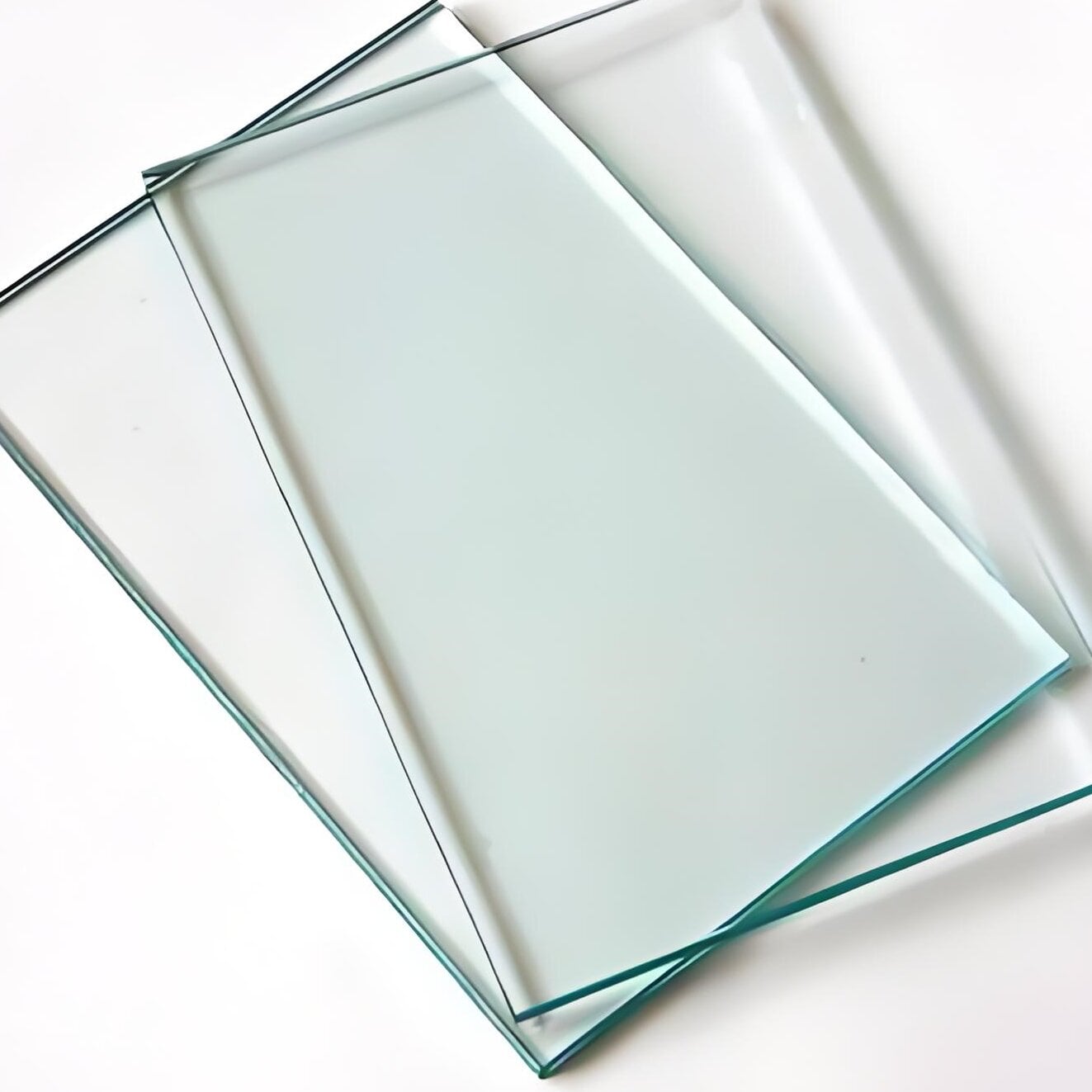
Cost-effective clear glass has become the dominant material choice across manufacturing, construction, automotive, and architectural sectors worldwide. The widespread adoption of cost-effective clear glass stems from its exceptional combination of optical clarity, durability, affordability, and versatile application potential. Organizations ranging from small fabricators to major industrial enterprises rely on cost-effective clear glass to balance performance requirements with budget constraints without sacrificing quality or transparency.
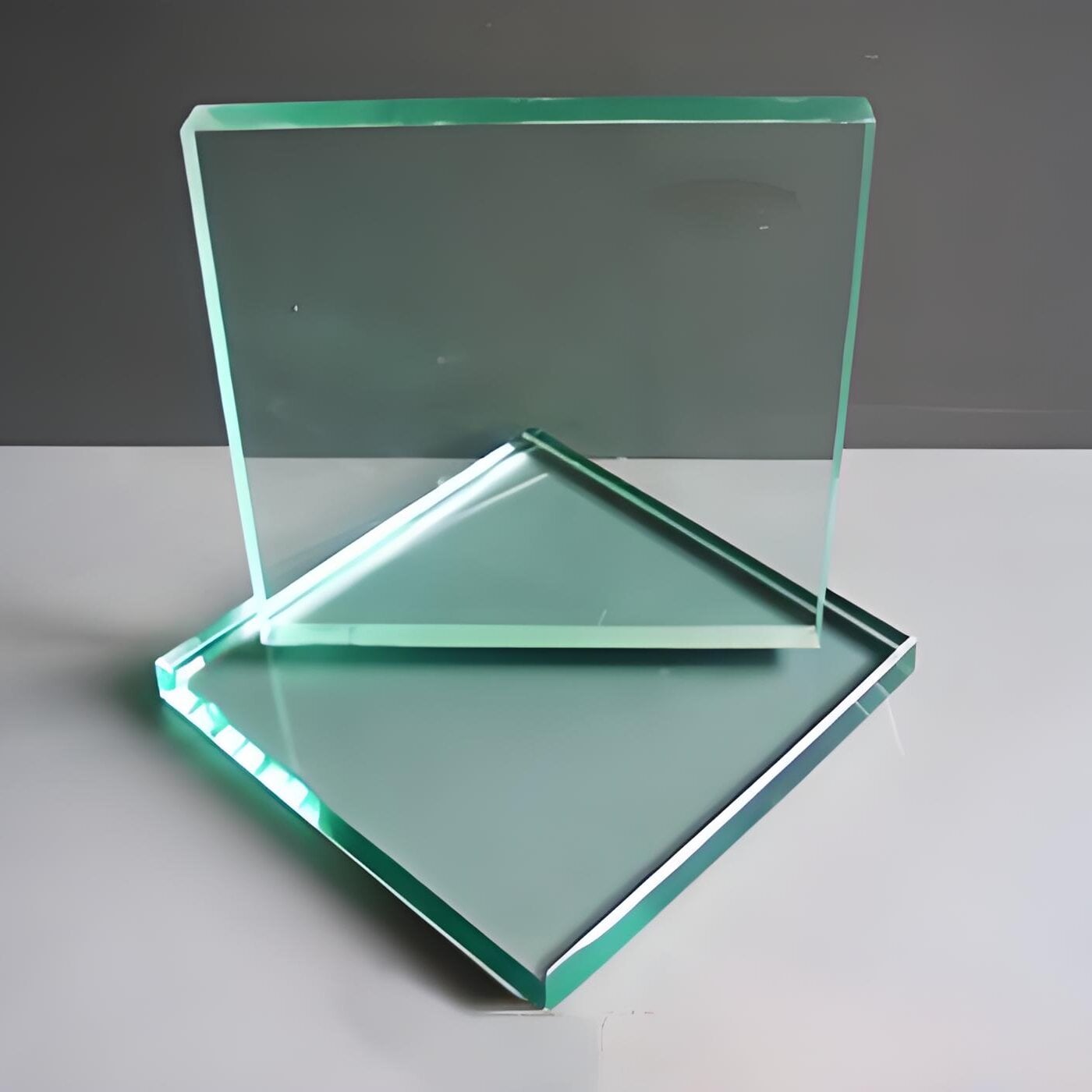
The popularity of cost-effective clear glass extends beyond simple cost savings. Industries choose cost-effective clear glass because it delivers consistent optical performance, thermal stability, and structural reliability across diverse environmental conditions. Whether used in storefront windows, protective barriers, automotive glazing, or industrial equipment housings, cost-effective clear glass meets demanding specifications while maintaining economic viability for manufacturers and end-users alike.
Economic Advantages of Cost-Effective Clear Glass
Pricing Efficiency and Market Competitiveness
Cost-effective clear glass significantly reduces material expenses in manufacturing and construction projects without compromising quality standards. The transparent nature of cost-effective clear glass allows manufacturers to inspect internal components and processes, eliminating unnecessary secondary inspection equipment. When purchasing cost-effective clear glass in bulk quantities, suppliers offer volume discounts that further improve project economics, making it the rational choice for cost-conscious operations managing tight budgets.
Long-Term Value and Durability
Although cost-effective clear glass carries a lower purchase price than specialty glass variants, its durability extends service life significantly. Cost-effective clear glass resists environmental degradation, maintains optical clarity over decades, and requires minimal maintenance intervention. Organizations investing in cost-effective clear glass benefit from reduced replacement cycles, lower maintenance labor costs, and predictable lifecycle expenses that justify the initial material selection across long operational periods.
Industry-Specific Applications of Cost-Effective Clear Glass
Automotive and Transportation Sectors
The automotive industry standardizes cost-effective clear glass for windshields, windows, and protective panels due to its optical transparency and impact resistance. Vehicle manufacturers specify cost-effective clear glass because it maintains clarity during temperature fluctuations, resists UV degradation, and provides consistent structural performance under stress conditions. Cost-effective clear glass also simplifies logistics by offering a universal glazing solution across diverse vehicle platforms, reducing inventory complexity and supplier management burden.
Architecture and Construction Applications
Architects and construction professionals select cost-effective clear glass for commercial facades, interior partitions, skylights, and environmental protection barriers. Cost-effective clear glass enables natural light penetration that reduces artificial lighting demands, lowering energy consumption and operational costs. The transparency of cost-effective clear glass creates open, visually connected spaces while maintaining structural integrity and weather protection, making it ideal for modern building designs that emphasize sustainability and cost management.
Quality Standards and Selection Factors
Manufacturing Standards and Certifications
Cost-effective clear glass meets internationally recognized quality standards including ISO certifications, automotive safety specifications, and architectural performance requirements. Manufacturers producing cost-effective clear glass implement rigorous quality control processes ensuring consistent thickness tolerances, optical uniformity, and mechanical properties. Cost-effective clear glass undergoes testing for edge strength, thermal shock resistance, and impact performance, confirming its suitability for regulated applications in pharmaceuticals, food processing, and safety-critical environments.
Selection Criteria for Different Applications
Organizations evaluating cost-effective clear glass should assess thickness requirements, which typically range from 2mm to 19mm depending on structural loads and safety factors. Cost-effective clear glass selection should account for thermal cycling exposure, chemical contact potential, and UV radiation intensity in specific application environments. Professionals comparing cost-effective clear glass options should verify supplier certifications, request material test reports, and confirm dimensional accuracy specifications before ordering large quantities for time-sensitive production schedules.
FAQ
Why is cost-effective clear glass preferred over tinted or coated alternatives?
Cost-effective clear glass offers superior optical clarity without specialty coatings or tinting processes that increase manufacturing complexity and material costs. Tinted and coated glass variants restrict light transmission, require specialized handling procedures, and generate higher waste during fabrication. Cost-effective clear glass delivers excellent performance without these limitations, making it the economical choice for applications prioritizing light transmission and production efficiency.
What thickness of cost-effective clear glass is suitable for my application?
Cost-effective clear glass thickness depends on load requirements, environmental exposure, and safety standards applicable to your industry. Light-duty interior partitions typically use 3mm to 6mm cost-effective clear glass, while structural glazing and exterior applications require 8mm to 12mm thickness for strength. Heavy industrial equipment and high-impact environments may demand 15mm to 19mm cost-effective clear glass for maximum durability. Consulting engineering specifications and supplier recommendations ensures proper thickness selection for reliable performance.
Does cost-effective clear glass require special handling or maintenance?
Cost-effective clear glass requires minimal maintenance compared to specialty glass types, needing only routine cleaning with standard glass cleaners and soft cloths to maintain optical clarity. Edge protection during storage and transportation prevents chipping, which is the primary handling consideration for cost-effective clear glass. Regular inspection for thermal stress cracks or impact damage helps identify potential failures early, but cost-effective clear glass generally requires no special chemical treatments, coatings, or protective interventions during normal service life.