EN
EN

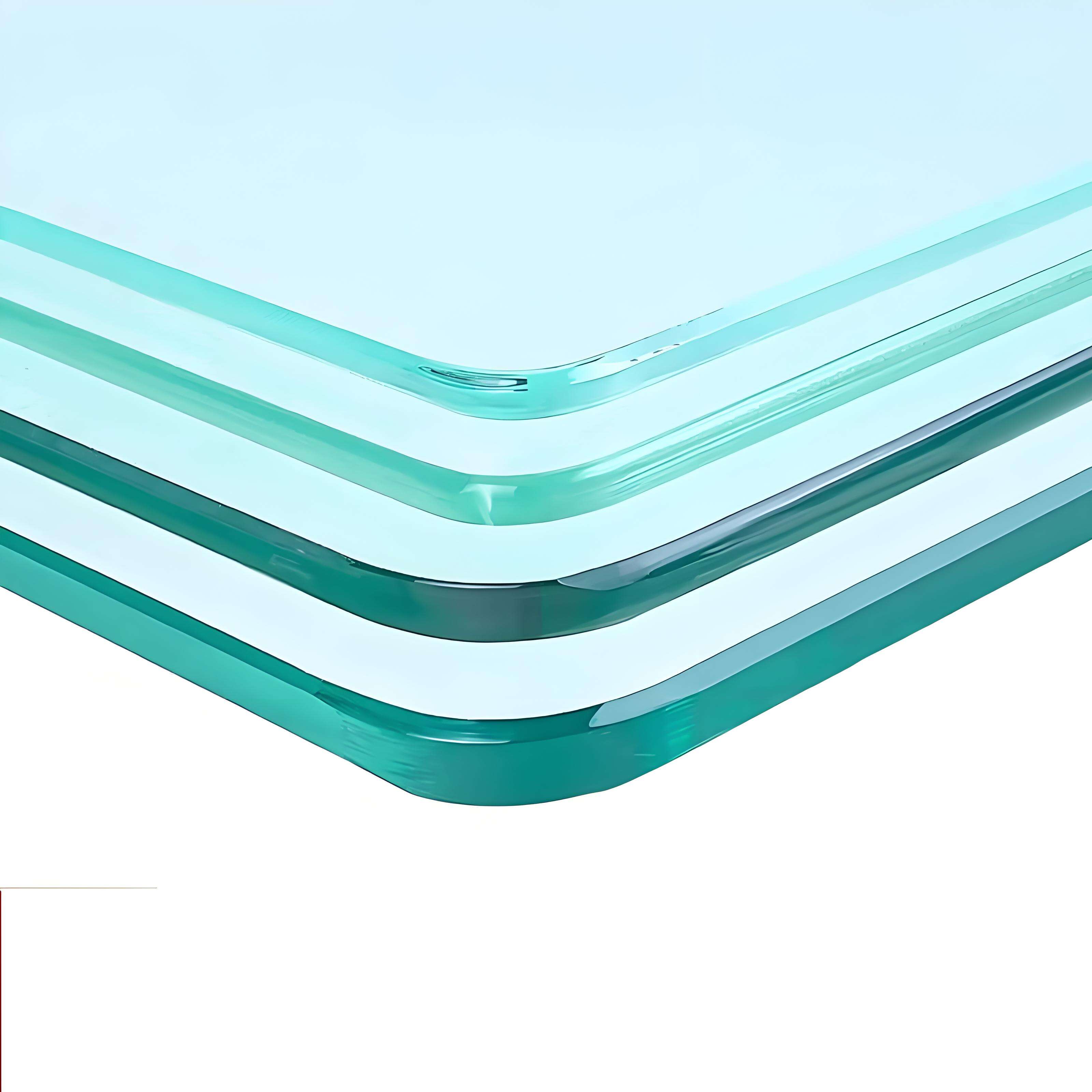
Commercial building design has evolved significantly over the past decade, with architects and engineers increasingly prioritizing safety, energy efficiency, and aesthetic appeal. Among the various glazing solutions available, laminated glass has emerged as the preferred choice for commercial spaces due to its exceptional performance characteristics and versatility. This advanced glazing technology combines multiple glass layers with interlayer materials to create a robust, secure, and highly functional building component that addresses the complex demands of modern commercial construction.
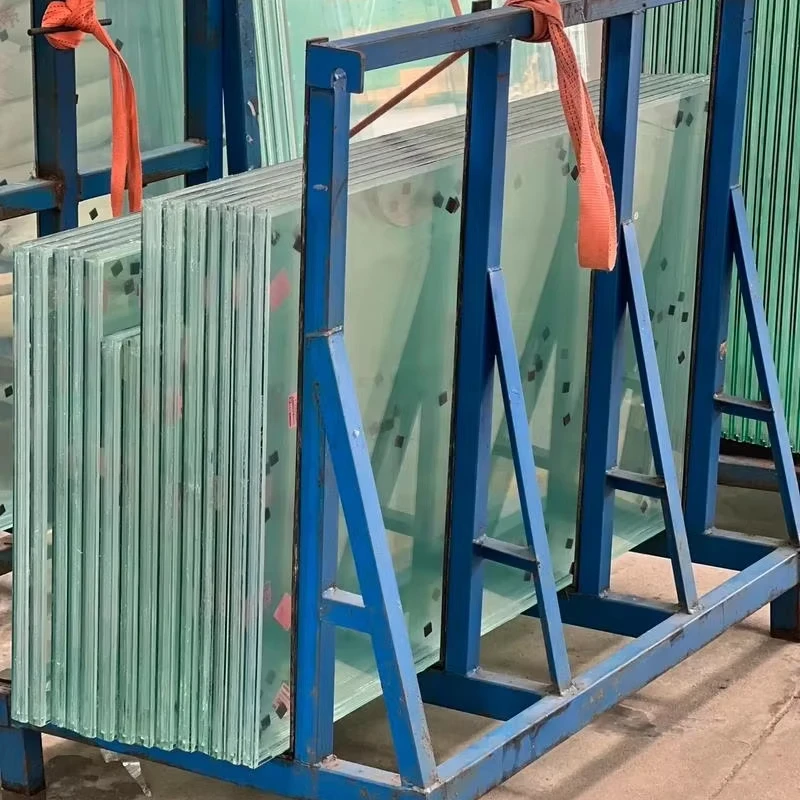
The construction industry has witnessed a fundamental shift toward glazing solutions that offer comprehensive protection while maintaining design flexibility. Commercial property developers and facility managers are increasingly recognizing that traditional glazing options often fall short of meeting stringent safety regulations and performance standards. This realization has driven widespread adoption of advanced glazing technologies that deliver superior protection against various environmental and security threats while contributing to overall building efficiency.
Enhanced Security Features of Advanced Glazing Systems
Impact Resistance and Break-Safe Technology
Modern commercial glazing systems incorporate sophisticated impact resistance mechanisms that significantly exceed traditional glass performance standards. The multi-layer construction creates a barrier system that maintains structural integrity even under extreme stress conditions. When subjected to forceful impacts, the glazing system deforms rather than shattering completely, preventing dangerous glass fragments from creating safety hazards for building occupants and pedestrians.
The break-safe technology embedded within these glazing systems represents a crucial advancement in commercial building safety protocols. Unlike conventional glazing that creates sharp, dangerous fragments upon breaking, advanced glazing maintains cohesion through specialized interlayer materials. This characteristic proves particularly valuable in high-traffic commercial environments where accidental impacts or deliberate attempts at forced entry could compromise building security and occupant safety.
Intrusion Deterrence Capabilities
Commercial properties face increasing security challenges that require robust protective measures beyond traditional security systems. Advanced glazing solutions provide an additional layer of protection against unauthorized access attempts by creating barriers that are extremely difficult to breach quickly or quietly. The time and effort required to penetrate these glazing systems often deter potential intruders and provide security personnel with adequate response time.
The construction of these security-enhanced glazing systems involves multiple protective layers that work synergistically to resist penetration attempts. Even when subjected to repeated impacts or cutting attempts, the glazing maintains its protective integrity far longer than conventional alternatives. This extended resistance time proves crucial for commercial facilities housing valuable assets or sensitive information that require enhanced protection levels.
Acoustic Performance and Sound Control
Noise Reduction in Urban Environments
Urban commercial properties face significant acoustic challenges from traffic noise, construction activities, and general city sounds that can negatively impact workplace productivity and comfort. Advanced glazing systems incorporate sound dampening technologies that dramatically reduce external noise transmission while maintaining visual transparency. The multi-layer construction creates an effective barrier against various sound frequencies, resulting in quieter, more comfortable interior environments.
The acoustic performance of these glazing systems stems from their ability to disrupt sound wave transmission through multiple interface layers. Each layer contributes to overall sound reduction by absorbing, reflecting, or dampening different frequency ranges. This comprehensive approach to acoustic control enables commercial spaces to maintain comfortable sound levels even in challenging urban locations where noise pollution could otherwise compromise occupant comfort and productivity.
Workplace Productivity Enhancement
Research consistently demonstrates the correlation between acoustic comfort and workplace performance, making sound control a critical consideration for commercial space design. laminated glass systems contribute significantly to creating optimal acoustic environments that support concentration, communication, and overall employee wellbeing. The reduction in background noise levels enables clearer communication during meetings and reduces fatigue associated with constant exposure to disruptive sounds.
The acoustic benefits extend beyond simple noise reduction to include improved speech intelligibility and reduced reverberation within commercial spaces. These factors combine to create environments that support various business activities, from quiet individual work to collaborative team meetings. The enhanced acoustic comfort contributes to employee satisfaction and can positively impact retention rates and overall business performance.
Thermal Performance and Energy Efficiency
Heat Transfer Control
Energy efficiency represents a paramount concern for commercial property owners seeking to minimize operational costs while meeting increasingly stringent environmental regulations. Advanced glazing systems provide superior thermal performance through sophisticated heat transfer control mechanisms that maintain comfortable interior temperatures with reduced HVAC system demands. The multi-layer construction creates thermal barriers that prevent unwanted heat gain during summer months and minimize heat loss during winter conditions.
The thermal performance characteristics of these glazing systems result from carefully engineered interlayer materials that possess excellent insulation properties. These materials create thermal breaks that interrupt heat transfer pathways while maintaining structural integrity and optical clarity. The improved thermal performance translates directly into reduced energy consumption and lower operational costs over the building's lifecycle.
Solar Heat Gain Management
Commercial buildings with extensive glazed facades face significant challenges related to solar heat gain, which can dramatically increase cooling costs and create uncomfortable interior conditions. Advanced glazing systems incorporate selective transmission properties that allow beneficial natural light while blocking excessive heat-generating infrared radiation. This selective filtering capability enables commercial spaces to maximize daylighting benefits without compromising thermal comfort or energy efficiency.
The solar control features of these glazing systems can be customized to address specific building orientations and local climate conditions. Different interlayer formulations provide varying levels of solar heat rejection while maintaining desired visible light transmission levels. This flexibility enables architects and engineers to optimize glazing performance for each specific application while maintaining design aesthetic requirements.
Fire Safety and Emergency Protection
Fire-Resistant Glazing Properties
Fire safety represents a critical consideration for commercial building design, with glazing systems playing an essential role in overall fire protection strategies. Advanced glazing incorporates fire-resistant interlayer materials that maintain their protective properties even when exposed to extreme temperatures. These materials prevent the glazing from failing catastrophically during fire events, helping to maintain compartmentalization and prevent fire spread between building sections.
The fire-resistant properties of these glazing systems extend beyond simple heat resistance to include protection against smoke transmission and structural failure. During fire events, the glazing maintains its integrity long enough to allow safe evacuation while preventing the rapid spread of flames and toxic gases. This extended protection time proves crucial for high-occupancy commercial buildings where evacuation procedures require additional time to complete safely.
Emergency Egress Considerations
Emergency situations require glazing systems that balance security with emergency egress requirements, creating challenges that advanced glazing technologies address through innovative design approaches. These systems can incorporate breakaway sections or specialized hardware that allows emergency access while maintaining day-to-day security requirements. The ability to quickly create emergency exits when needed while preventing unauthorized access during normal operations represents a significant advancement in commercial building safety design.
The emergency egress capabilities of these glazing systems often integrate with building automation systems to provide coordinated response capabilities during various emergency scenarios. Automated systems can modify glazing properties or unlock emergency exit points based on fire alarm activation or security system inputs. This integration ensures that protective glazing enhances rather than compromises overall building safety systems.
Design Flexibility and Aesthetic Integration
Architectural Design Options
Modern commercial architecture demands glazing solutions that provide exceptional performance without compromising design vision or aesthetic appeal. Advanced glazing systems offer remarkable design flexibility through various tinting options, surface treatments, and structural configurations that complement diverse architectural styles. The ability to customize both functional and aesthetic properties enables architects to achieve their design goals while meeting performance requirements.
The manufacturing processes for these glazing systems accommodate complex shapes, curves, and custom dimensions that support innovative architectural concepts. Large-format installations become feasible without compromising structural integrity or performance characteristics. This design flexibility enables the creation of dramatic glazed facades that serve as architectural focal points while providing comprehensive protection and energy efficiency benefits.
Integration with Building Systems
Contemporary commercial buildings require glazing systems that integrate seamlessly with various building automation and control systems to optimize overall performance. Advanced glazing can incorporate sensors, switching capabilities, and communication interfaces that enable dynamic response to changing environmental conditions. These smart glazing features contribute to overall building intelligence while maintaining the fundamental protective and efficiency benefits.
The systems integration capabilities extend to compatibility with existing building management platforms, allowing centralized control and monitoring of glazing performance parameters. Real-time data collection enables proactive maintenance scheduling and performance optimization while providing valuable insights into building energy consumption patterns. This integration capability ensures that glazing systems contribute to overall building efficiency goals rather than operating as isolated components.
Long-Term Performance and Maintenance
Durability and Lifecycle Costs
Commercial property owners require glazing solutions that deliver consistent performance over extended periods while minimizing maintenance requirements and replacement costs. Advanced glazing systems demonstrate exceptional durability through resistance to environmental degradation, mechanical wear, and performance deterioration over time. The robust construction and high-quality materials ensure that initial performance characteristics remain stable throughout the glazing system's operational lifetime.
The lifecycle cost advantages of these glazing systems become apparent through reduced maintenance requirements, extended replacement intervals, and consistent energy performance over time. While initial installation costs may exceed conventional glazing alternatives, the long-term operational savings and performance benefits provide compelling return on investment calculations. Property owners benefit from predictable performance and reduced operational disruptions associated with glazing maintenance and replacement activities.
Warranty and Support Considerations
Professional glazing manufacturers provide comprehensive warranty coverage and technical support services that ensure long-term performance and customer satisfaction. These warranty programs typically cover both material defects and performance degradation, providing property owners with confidence in their glazing investment. The availability of technical support and replacement parts ensures that any issues can be addressed quickly without compromising building performance or security.
The support infrastructure for these glazing systems includes training programs for installation and maintenance personnel, ensuring that proper procedures are followed throughout the glazing system's lifecycle. Regular inspection and maintenance protocols help identify potential issues before they compromise performance while extending overall system life. This comprehensive support approach contributes to the overall value proposition and long-term success of advanced glazing installations.
FAQ
What makes laminated glass superior to tempered glass for commercial applications
Laminated glass provides superior security and safety benefits compared to tempered glass through its ability to remain intact when broken, creating a barrier effect that prevents unauthorized access and eliminates dangerous glass fragments. While tempered glass shatters into small pieces when broken, laminated glass maintains structural cohesion through its interlayer materials, making it ideal for commercial applications requiring enhanced security, sound control, and weather protection. The multi-layer construction also provides better acoustic performance and can incorporate additional functional features like UV protection and solar control.
How does laminated glass contribute to LEED certification and green building standards
Laminated glass systems contribute significantly to LEED certification through multiple credit categories including energy performance, indoor environmental quality, and materials selection. The enhanced thermal performance reduces building energy consumption while improved acoustic control enhances occupant comfort and productivity. Many laminated glass products incorporate recycled content and are manufactured using sustainable processes that support LEED materials credits. The durability and long lifecycle of these systems also contribute to waste reduction goals and overall building sustainability performance.
What are the typical cost considerations for laminated glass installations in commercial projects
Initial costs for laminated glass installations typically exceed conventional glazing by 20-40 percent, but lifecycle cost analysis demonstrates significant long-term value through reduced energy costs, lower maintenance requirements, and extended replacement intervals. The enhanced security features can also reduce insurance premiums and security system costs while improved energy performance provides ongoing operational savings. Most commercial projects achieve positive return on investment within 5-8 years through combined operational savings and reduced maintenance expenses, making laminated glass an economically sound long-term investment.
Can laminated glass be retrofitted into existing commercial building facades
Retrofitting laminated glass into existing commercial facades is often feasible but requires careful structural analysis and potentially frame modifications to accommodate the increased weight and thickness of laminated systems. Professional assessment of existing structural capacity and glazing support systems is essential to ensure safe and effective installation. Many retrofit projects can be completed during normal building operations with minimal disruption, and the performance improvements often justify the investment costs through enhanced security, energy efficiency, and occupant comfort benefits.
Table of Contents
- Enhanced Security Features of Advanced Glazing Systems
- Acoustic Performance and Sound Control
- Thermal Performance and Energy Efficiency
- Fire Safety and Emergency Protection
- Design Flexibility and Aesthetic Integration
- Long-Term Performance and Maintenance
-
FAQ
- What makes laminated glass superior to tempered glass for commercial applications
- How does laminated glass contribute to LEED certification and green building standards
- What are the typical cost considerations for laminated glass installations in commercial projects
- Can laminated glass be retrofitted into existing commercial building facades