EN
EN

When sudden impact occurs, the difference between ordinary glass and laminated glass becomes immediately clear. Laminated glass is engineered to absorb shock, resist penetration, and hold broken fragments firmly in place rather than scattering dangerous shards across a space. For architects, builders, and facility managers selecting glazing for high-risk environments, understanding the science behind laminated glass safety is not optional — it is foundational to responsible design.
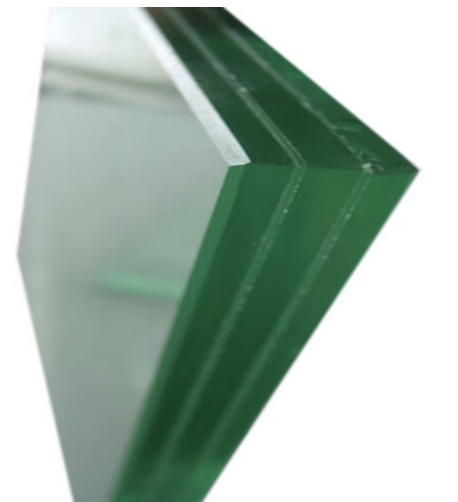
High-quality laminated glass achieves its exceptional impact resistance through a carefully engineered combination of materials, bonding technology, and structural composition. Unlike standard annealed glass or even basic tempered glass, laminated glass integrates a polymer interlayer that transforms the entire panel into a unified, resilient system. This article explains exactly what properties make laminated glass superbly safe upon sudden impact, why those properties matter in real applications, and what distinguishes superior laminated glass from ordinary alternatives.
The Interlayer: Core of Laminated Glass Safety
How the Interlayer Holds Everything Together
The defining feature of laminated glass is its interlayer — a thin but highly tenacious polymer film bonded between two or more panes of glass under heat and pressure. The most widely used interlayer material is polyvinyl butyral, commonly known as PVB, though ethylene-vinyl acetate and ionoplast polymers are also used in specialized laminated glass applications. When an impact strikes laminated glass, the interlayer stretches and absorbs a significant portion of the kinetic energy rather than allowing it to pass directly into the glass substrate. This energy dissipation is what distinguishes laminated glass from non-laminated alternatives in high-stress scenarios.
Even when the glass layers in a laminated glass panel crack or fracture under severe impact, the interlayer continues to hold the broken pieces together. This behavior is what safety engineers describe as 'retained glazing' — the laminated glass panel remains largely intact as a barrier even after fracture. For spaces like staircases, bathroom enclosures, and overhead glazing, this retained-barrier quality of laminated glass is critical because it prevents sudden collapse or penetration that could cause serious injury.
Interlayer Thickness and Its Role in Impact Performance
Not all laminated glass performs equally, and interlayer thickness is one of the most influential variables. A thicker interlayer in laminated glass provides greater energy absorption capacity and higher resistance to penetration. Standard laminated glass panels often use a 0.38 mm interlayer, while high-performance laminated glass designed for security or structural applications may use interlayers of 0.76 mm or thicker. The selection of interlayer thickness in laminated glass should reflect the specific impact risks of the intended environment, from accidental human collision to deliberate forced entry.
Glass Composition and Structural Engineering
Why Tempered Glass Enhances Laminated Glass Safety
High-quality laminated glass frequently incorporates tempered glass as one or both of its outer layers rather than using standard annealed glass. Tempered glass is heat-treated to develop internal compressive stress, which makes it significantly stronger than untempered glass when subject to bending forces or thermal shock. When tempered glass is used in laminated glass construction, the resulting panel combines the surface hardness and strength of tempered glass with the fragment-retention properties of the laminated glass interlayer. This dual-layer approach elevates laminated glass performance well beyond what either material could achieve alone.
Double-tempered laminated glass, which uses tempered glass on both outer faces of the laminated glass assembly, represents the most resilient configuration for environments with elevated impact risk. The outer tempered layers resist initial impact more effectively, while the laminated glass interlayer manages residual energy and prevents any breach. For bathroom shower enclosures and open staircases, double-tempered laminated glass provides users with both functional transparency and a reliable safety margin that standard glass simply cannot offer.
Glass Thickness Combinations in Laminated Glass Panels
The total thickness of a laminated glass panel directly influences its ability to resist sudden impact. Thicker laminated glass panels distribute impact energy across a greater mass, reducing the likelihood of full penetration. Common laminated glass configurations for architectural applications include 5+5 mm, 6+6 mm, and 8+8 mm assemblies, where each number refers to the thickness of a single glass layer within the laminated glass panel. Selecting the correct laminated glass thickness configuration requires consideration of panel size, load conditions, and whether the laminated glass installation is vertical, inclined, or overhead.
Impact Safety in Real Application Environments
Laminated Glass in Bathrooms and Wet Areas
Bathrooms present a uniquely demanding environment for laminated glass because of the combination of thermal cycling, humidity, and the proximity of hard surfaces that could cause impact. A person slipping or falling against laminated glass in a shower enclosure creates a sudden, high-force impact that standard glass would fail under catastrophically. High-quality laminated glass, especially double-tempered laminated glass with robust interlayer bonding, resists this type of impact without shattering into loose fragments. The result is a laminated glass installation that protects occupants during an accident rather than compounding the danger with sharp debris.
Laminated Glass on Staircases and Elevated Platforms
Staircase balustrades and railing panels constructed from laminated glass must withstand both lateral impact forces and the psychological requirement of visible structural integrity. Building codes in many jurisdictions now specify laminated glass for these locations precisely because of the retained-barrier behavior that laminated glass delivers after impact. Even when a laminated glass panel in a staircase balustrade is cracked by a significant collision, the interlayer ensures the laminated glass panel stays in place rather than falling away and creating a fall hazard. This combination of visual clarity and reliable post-impact containment makes laminated glass the preferred glazing solution for architectural staircase design.
FAQ
Does laminated glass completely prevent breakage upon impact?
Laminated glass is not indestructible, but its design ensures that even when the glass layers break, the interlayer holds the fragments together. This means laminated glass prevents dangerous shard scattering and maintains a barrier function after impact, which is the critical safety advantage it provides.
Is laminated glass suitable for both indoor and outdoor applications?
Yes, laminated glass is widely used in both indoor and outdoor settings. Indoor applications include bathroom enclosures, staircases, and interior partitions, while outdoor laminated glass is used in facades, canopies, and skylights. The interlayer formulation in laminated glass can be selected based on UV resistance and moisture tolerance requirements.
How does laminated glass differ from tempered glass in safety performance?
Tempered glass is stronger than standard glass but shatters into small granular pieces upon failure. Laminated glass, by contrast, retains its fragments within the interlayer after breakage. For applications where post-breakage containment is essential — such as overhead glazing or staircase balustrades — laminated glass offers a meaningfully higher level of occupant safety than tempered glass alone.