EN
EN

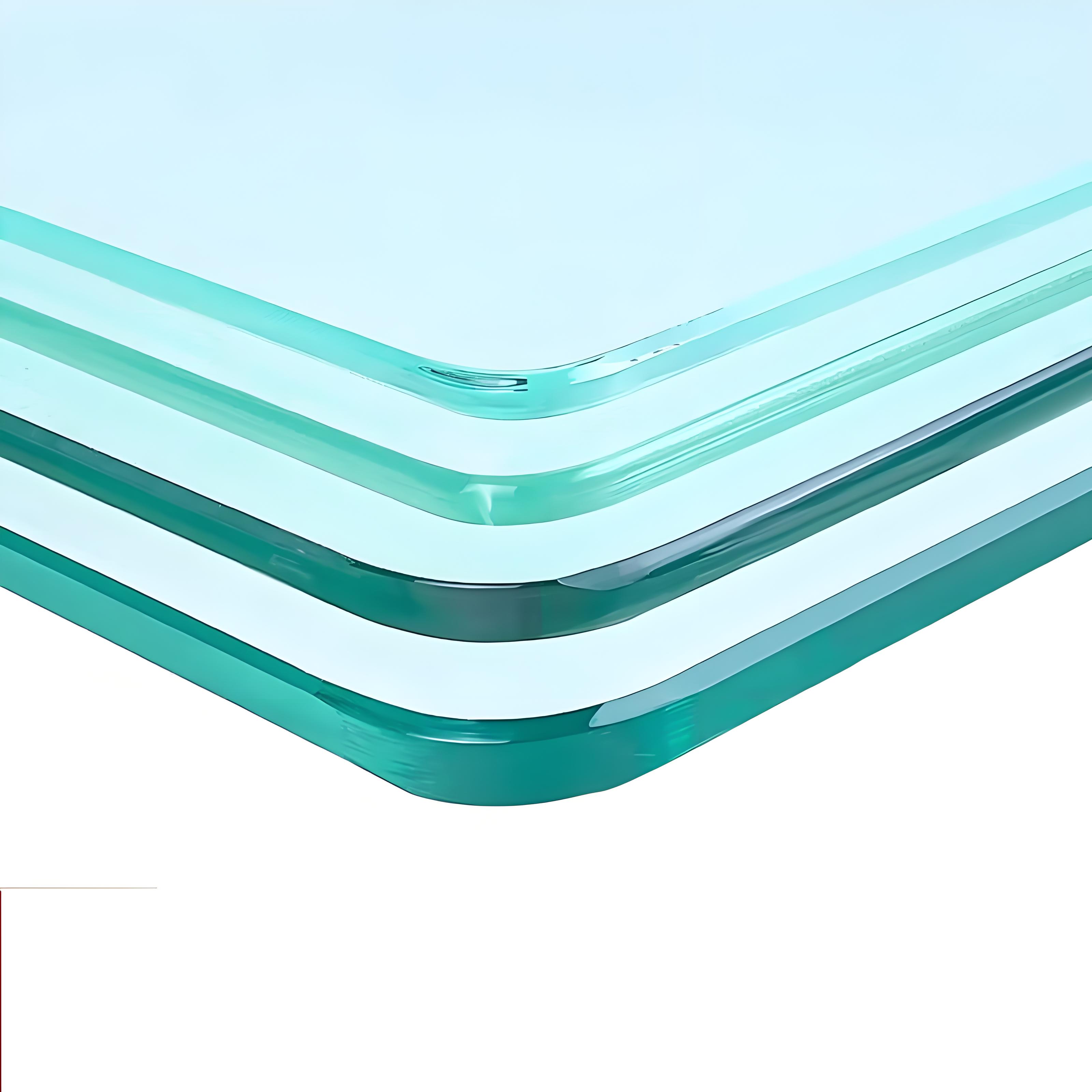
Selecting the right laminated glass for soundproofing and security is one of the most critical decisions in modern construction and architectural design. Whether you are outfitting a commercial building, a residential property, or a high-security facility, laminated glass plays a central role in protecting occupants and controlling noise. The challenge lies in understanding what makes one type of laminated glass more suitable than another for your specific application.
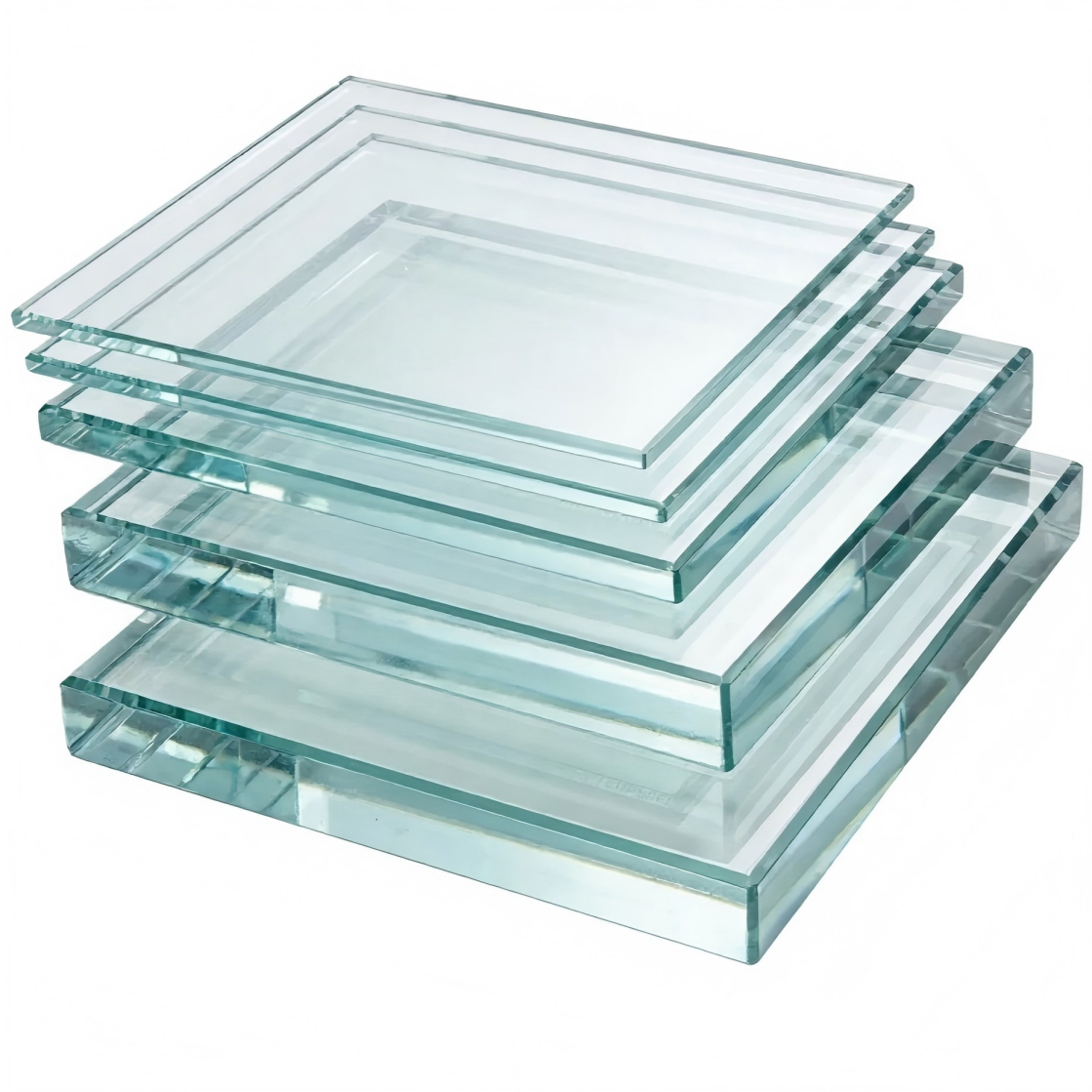
Laminated glass is engineered by bonding two or more glass panes together with an interlayer, most commonly PVB (polyvinyl butyral), under heat and pressure. This construction gives laminated glass its signature performance advantages over standard glass: it holds together when broken, resists penetration, and dampens sound transmission. However, not all laminated glass products are equal, and choosing the right one requires evaluating interlayer type, glass thickness, layering configuration, and performance certifications. This guide walks you through the key selection criteria so you can make a confident and well-informed decision.
Understanding Laminated Glass Interlayer Options
PVB Interlayer in Laminated Glass
The PVB interlayer is the most widely used bonding material in laminated glass construction. PVB laminated glass offers a strong balance of acoustic attenuation, optical clarity, and structural integrity. When laminated glass with a PVB interlayer is fractured, the interlayer holds the shards in place, preventing dangerous breakage and maintaining a barrier against intrusion. For soundproofing applications, PVB laminated glass is particularly effective because the viscoelastic properties of the interlayer absorb and dissipate sound wave energy before it passes through the glass assembly.
Thicker PVB interlayers in laminated glass deliver higher acoustic performance. A standard laminated glass panel may use a 0.38 mm PVB film, but for demanding soundproofing environments such as studios, hospitals, or urban facades, laminated glass with 0.76 mm or even 1.52 mm PVB interlayers is recommended. Choosing laminated glass with the correct interlayer thickness is therefore a foundational step in meeting your acoustic goals.
Multi-Layer Laminated Glass for Enhanced Protection
For security-focused applications, multi-layer laminated glass configurations provide a significantly higher level of resistance. Multi-layer laminated glass combines three, four, or more glass plies bonded with multiple interlayer films. This approach creates laminated glass that can withstand repeated impact, forced entry attempts, and even ballistic threats depending on the specification. When evaluating laminated glass for a security application, always ask for the relevant EN, ASTM, or BS certification rating that applies to the protection class you need. Certified laminated glass gives you objective evidence that the product will perform as claimed under real attack conditions.
Key Thickness and Configuration Factors
How Thickness Affects Laminated Glass Performance
The overall thickness of laminated glass directly influences both its soundproofing capability and its security rating. Thicker laminated glass panels present greater mass and rigidity, which reduces sound transmission across a wider frequency range. For standard residential soundproofing, laminated glass in the range of 6.38 mm to 8.76 mm is typically adequate. For commercial facades in high-noise environments, laminated glass of 10.76 mm or 12.76 mm may be necessary to achieve the target sound reduction index (Rw) value. Always verify the published acoustic data for any laminated glass product before specification, since marketing claims without test data should be treated with caution.
From a security perspective, the thickness of laminated glass determines the time and effort required to defeat it. Laminated glass rated to P2A or P4A classification under EN 356 uses progressively thicker configurations to resist hammer and axe attacks. Specifying laminated glass that meets your required protection class ensures that you are not under- or over-engineering the glazing solution, which matters both for budget management and for long-term reliability.
Single-Layer Versus Multi-Layer Laminated Glass
Single-layer laminated glass, typically two glass plies with one interlayer, suits the majority of standard soundproofing and entry-level security applications. It is lighter, easier to install, and less costly than multi-layer laminated glass, making it practical for large-area facade glazing where moderate performance levels are acceptable. Multi-layer laminated glass, by contrast, is the product of choice when the application demands elevated resistance to break-in, blast pressure, or severe acoustic environments. Understanding the performance gap between single-layer and multi-layer laminated glass helps you allocate budget where it will have the greatest impact on building safety and comfort.
Selection Criteria for Specific Applications
Laminated Glass for Soundproofing Environments
When choosing laminated glass primarily for soundproofing, the most important metric is the Sound Reduction Index, expressed as Rw in decibels. Higher Rw values indicate better acoustic performance from the laminated glass assembly. Asymmetric laminated glass constructions, where the two glass plies have different thicknesses, are particularly effective because they break up the coincidence effect that reduces performance at certain frequencies. For example, a 5 mm plus 6 mm laminated glass assembly often outperforms a symmetric 6 mm plus 6 mm laminated glass assembly at mid-range frequencies critical to speech intelligibility. Specifying laminated glass with test-verified Rw data ensures predictable in-use performance.
Laminated Glass for Security and Safety Glazing
Security laminated glass selection depends on a clear understanding of the threat model. Burglary-resistant laminated glass is rated according to the time and tools needed to penetrate it, while blast-resistant laminated glass is evaluated against pressure and impulse loads. For buildings in urban commercial zones, laminated glass with at least P2A resistance is a sensible baseline, providing meaningful deterrence against opportunistic break-in. For higher-risk environments, laminated glass rated P6B or above offers substantially greater protection. In all cases, security laminated glass should be installed with appropriate framing systems, since even the best laminated glass will fail prematurely if the surrounding frame cannot transfer loads effectively.
FAQ
What is the difference between single-layer and multi-layer laminated glass?
Single-layer laminated glass consists of two glass plies bonded by one interlayer, offering standard soundproofing and entry-level security. Multi-layer laminated glass uses three or more plies with multiple interlayers, providing higher resistance to impact, forced entry, and severe acoustic environments. The right choice depends on the performance level required by your specific application.
How do I verify the soundproofing performance of laminated glass?
Ask the laminated glass supplier for laboratory test reports showing the Sound Reduction Index (Rw) value for the specific product configuration you are considering. Reputable laminated glass manufacturers conduct third-party acoustic tests and can provide certified data sheets. Avoid relying on estimated or calculated values without supporting test evidence.
Can laminated glass be used for both soundproofing and security at the same time?
Yes, laminated glass can be engineered to deliver both soundproofing and security performance simultaneously. Multi-layer PVB laminated glass with appropriate thickness and interlayer selection can achieve meaningful Rw values while also meeting recognized security classifications. Specifying laminated glass with dual-performance certification is the most reliable way to confirm that both requirements are satisfied in a single glazing solution.