EN
EN

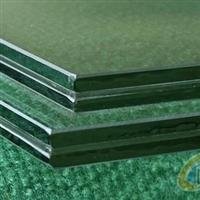
Tempered glass has become one of the most trusted and widely used materials in modern architectural design. From towering curtain walls to sleek frameless balcony railings, tempered glass delivers a combination of performance, safety, and visual clarity that few other glazing materials can match. As architects and developers push boundaries with bold, open, and light-filled structures, the demand for tempered glass continues to grow at a remarkable pace across commercial and residential projects alike.
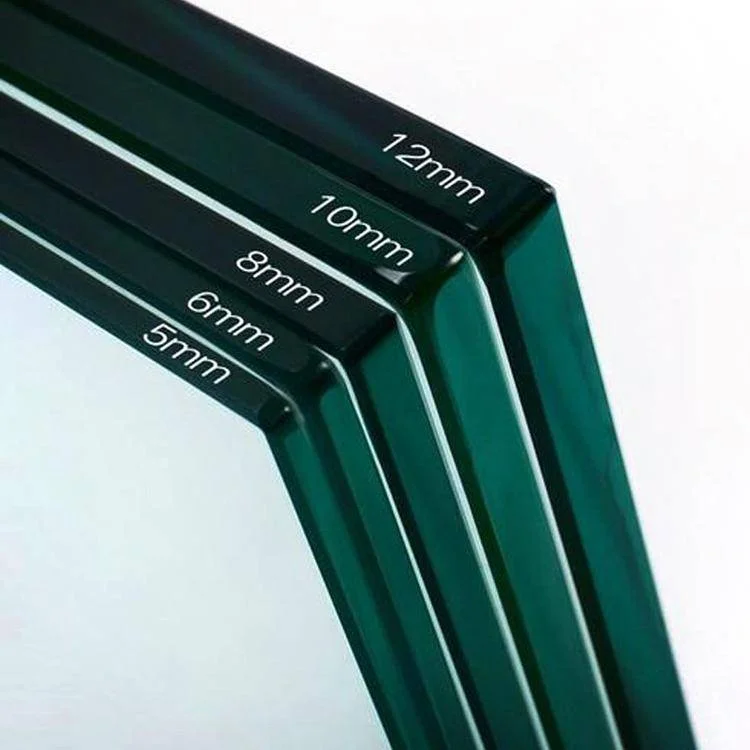
Understanding why tempered glass holds such a dominant position in modern architecture requires a closer look at the specific advantages it brings to structural and aesthetic applications. Tempered glass is produced through a controlled thermal process that dramatically increases its mechanical strength compared to standard float glass. This process transforms ordinary glass into a high-performance building material that meets the rigorous safety standards demanded in today's construction environment. Whether specified in 6mm, 8mm, 10mm, or 12mm thicknesses, tempered glass offers engineers and designers a reliable solution for virtually any architectural glazing challenge.
Superior Safety and Structural Strength
How Tempered Glass Protects Building Occupants
The most critical advantage of tempered glass in architectural applications is its exceptional safety profile. During the tempering process, the glass is heated to extremely high temperatures and then rapidly cooled, creating a surface compression that makes tempered glass approximately four to five times stronger than untreated glass of the same thickness. This increased strength means tempered glass can withstand significant mechanical stress, wind pressure, and thermal fluctuations without fracturing under normal operating conditions.
When tempered glass does break under extreme force, it shatters into small, rounded fragments rather than large jagged shards. This behavior, known as safe breakage, significantly reduces the risk of serious injury to building occupants and bystanders. For applications such as glass balcony railings, staircase enclosures, and floor-to-ceiling glazing, this safety characteristic makes tempered glass the preferred choice for compliance with international building codes and safety regulations. Architects specify tempered glass precisely because it aligns occupant protection with structural requirements.
Resistance to Thermal and Wind Load Stress
Modern buildings face constant environmental stress. Tempered glass is engineered to resist rapid temperature changes that would cause standard glass to crack or fail. In curtain wall systems and external facade panels, tempered glass handles the thermal gradients between sun-exposed and shaded areas without compromising its integrity. Additionally, tempered glass used in high-rise facades must withstand considerable wind load pressure, and its superior strength makes it suitable for these demanding structural scenarios where performance cannot be compromised.
Design Flexibility and Aesthetic Appeal
Enabling Open, Light-Filled Architectural Spaces
Beyond safety, tempered glass brings extraordinary design freedom to contemporary architecture. Its optical clarity allows natural light to penetrate deep into building interiors, reducing reliance on artificial lighting and creating visually expansive spaces that feel connected to the outdoors. Frameless glass systems using tempered glass panels create minimal visual obstruction, making them ideal for premium residential balconies, commercial storefronts, office partitions, and observation decks. The clean lines enabled by tempered glass support the minimalist and transparent aesthetic that defines much of today's landmark architecture.
Tempered glass can be produced in a wide range of thicknesses and dimensions, giving specifiers the flexibility to match structural requirements with design intent. Whether used as a single lite or as part of a laminated or insulated unit, tempered glass adapts to diverse application demands. Its compatibility with coatings, tints, and surface treatments further extends its design versatility, allowing tempered glass to perform beautifully in both fully transparent and partially opaque architectural contexts. This flexibility is one of the reasons tempered glass remains a go-to material for innovative building envelopes worldwide.
Supporting Frameless and Minimal-Profile Systems
The structural strength of tempered glass makes it uniquely suited for frameless glazing systems where glass must bear loads without the support of heavy metal frames. In frameless glass balcony railings, for example, tempered glass panels are fixed only at the base or with minimal point fixings, relying entirely on the inherent stiffness and strength of the tempered glass to provide a safe and stable barrier. This capability opens up a world of architectural possibilities that standard glass simply cannot deliver, reinforcing why tempered glass is so widely specified in premium and high-specification construction projects.
Durability, Maintenance, and Long-Term Value
Long Service Life in Demanding Environments
Tempered glass is inherently resistant to scratches, surface abrasion, and chemical exposure compared to many alternative glazing materials. Its hard surface maintains optical clarity over many years of service, even in harsh outdoor environments where dirt, moisture, and UV exposure are constant factors. For building owners and developers, specifying tempered glass means lower lifecycle maintenance costs and a longer service period before replacement is necessary. This durability makes tempered glass a sound investment for both new construction and renovation projects where long-term performance matters.
Energy Efficiency Through Advanced Glazing Integration
Tempered glass integrates seamlessly with low-emissivity coatings and insulated glass unit configurations that significantly improve a building's thermal performance. When tempered glass is used as part of a double or triple glazing system, it contributes to reducing heat transfer across the building envelope, helping maintain comfortable interior temperatures and lowering energy consumption. As green building certifications become increasingly important for commercial developments, the energy performance potential of tempered glass makes it a strategic material choice for architects committed to sustainable design outcomes. Tempered glass supports both aesthetic ambition and environmental responsibility in a single, well-engineered product.
The combination of safety, design flexibility, and durability makes tempered glass an unmatchable choice for modern architectural applications. As buildings evolve to become more transparent, open, and visually dynamic, tempered glass will continue to play a central role in defining what contemporary architecture looks and feels like. Professionals who specify tempered glass are choosing a material that consistently delivers on both performance and visual promise across every scale of project.
FAQ
What thicknesses of tempered glass are commonly used in architectural projects?
Tempered glass for architectural applications is commonly available in 6mm, 8mm, 10mm, and 12mm thicknesses. The appropriate thickness of tempered glass depends on factors such as panel size, structural load requirements, and the specific application, whether for curtain walls, balcony railings, or interior partitions.
Is tempered glass suitable for outdoor and high-rise facade applications?
Yes, tempered glass is highly suitable for outdoor and high-rise facade applications. Its resistance to thermal stress, wind load, and impact makes tempered glass one of the most reliable choices for external glazing in commercial and residential high-rise buildings. Tempered glass meets the safety and structural performance standards required by most international building codes for these demanding environments.
Can tempered glass be cut or drilled after the tempering process?
No, tempered glass cannot be cut, drilled, or reworked after the tempering process has been completed. Any required holes, cutouts, or edge work must be carried out on the glass before tempering. Attempting to modify tempered glass after processing will cause it to shatter. This is why all dimensions and specifications for tempered glass must be finalized and confirmed prior to production.