EN
EN

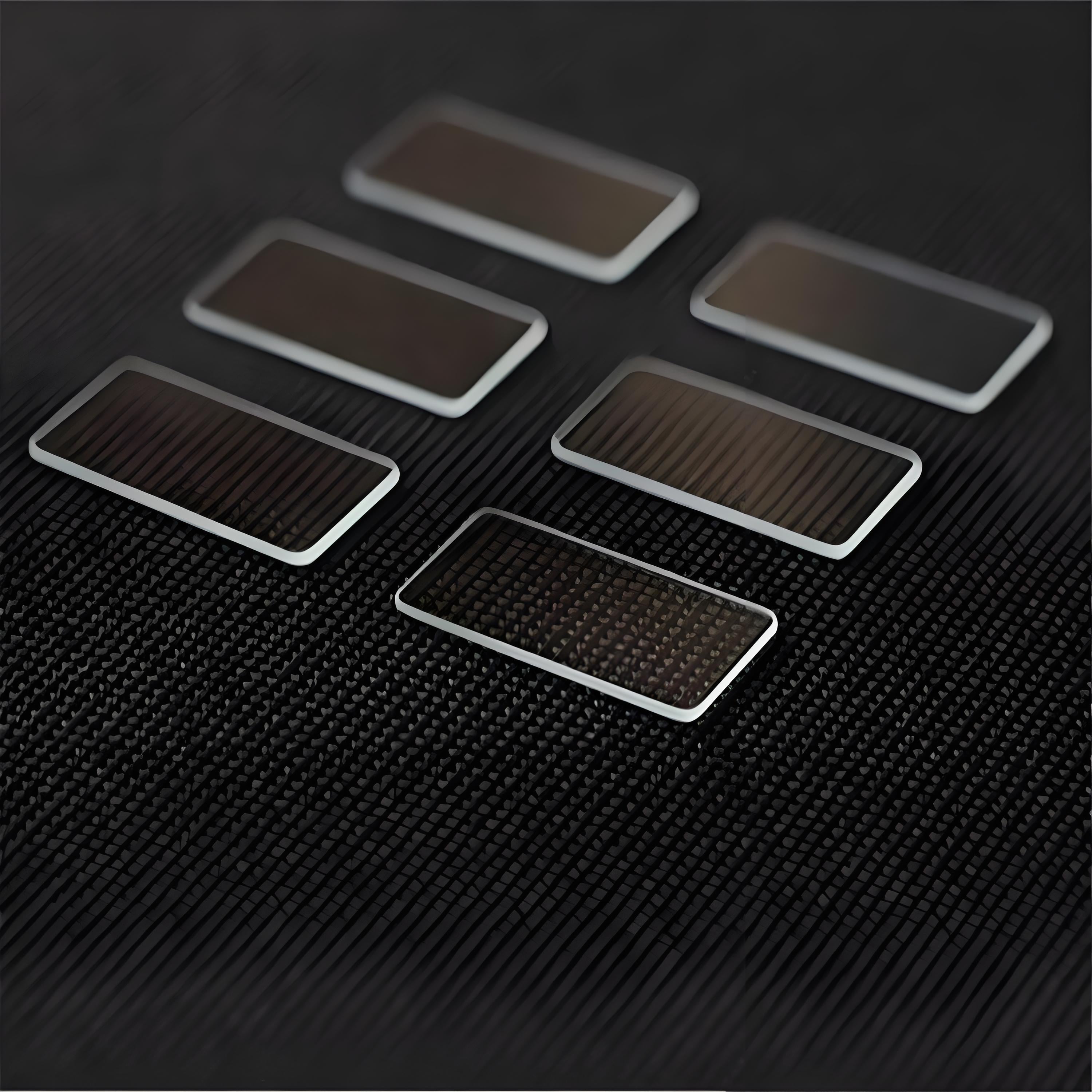
When architects and designers specify glass for premium applications, the choice between standard clear glass and low iron glass fundamentally changes the final visual outcome. Low iron glass delivers exceptional optical performance that standard float glass simply cannot match. The distinction lies in iron oxide content—low iron glass contains minimal iron impurities that would otherwise tint the glass greenish, whereas standard clear glass contains natural iron oxide that accumulates in thicker sections. For projects demanding absolute clarity and true color representation, low iron glass stands as the professional standard across high-end residential, commercial, and museum installations.
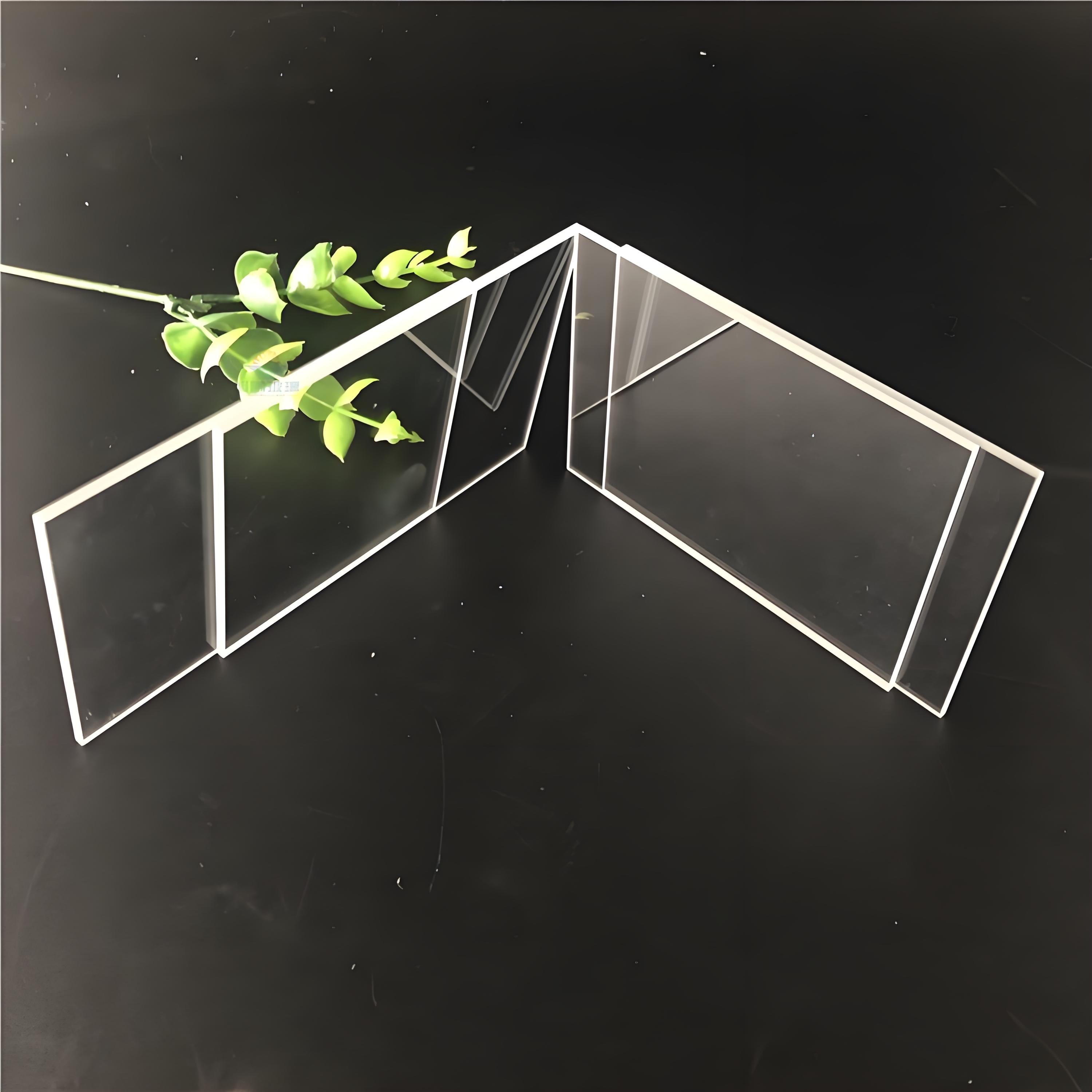
The advantages of low iron glass extend far beyond aesthetic appeal into measurable optical and functional benefits. Architects working on luxury developments, galleries, and flagship retail spaces increasingly specify low iron glass because it preserves the true appearance of materials, art, and views visible through the glass. This article explores the concrete advantages of low iron glass that justify its premium positioning in the market and explains why this material has become essential for applications where visual integrity cannot be compromised.
Superior Optical Transparency and Color Accuracy
Unmatched Light Transmission Properties
Low iron glass excels at light transmission because it eliminates the iron oxide coloration present in conventional glass. Standard float glass absorbs specific wavelengths of light, creating a subtle but noticeable green or blue tint, especially when viewed edge-on or in thick applications. Low iron glass maintains neutral color balance across all visible light wavelengths, ensuring that light passes through with minimal absorption. For architectural installations where natural daylight illuminates interior spaces, the advantages of low iron glass become immediately apparent—colors appear more vibrant, interior finishes display their true character, and artwork maintains authentic color representation. This superior transparency transforms how light interacts with a space, creating visual environments that feel more open and authentic.
True Color Representation for Design Intent
Designers and architects depend on accurate color rendering to fulfill their creative vision. When low iron glass is specified, the materials and finishes visible through the glass retain their intended appearance without chromatic distortion. Museum curators select low iron glass for display cases and interior partitions because it preserves the authentic colors of artworks and artifacts. Retail environments use low iron glass for storefronts and interior displays to showcase merchandise without color degradation. The advantages of low iron glass in these applications directly impact customer perception and design credibility. High-end residential projects incorporating low iron glass maintain interior design integrity, ensuring that carefully selected furnishings, wall treatments, and architectural finishes appear as the designer intended.
Enhanced Aesthetic Value and Premium Positioning
Visual Clarity for Luxury Applications
Low iron glass communicates quality and attention to detail in ways that resonated throughout the architecture and design industry. The exceptional clarity associated with low iron glass has become synonymous with premium projects and high-end developments. When potential buyers or visitors encounter spaces featuring low iron glass, they instinctively perceive greater value, cleaner aesthetics, and superior craftsmanship. Office buildings use low iron glass in conference rooms and interior partitions to create transparent, sophisticated work environments. Hotels and resorts specify low iron glass for balcony railings, interior dividers, and decorative features to enhance the luxury experience. The advantages of low iron glass in these contexts go beyond functionality—they contribute to the psychological impression of quality and exclusivity that justifies premium positioning in competitive markets.
Edge Beauty and Visual Continuity
The edge appearance of glass becomes particularly visible in frameless installations and stacked glass applications. Low iron glass displays clear, colorless edges rather than the greenish tint characteristic of standard glass edges. This visual continuity creates seamless transitions and maintains the aesthetic purity of contemporary architectural designs. Frameless glass railings, glass stairs, and minimal-framed installations all benefit from the edge clarity that low iron glass provides. The advantages of low iron glass in edge presentation enhance the overall design refinement of modern structures. Architectural photographers and renderings favor low iron glass because it photographs with perfect clarity, communicating the intended design vision without color distortion in images and promotional materials.
Long-Term Performance and Value Justification
Consistency Across Installation Thickness
Low iron glass maintains consistent optical performance regardless of thickness, delivering uniform clarity whether specified as 2mm for decorative applications or 19mm for structural stability. Standard clear glass exhibits progressive color shift as thickness increases—a 10mm section appears noticeably greener than a 3mm section from the same material run. This thickness-dependent coloration creates visual inconsistencies in installations incorporating varying glass thicknesses. The advantages of low iron glass eliminate this problem entirely, ensuring that all glass components within a single project maintain identical visual character. Architects designing complex glazing systems with multiple thickness specifications choose low iron glass to avoid visible color variations that would compromise the unified aesthetic vision.
Durability and Minimal Visual Degradation
Low iron glass maintains its optical properties over decades of exposure to sunlight and environmental conditions. UV radiation gradually affects all glass, but low iron glass resists color shift and degradation far more effectively than standard glass. Building owners benefit from knowing their glazing will retain the clarity and transparency that defined the original design intent twenty or thirty years after installation. The advantages of low iron glass in long-term performance translate into sustained property value, continued aesthetic appeal, and reduced maintenance concerns. Commercial properties and public buildings relying on low iron glass enjoy consistent visual performance throughout their operational lifespans, making this material a sound investment for institutions and developers focused on enduring quality.
FAQ
What specific applications benefit most from low iron glass specifications?
Low iron glass delivers maximum advantages in applications where visual integrity is paramount. Museums and galleries specify low iron glass for display cases and viewing windows to preserve authentic artwork colors. High-end residential projects use low iron glass for interior partitions, balcony railings, and exterior windows in premium developments. Luxury retail environments incorporate low iron glass storefronts and interior displays. Corporate offices select low iron glass for conference room partitions and frosted glass dividers. Hospitality properties featuring low iron glass in premium suites, restaurant windows, and common areas enhance the guest experience through superior clarity and light transmission.
How does the cost of low iron glass compare to standard clear glass?
Low iron glass commands a premium price—typically 30 to 40 percent higher than conventional clear glass—because the manufacturing process requires specialized formulations and rigorous quality control. However, architects argue that the advantages of low iron glass justify this cost differential through enhanced aesthetic value, color accuracy, and long-term performance consistency. Projects where design integrity and visual clarity directly influence market perception and tenant satisfaction find that low iron glass provides excellent value despite higher initial expense. The premium diminishes relative to overall project budgets in large commercial installations.
Can low iron glass be combined with other glass treatments like tempering or lamination?
Yes, low iron glass can be tempering, laminated, or treated with specialized coatings without losing its optical advantages. Tempered low iron glass meets safety requirements for railings, balustrades, and overhead glazing while maintaining superior clarity. Laminated low iron glass provides security and acoustic performance. The advantages of low iron glass persist when combined with these treatments, making it suitable for demanding applications requiring both safety and optical excellence. Architects can specify low iron glass with tinted or reflective coatings for privacy and solar control while retaining the clarity benefits in untreated sections.