EN
EN

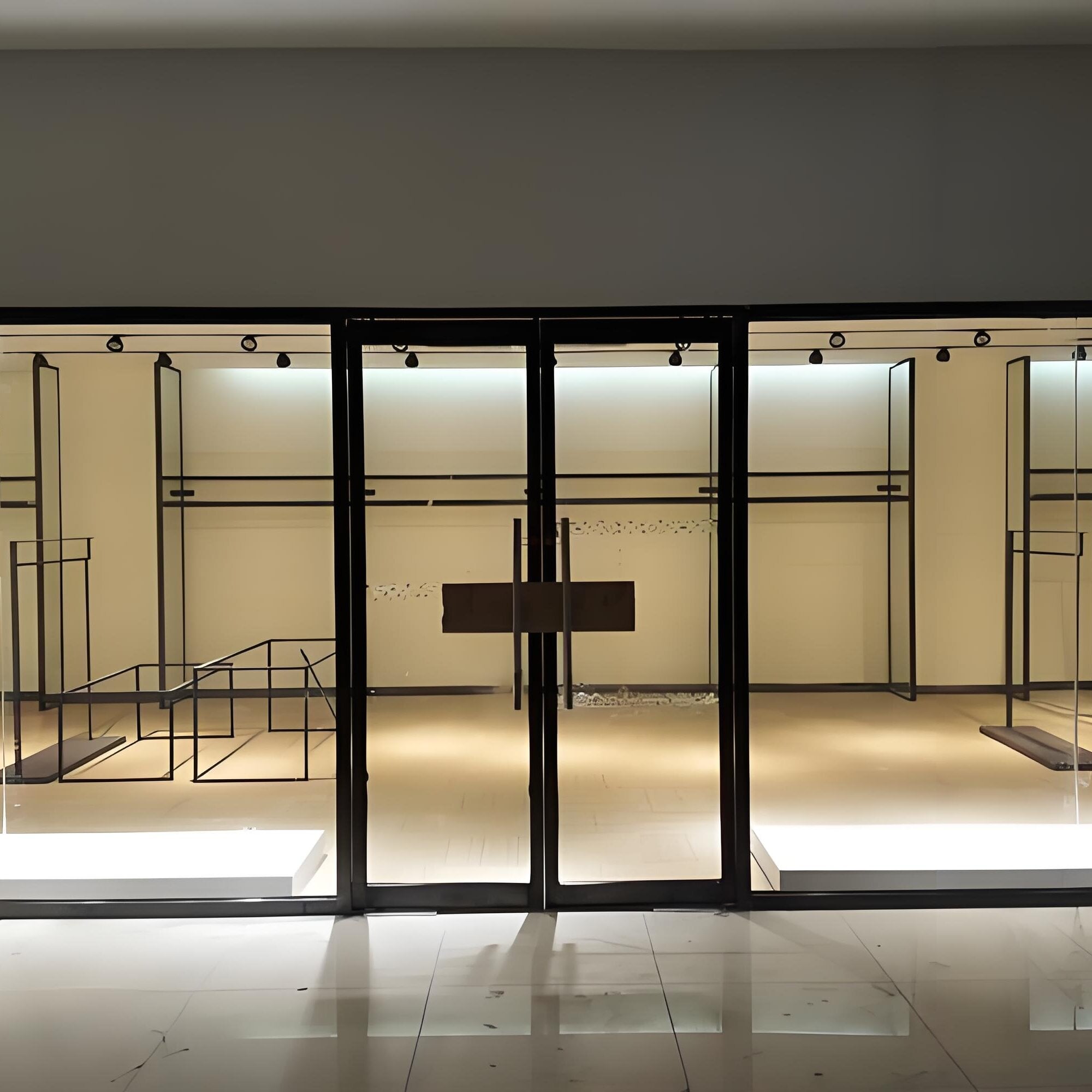
Lamine camın akustik performans derecelendirmelerini kurulumdan önce doğrulamak, bina projelerinin amaçlanan gürültü kontrol hedeflerini karşıladığını sağlamak açısından kritik bir adımdır. Ticari gelişimler, konut yüksek yapılar ya da belirli ses yalıtımı standartları gerektiren özel tesisler üzerinde çalışıyor olmanız fark etmeksizin, lamine camın akustik özellikleri kapsamlı testler ve belgelendirme incelemeleri yoluyla doğru bir şekilde doğrulanmalıdır. Bu doğrulama süreci, standartlaştırılmış akustik derecelendirme sistemlerini anlama, üretici sertifikalarını değerlendirme ve gerektiğinde saha ölçümleri yaparak belirtilen lamine camın gerçek dünya uygulamalarında beklenen ses azaltma performansını sağlayacağını teyit etmeyi içerir.
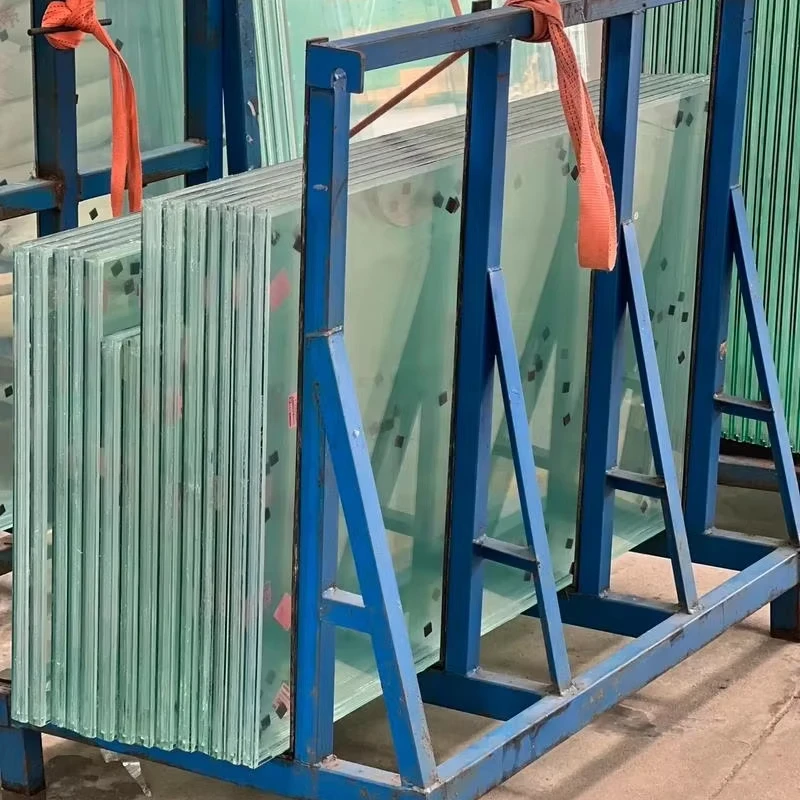
Lamine camın akustik performansının doğrulama süreci, ürün özelliklerinin incelenmesinin ötesine geçerek, laboratuvar test verilerinin değerlendirilmesi, test yöntemlerinin incelenmesi ve kontrollü test koşullarının gerçek kurulum ortamlarına nasıl yansıdığının anlaşılması için sistematik bir yaklaşım gerektirir. Profesyonel mimarlar, cam ustaları ve inşaat mühendisleri, yerel bina yönetmeliklerine ve projeye özgü performans gereksinimlerine uyumu sağlarken karmaşık akustik derecelendirme sistemlerinde yol almalıdır. Yetersiz doğrulamanın sonuçları, maliyetli tadilatlara, bina sertifikalarının alınamamasına veya aşırı gürültü iletimiyle ilgili şikayetlere yol açabilir; bu nedenle, kapsamlı kurulum öncesi doğrulama, temel bir kalite güvence uygulamasıdır.
Lamine Cam İçin Akustik Derecelendirme Standartlarını Anlamak
Uluslararası Test Standartları ve Ölçüm Protokolleri
Lamine camın akustik performans derecelendirmeleri, farklı frekans aralıklarında ses iletim kaybını ölçen standartlaştırılmış laboratuvar test prosedürleriyle belirlenir. Temel uluslararası standartlar arasında havadan yayılan ses iletim kaybının laboratuvar ortamında ölçülmesi için ASTM E90, ses yalıtımının laboratuvar ortamında ölçülmesi için ISO 10140 ve ses yalıtımının derecelendirilmesi için EN ISO 717 yer alır. Bu standartlar, akustik performans metriklerinin belirlenmesi amacıyla özel test koşullarını, numune hazırlama gereksinimlerini ve hesaplama yöntemlerini tanımlar. Bu test protokollerini anlamak, üretici verilerini doğru şekilde yorumlamak ve lamine cam özelliklerinin proje gereksinimleriyle uyumlu olduğunu sağlamak açısından hayati öneme sahiptir.
Ses İletim Sınıfı (STC) derecelendirme sistemi, Kuzey Amerika’da yaygın olarak kullanılan ve standartlaştırılmış bir frekans aralığı boyunca ortalama ses iletim kaybı performansını temsil eden tek bir sayısal değer veren bir sistemdir. Lamine cam uygulamaları için STC derecelendirmeleri genellikle cam kalınlığına, ara katman malzemelerine ve genel yapıya bağlı olarak 28 ila 45 arasında değişir. Ancak yalnızca STC derecelendirmeleri, özellikle belirli frekanslara yönelik gürültü kontrolü gerektiren uygulamalarda tam akustik performans resmini yansıtmayabilir. Avrupa ve uluslararası pazarlarda kullanılan Ağırlıklı Ses Azaltma Endeksi (Rw) derecelendirmeleri benzer tek sayılı değerlendirmeler sunar; ancak farklı türde gürültü kaynaklarını dikkate alan spektrum uyarlama terimlerini (C ve Ctr) içerebilir.
Frekansa Özel Performans Analizi
Lamine camın akustik performansının etkili doğrulanması, tek sayıya dayalı değerlendirmelere yalnızca güvenmek yerine, frekansa özel iletim kaybı verilerinin analiz edilmesini gerektirir. Trafik gürültüsü, uçak gürültüsü, mekanik ekipman gürültüsü ve insan konuşması gibi her bir gürültü kaynağı, lamine cam sistemleriyle farklı şekilde etkileşime giren belirgin frekans karakteristiklerine sahiptir. Havalandırma, ısıtma ve soğutma (HVAC) sistemleri veya otoyol trafiği gibi düşük frekanslı gürültü kaynaklarına özel dikkat gösterilmesi gerekebilir; çünkü lamine cam, yüksek frekanslara kıyasla genellikle düşük frekanslarda daha az ses yalıtımı sağlar. Bir üçte bir oktav bant verilerinin veya ayrıntılı frekans tepkisi eğrilerinin incelenmesi, olası akustik zayıf noktaları belirlemeye yardımcı olur ve belirli gürültü kontrol zorlukları için uygun cam seçiminin yapılmasını sağlar.
Akustik performansı laminat Cam polimer ara tabaka özelliklerine önemli ölçüde bağlıdır; farklı ara tabaka malzemeleri, frekans aralıklarında değişken sönümleme karakteristikleri gösterir. Polivinil bütil alkol (PVB) ara tabakaları standart akustik performans sağlarken, özel akustik ara tabakalar, geleneksel konfigürasyonlara kıyasla ses yalıtımını 2–6 dB artırabilir. Akustik derecelendirmeleri doğrularken, test edilen konfigürasyonun belirtilen ara tabaka türü ve kalınlığıyla eşleştiğinden emin olmak önemlidir; çünkü bu tür değişimler gerçek performansı önemli ölçüde etkileyebilir. Gelişmiş akustik ara tabakalar aynı zamanda frekansa özgü avantajlar da sunabilir; bu avantajlar, tek sayısal derecelendirmeler yerine ayrıntılı spektral analiz ile en iyi şekilde değerlendirilebilir.
Üretici Sertifikasyonu ve Belgelendirme Doğrulaması
Laboratuvar Test Raporu Analizi
Lamine camın akustik performansının kapsamlı doğrulanması, akredite edilmiş test tesislerinden alınan laboratuvar test raporlarının dikkatli incelenmesiyle başlar. Geçerli akustik test raporları, test numunesinin yapılandırması, montaj koşulları, test ortamı özellikleri ve tüm gerekli frekans bantlarında tam ölçüm verileri hakkında ayrıntılı bilgiler içermelidir. Test numunesi, cam kalınlığı kombinasyonları, ara katman özellikleri, kenar koşulları ve genel boyutlar da dahil olmak üzere önerilen montaj konfigürasyonuna mümkün olduğunca yakın olmalıdır. Test edilen konfigürasyonlar ile önerilen montajlar arasındaki tutarsızlıklar, akustik performansı önemli ölçüde etkileyebilir; bu nedenle doğrulama sürecinde bu farklılıkların belirlenmesi ve dikkate alınması zorunludur.
Test laboratuvarlarının akreditasyon durumu, laminat cam ürünlerinin akustik performans verilerinin güvenilirliği ve geçerliliğini belirlemede kritik bir faktördür. Laboratuvarlar, Ulusal Gönüllü Laboratuvar Akreditasyon Programı (NVLAP), UKAS veya ISO/IEC 17025 standartlarına uyumunu gösteren diğer ulusal akreditasyon kuruluşları gibi tanınmış kurumlardan akreditasyon belgesi almalı ve bu belgeyi sürdürmelidir. Test raporlarında akreditasyon kapsamı ve sertifika numaraları açıkça belirtilmelidir; ayrıca doğrulama personeli, akustik testlerin laboratuvarın akredite edilmiş yetkinlikleri kapsamında yer aldığını teyit etmelidir. Ek olarak, test raporu tarihleri makul ölçüde güncel olmalıdır; çünkü eski test verileri, akustik performansı etkileyebilecek mevcut üretim süreçlerini veya malzeme spesifikasyonlarını yansıtmayabilir.
Kalite yönetim sistemi dokümantasyonu
Lamine camın akustik performansının doğrulanması, test edilen yapılandırmaların tutarlı üretimini sağlayan üretici kalite yönetim sistemlerinin değerlendirilmesini içermelidir. ISO 9001 sertifikasyonu, kalite yönetimi için bir temel oluşturur; ancak akustik uygulamalara hizmet veren lamine cam üreticileri, akustik performans özelliklerine özel ek kalite kontrollerini kanıtlamalıdır. Bunlar, ara katman kalınlığındaki değişimler için istatistiksel süreç kontrolü, üretim örneklerinin düzenli akustik testleri ve ses iletim özelliklerini etkileyebilecek ham madde varyasyonlarıyla başa çıkma konusunda belgelenmiş prosedürler gibi unsurları içerebilir. Üreticiler, laboratuvar ortamında test edilen örnekler ile üretim malzemeleri arasındaki akustik performans tutarlılığını doğrulayan devam eden kalite güvence programlarına ilişkin kanıt sağlamalıdır.
Malzeme izlenebilirliği ve parti kontrol sistemlerine ilişkin belgelendirme, özellikle akustik uygulamalar için laminat camda ara tabaka özelliklerindeki küçük değişikliklerin ses iletim karakteristiklerini etkileyebilmesi nedeniyle son derece önemlidir. Üreticiler, belirli malzeme partilerini akustik test sonuçlarına bağlayan kayıtları tutmalı ve üretim malzemelerinin test edilen konfigürasyonların spesifikasyonlarını karşıladığını doğrulayan uygunluk sertifikaları sağlamalıdır. Bu belgelendirme, laminat camın uzun süreler boyunca veya birden fazla üretim hattından temin edildiği büyük projelerde özellikle kritik hâle gelir. Akustik performans toleransları özellikle sıkı olduğunda ya da proje spesifikasyonları doğrulanmış performans validasyonu gerektirdiğinde, saha denetim personeli partiye özel belgelendirme talep etmelidir.
Saha Testleri ve Montaj Doğrulama Yöntemleri
Montaj Öncesi Numune Testleri
Tam ölçekli montajdan önce laminat cam örneklerinin saha testi, ses yalıtımı performansını gerçek proje koşullarında doğrulama ve ses iletimini etkileyebilecek olası montajla ilgili faktörleri belirleme fırsatı sunar. Taşınabilir akustik test ekipmanları kullanılarak farklı laminat cam yapılandırmaları arasındaki göreli performansı karşılaştıran veya monte edilen örneklerin laboratuvar beklentileriyle tutarlı şekilde çalıştığını doğrulayan basitleştirilmiş saha ölçümleri yapılabilir. Saha testleri, laboratuvar testlerinin kontrollü koşullarını taklit edemese de montaj zorluklarını, kenar mühürleme etkilerini veya montaj sistemi etkilerini ortaya çıkarabilir; bu etkiler yalnızca laboratuvar verilerinden açıkça görülemeyebilir.
Örnek kurulum testleri, kapsamlı bir saha performans geçmişi olmayan karmaşık lamineli cam montajları veya yenilikçi akustik konfigürasyonlar için özellikle değerlidir. Prototip kurulumlar, cam sistemi detaylarının, dolgu maddesi uyumluluğunun ve yapısal montajın akustik performans üzerindeki etkilerinin doğrulanmasını sağlar. Bu testler, cam sistemleri boyunca potansiyel akustik köprüleme yollarını belirleyebilir, akustik sızdırmazlık malzemelerinin etkinliğini değerlendirebilir ve kurulum prosedürlerinin lamineli cam montajlarının akustik bütünlüğünü koruduğunu teyit edebilir. Sahada yapılan testlerin prosedürlerine ve sonuçlarına ilişkin belgelendirme, değerli kalite güvencesi kayıtları oluşturur ve tüm projenin kurulum spesifikasyonlarını şekillendirmeye yardımcı olabilir.
Kurulum Sonrası Performans Doğrulaması
Kapsamlı akustik performans doğrulaması, tamamlanmış laminat cam uygulamalarının beklenen ses iletim kontrolünü sağladığını teyit etmek amacıyla montaj sonrası testleri de içerebilir. Hava yoluyla yayılan ses yalıtımının saha ölçümü için ASTM E336 gibi saha test standartları, gerçek bina ortamlarında ölçümlerin yapılmasına ilişkin yönergeler sunar; ancak bu testler, yan yoldan iletim ve montaj değişkenleri nedeniyle laboratuvar koşullarına kıyasla genellikle daha düşük görünür performans değerleri verir. Montaj sonrası testler, akustik performansın işlevsel gereksinimleri doğrudan etkilediği kayıt stüdyoları, sağlık tesisleri veya büyük gürültü kaynaklarına komşu konut projeleri gibi kritik akustik uygulamalar için özellikle önemlidir.
Uzun vadeli performans izlemesi, özellikle yeni akustik ara tabaka teknolojileri veya geleneksel olmayan konfigürasyonlar kullanan bazı laminat cam uygulamaları için uygun olabilir. Periyodik akustik ölçümler, zaman içinde performans kararlılığını takip edebilir ve yaşlanma, yapısal hareket veya conta malzemesinin eskileşmesi gibi nedenlerle ortaya çıkabilecek olası performans düşüşlerini belirleyebilir. Bu izleme yaklaşımı, yenilikçi laminat cam ürünlerinin saha performans verilerini oluşturmak ve yeni akustik teknolojilere yönelik güveni artırmak açısından özellikle değerlidir. Uzun vadeli performansın dokümante edilmesi, gelecekteki projelere yönelik değerli geri bildirim sağlar ve laminat cam uygulamaları için akustik performans tahmin yöntemlerinin geliştirilmesine yardımcı olur.
Akustik Performansı Etkileyen Montaj Faktörleri
Camlandırma Sistemi Tasarımına İlişkin Hususlar
Lamine camın akustik performansı, çerçeve malzemeleri, cam tutucuları, conta sistemleri ve kenar koşulları da dahil olmak üzere genel camlama sistemi tasarımından önemli ölçüde etkilenir. Yapısal camlama sistemleri, kenar kısıtlamalarındaki farklılıklara ve potansiyel akustik köprüleme yollarına bağlı olarak geleneksel camlama sistemlerine kıyasla farklı akustik özellikler sunabilir. Akustik performansın doğrulanması, bu sistem düzeyindeki faktörleri dikkate almalı ve laboratuvar testlerinin önerilen montaj konfigürasyonunu temsil ettiğinden emin olmalıdır. İnşaat sırasında camlama sistemi detaylarında yapılan değişiklikler, akustik performansı olumsuz etkileyebilir; bu nedenle montaj süreci boyunca tasarım tutarlılığının korunması hayati öneme sahiptir.
Kenar örtme kalitesi, çevre boyunca hava sızıntılarının ses iletim kaybı performansını önemli ölçüde azaltabilmesi nedeniyle laminat cam uygulamalarının akustik bütünlüğünü korumada özellikle kritik öneme sahiptir. Doğrulama prosedürleri, tutarlı örtme performansını sağlamak amacıyla dolgu maddesi özelliklerinin, uygulama yöntemlerinin ve kalite kontrol önlemlerinin değerlendirilmesini içermelidir. Farklı dolgu maddesi malzemelerinin akustik özellikleri değişebilir ve bazı dolgu maddeleri standart cam montaj dolgularına kıyasla geliştirilmiş akustik örtme sağlayabilir. Laminat cam kenar işlemlerinin ve örtme sistemlerinin uyumluluğu, uzun vadeli performans düşüşünü önlemek amacıyla testler veya üretici belgeleriyle doğrulanmalıdır.
Yapısal Entegrasyon ve Montaj Etkileri
Lamine cam için yapısal montaj sistemi, mekanik kuplaj etkileri ve olası titreşim iletim yolları aracılığıyla akustik performansı etkileyebilir. Sert montaj sistemleri, daha esnek montaj yaklaşımlarına kıyasla farklı akustik özellikler sağlayabilir; bu nedenle laboratuvar test verilerinin önerilen montaj koşullarıyla karşılaştırılmasında bu farklılıklar dikkate alınmalıdır. Nokta destekli cam sistemleri, yapısal cam uygulamaları ve geleneksel çerçeve sistemleri her biri farklı akustik değerlendirmeler gerektiren sistemlerdir ve bu sistemlerin performans doğrulama sürecinde değerlendirilmesi gerekir.
Bina yapısı etkileşimleri, yan yoldan iletim ve yapısal bağlantı etkileri aracılığıyla laminat cam uygulamalarının görünür akustik performansını önemli ölçüde etkileyebilir. Laboratuvar testleri, cam montajının kendisinin akustik performansını izole ederken; gerçek montajın performansı, çevre duvar yapısı, döşeme ve tavan bağlantıları ile bina genelindeki akustik özelliklerden etkilenir. Doğrulama prosedürleri bu sistem düzeyi etkileşimleri göz önünde bulundurmalı ve belirli bina konfigürasyonlarında gerçek performansı tahmin etmek için akustik modelleme veya saha testleri gerektirebilir. Bu sınırlamaları anlama, gerçekçi performans beklentileri oluşturmayı ve projenin hedeflerine ulaşmak için ek akustik tedbirlerin gerekli olabileceği durumları belirlemeyi sağlar.
SSS
Laminat camın akustik performansını doğrulamak için üreticilerden hangi belgeleri talep etmeliyim?
Yüklü tesislerden ayrıntılı örnek yapılandırmaları, montaj koşulları ve frekans özel iletim kaybı verileri içeren tam laboratuvar test raporları talep edin. Ayrıca, üretim malzemelerinin test edilmiş konfigürasyonlara uyacağını doğrulayan kalite yönetimi sertifikaları, malzeme izlenebilirlik belgeleri ve parti özel uyum sertifikaları elde edin.
Laboratuvar test koşullarının gerçek tesisatımı temsil edip etmediğini nasıl belirlerim?
Test edilen numune konfigürasyonunu, cam kalınlıkları, ara katman özellikleri, kenar koşulları, montaj sistemleri ve genel boyutlar dahil olmak üzere önerilen kurulumunuzla karşılaştırın. Önemli farklılıklar, akustik performansı etkileyebilecek kurulum değişikliklerini hesaba katmak için ek test veya performans ayarlamaları gerektirebilir.
Sahada yapılan testler akustik performans doğrulama için laboratuvar testlerinin yerini alabilir mi?
Saha testleri, laboratuvar testlerini tamamlar ancak onların yerini alamaz; çünkü saha koşulları, yan yana iletim (flanking transmission) ve montaj etkileri gibi, kontrollü laboratuvar koşullarına kıyasla görünür performansı azaltan değişkenleri içerir. Saha testleri, doğrulama ve sorun giderme amacıyla değerlidir; ancak akustik performans spesifikasyonlarının birincil temeli olarak kullanılmamalıdır.
Lamine camın akustik performansını bozan en yaygın montaj faktörleri nelerdir?
Kötü kenar mühürleme, hava sızıntılarına izin vererek ses iletim kaybını önemli ölçüde azaltan en yaygın sorundur. Diğer faktörler arasında, montaj sistemleri aracılığıyla oluşan akustik köprüleme, test edilen konfigürasyonlardan sapmalar içeren montaj varyasyonları ve lamine camın kendi akustik özelliklerini atlayarak komşu yapı elemanları üzerinden gerçekleşen yan yana iletim (flanking transmission) yer alır.
İçindekiler Tablosu
- Lamine Cam İçin Akustik Derecelendirme Standartlarını Anlamak
- Üretici Sertifikasyonu ve Belgelendirme Doğrulaması
- Saha Testleri ve Montaj Doğrulama Yöntemleri
- Akustik Performansı Etkileyen Montaj Faktörleri
-
SSS
- Laminat camın akustik performansını doğrulamak için üreticilerden hangi belgeleri talep etmeliyim?
- Laboratuvar test koşullarının gerçek tesisatımı temsil edip etmediğini nasıl belirlerim?
- Sahada yapılan testler akustik performans doğrulama için laboratuvar testlerinin yerini alabilir mi?
- Lamine camın akustik performansını bozan en yaygın montaj faktörleri nelerdir?