EN
EN

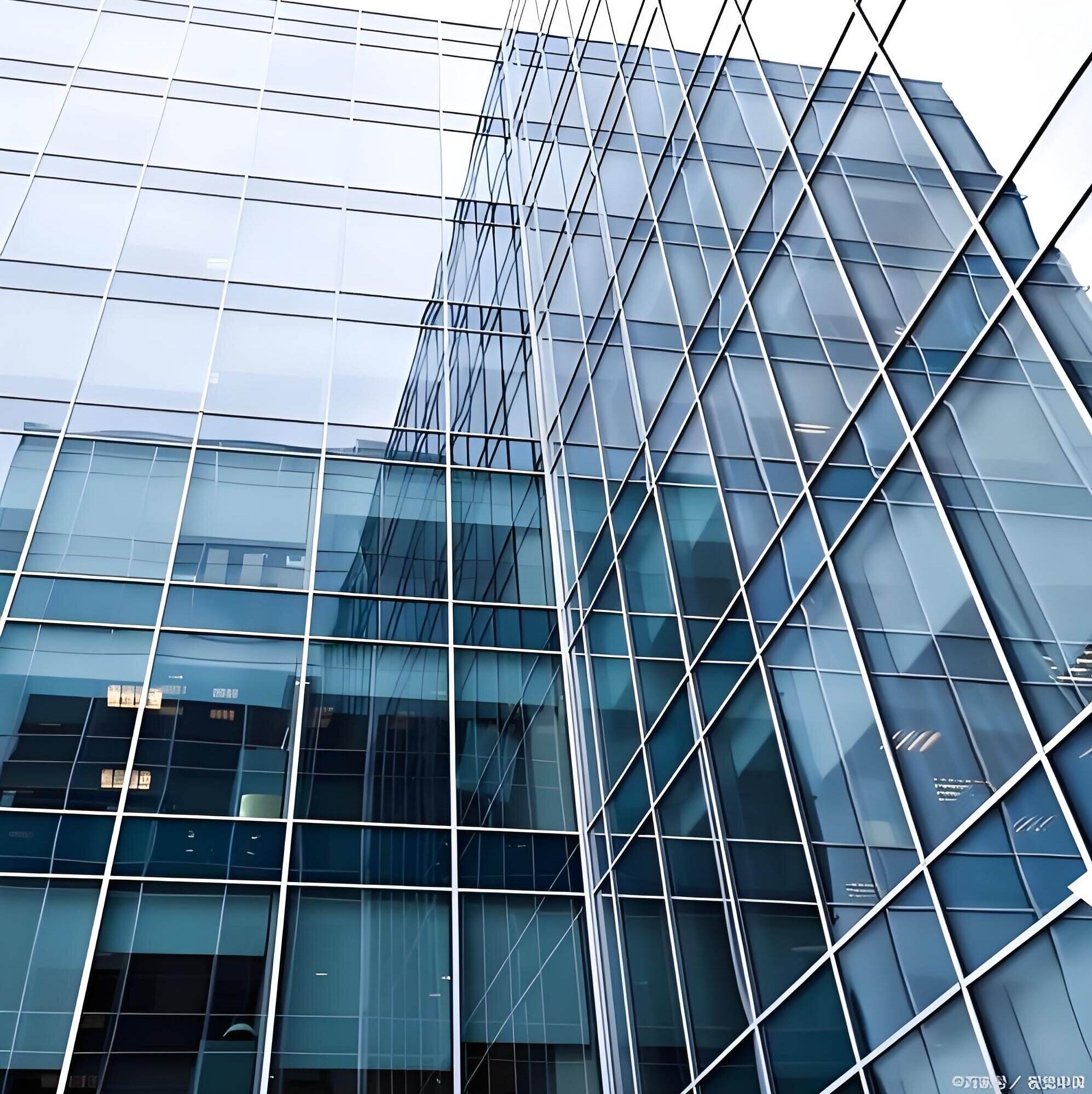
Gehard glas is uitgegroeid tot de favoriete materiaalkeuze voor commerciële winkelgevels en leuningen vanwege zijn uitzonderlijke combinatie van sterkte, veiligheid en esthetische aantrekkelijkheid. Dit speciaal ontwikkelde glas ondergaat een gecontroleerd thermisch behandelingsproces dat gewoon glas omzet in een superieur bouwmateriaal dat aanzienlijke belasting kan weerstaan, terwijl het zijn kristalheldere transparantie behoudt. Voor architecten, aannemers en vastgoedontwikkelaars die moderne, veilige en visueel opvallende commerciële ruimtes willen creëren, is het begrijpen van de uitgebreide voordelen van gehard glas essentieel om weloverwogen materiaalkeuzes te maken die zowel aan de directe bouwbehoeften als aan de langetermijn operationele eisen voldoen.
Het besluit om gehard glas te specificeren voor commerciële toepassingen gaat verder dan basisfunctionaliteit en omvat kritische overwegingen zoals de veiligheid van gebruikers, naleving van bouwvoorschriften, onderhoudsefficiëntie en de algehele projecteconomie. Moderne commerciële ontwikkelingen vereisen materialen die betrouwbare prestaties leveren onder wisselende omgevingsomstandigheden en tegelijkertijd hedendaagse ontwerpesthetiek ondersteunen, waardoor huurders en klanten worden aangetrokken. Gehard glas voldoet aan deze veelzijdige eisen dankzij zijn unieke fysieke eigenschappen en zijn bewezen geschiedenis van inzet in veeleisende commerciële omgevingen, waardoor het een onmisbaar onderdeel is geworden in het huidige bouwlandschap.
Verbeterde veiligheidsprestaties en risicomitigatie
Ungewone slagvastheid en structurele integriteit
Het fundamentele veiligheidsvoordeel van gehard glas ligt in zijn opmerkelijke slagvastheid, die ver boven die van standaard ongehard glas ligt. Door het gecontroleerde verwarmings- en snelle koelproces dat bekendstaat als het harden, ontwikkelt het glas interne drukspanningen waardoor het ongeveer vier tot vijf keer sterker is dan conventioneel glas van dezelfde dikte. Deze verhoogde sterkte vertaalt zich direct in verbeterde bescherming tegen ongelukkige impacten, windbelastingen en seismische krachten waaraan commerciële gebouwen regelmatig worden blootgesteld.
In winkelruimte-applicaties biedt gehard glas cruciale bescherming tegen zowel opzettelijke als onopzettelijke impacten die kunnen optreden in drukbezochte commerciële omgevingen. De capaciteit van het materiaal om aanzienlijke kracht te weerstaan zonder te bezwijken, helpt kostbare schade aan eigendommen en mogelijke aansprakelijkheidskwesties, die voortkomen uit glasbreukincidenten, te voorkomen. Voor leuningsystemen zorgt deze verbeterde slagvastheid ervoor dat de veiligheidsbarrière zijn structurele integriteit behoudt, zelfs wanneer deze wordt blootgesteld aan aanzienlijke zijdelingse krachten of onverwachte impacten.
De veiligheidsvoordelen strekken zich uit tot extreme weersomstandigheden waarbij gehard Glas superieure prestaties vertoont ten opzichte van andere beglazingsmogelijkheden. Sterke wind, hagel en thermische cycli, die bouwmaterialen kunnen belasten, worden effectief beheerd door installaties van gehard glas, waardoor het risico op plotselinge breuk wordt verminderd en de integriteit van de gebouwschil tijdens diverse weersomstandigheden wordt behouden.
Veilige breukpatroon en letselpreventie
Een van de belangrijkste veiligheidskenmerken van gehard glas is het karakteristieke breukpatroon, dat sterk verschilt van dat van standaardglas. Wanneer gehard glas zijn breukpunt bereikt, breekt het in duizenden kleine, relatief onschadelijke stukjes, in plaats van in grote, scherpe scherven zoals bij geglanst glas. Dit gecontroleerde breukpatroon vermindert aanzienlijk het risico op ernstig letsel bij glasbreuk, waardoor het een essentieel veiligheidskenmerk is voor commerciële toepassingen waarbij openbare toegang gebruikelijk is.
De kleine, korrelachtige brokstukken die ontstaan bij het breken van gehard glas hebben geen snijdende randen, waardoor traditioneel glas zo gevaarlijk is wanneer het breekt. Deze eigenschap is bijzonder waardevol bij gevelinstallaties waar voetgangersverkeer constant is en het risico op onopzettelijk contact met gebroken glas ernstig letsel kan veroorzaken. De veiligheidsglasclassificatie die gehard glas heeft verworven, weerspiegelt deze belangrijke beschermende functie die gebouweigenaren helpt bij het nakomen van hun zorgplicht ten opzichte van huurders, klanten en bezoekers.
Voor leuningen biedt het veilige breukpatroon van gehard glas een extra beschermingslaag in gebieden waar mensen tegen de beglazing kunnen leunen of per ongeluk tegen aan kunnen botsen. Zelfs in het onwaarschijnlijke geval van een breuk vormen de resulterende brokstukken een minimale bedreiging voor snijwonden of andere ernstige verwondingen, wat veiliger evacuatie- en schoonmaakprocedures mogelijk maakt, terwijl de beschermende functie van het leuningsysteem behouden blijft.
Naleving van bouwbesluiten en regelgevende voordelen
Voldoen aan de eisen voor veiligheidsglas
Moderne bouwbesluiten stellen uitdrukkelijk dat veiligheidsglas moet worden gebruikt in talloze commerciële toepassingen, en gehard glas voldoet gemakkelijk aan deze regelgevende eisen in meerdere rechtsgebieden. Het Internationaal Bouwbesluit, evenals lokale bouwautoriteiten, vereist veiligheidsglas op locaties die als gevaarlijk worden beschouwd, waaronder gebieden in de buurt van deuren, trappenhuizen, hellingbanen en op bepaalde hoogten in commerciële gebouwen. Gehard glas voldoet standaard aan deze eisen, wat het specificatieproces vereenvoudigt en naleving van de bouwregelgeving waarborgt.
Voor commerciële winkelpuien vereisen bouwvoorschriften doorgaans veiligheidsglas op de eerste paar voet boven het maaiveld, met name in gebieden waar het publiek toegang toe heeft. Gehard glas voldoet aan deze eisen en biedt tegelijkertijd de optische helderheid die nodig is voor een effectieve productweergave en klantenaantrekking. De conformiteit van het materiaal met de ANSI Z97.1- en CPSC 16 CFR 1201-veiligheidsnormen garandeert dat architecten en aannemers gehard glas met vertrouwen kunnen specificeren om aan wettelijke verplichtingen te voldoen.
Leuningsystemen met gehard glas profiteren van de inherente conformiteit van het materiaal met de veiligheidseisen voor leuningen, die specifieke slagvastheid en insluitingscapaciteit vereisen. De structurele prestaties van gehard glas onder gestandaardiseerde testomstandigheden leveren de documentatie op die nodig is voor goedkeuring van de bouwvergunning en acceptatie tijdens de eindinspectie, waardoor het bouwgoedkeuringsproces wordt versneld.
Verzekerings- en aansprakelijkheidsaspecten
Het gebruik van gehard glas in commerciële toepassingen leidt vaak tot gunstige verzekeringsoverwegingen vanwege het lagere risicoprofiel dat gepaard gaat met de installatie van veiligheidsglas. Verzekeringsmaatschappijen erkennen de lagere kans op letselsgerelateerde claims wanneer gehard glas correct is gespecificeerd en geïnstalleerd conform de richtlijnen van de fabrikant en de eisen van de bouwcode. Deze risicovermindering kan resulteren in lagere aansprakelijkheidsverzekeringspremies en een geringere blootstelling aan claims wegens eigendomsschade.
Vastgoedeigenaren profiteren van het aangetoonde veiligheidsrecord van installaties met gehard glas, wat documentatie biedt van de inspanning om zorgvuldig materiaal te selecteren wanneer aansprakelijkheidskwesties ontstaan. De brede acceptatie van gehard glas als branche-standaard voor toepassingen waarbij veiligheid essentieel is, draagt bij aan het aantonen dat passende voorzorgsmaatregelen zijn genomen tijdens het ontwerp- en bouwproces van het gebouw.
De voorspelbare prestatiekenmerken van gehard glas dragen ook bij aan nauwkeuriger risicobeoordeling en verzekeringsondersteuning. De uitgebreide testgegevens en prestatiegeschiedenis die beschikbaar zijn voor installaties van gehard glas, stellen verzekeringsprofessionals in staat om geïnformeerde beslissingen te nemen over dekking en prijsstelling op basis van bewezen, en niet theoriegebaseerde, risicoprofielen.
Esthetische ontwerpflexibiliteit en architectonische integratie
Optische helderheid en visuele transparantie
Het uithardingsproces behoudt de uitzonderlijke optische helderheid van hoogwaardig glas, terwijl het tegelijkertijd de veiligheids- en sterktevoordelen toevoegt die het geschikt maken voor veeleisende commerciële toepassingen. Gehard glas behoudt de kristalheldere transparantie die maximale lichtdoorlatendheid en onbelemmerd zicht mogelijk maakt — essentiële kenmerken voor zowel etalage- als leuningtoepassingen, waarbij visuele verbinding een primaire ontwerpdoelstelling is.
Bij installaties in winkelpuien zorgt de optische kwaliteit van gehard glas ervoor dat productweergaven levendig en aantrekkelijk blijven voor potentiële klanten. De minimale visuele vervorming van het materiaal zorgt voor een nauwkeurige kleurweergave en duidelijke zichtlijnen, wat effectieve detailhandelsmarketingstrategieën ondersteunt. De transparante eigenschappen dragen ook bij aan het gevoel van openheid en toegankelijkheid dat moderne commerciële ruimtes nastreven.
Voor leuningsconstructies biedt gehard glas de veiligheidsbarrièrefunctie zonder visuele barrières te vormen die ruimtes kleiner of beperkter zouden doen lijken. Door de transparantie van het materiaal kunnen architectonische elementen, uitzichten en natuurlijk licht vrij door ruimtes stromen, terwijl de noodzakelijke beschermende functie behouden blijft. Deze combinatie van veiligheid en openheid is bijzonder waardevol in commerciële omgevingen, waar navigatie en ruimtelijke oriëntatie belangrijke overwegingen zijn.
Aanpassingsmogelijkheden en ontwerpprivaat
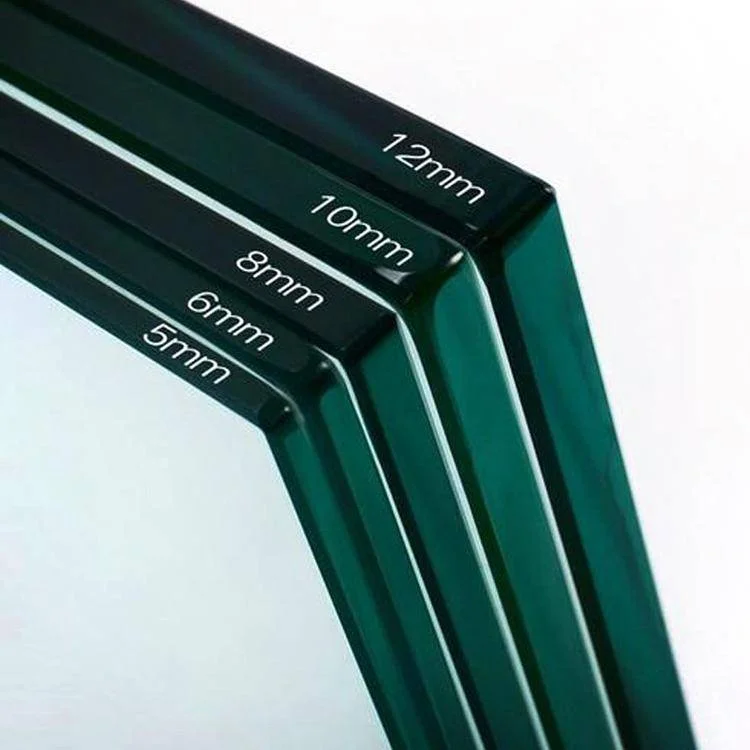
Moderne productieprocessen voor gehard glas bieden een brede waaier aan aanpassingsmogelijkheden, waardoor architecten en ontwerpers specifieke esthetische doelen kunnen realiseren, zonder in te boeten op de veiligheids- en prestatievoordelen van dit materiaal. Beschikbare diktes variëren van 6 mm tot 25 mm of meer, wat structurele flexibiliteit biedt voor verschillende belastingsvereisten en overspanningsmogelijkheden, zowel bij geveltoepassingen als bij leuningen.
Randafwerkingsopties voor gehard glas omvatten gepolijste, geslepen en afgeschuinde behandelingen die verschillende architectonische stijlen en hardware-systemen kunnen aanvullen. Deze afwerkingsopties zorgen voor een nette integratie met kaderconstructies, terwijl de veiligheidseigenschappen die gehard glas onmisbaar maken voor commerciële toepassingen behouden blijven. De mogelijkheid om randafwerkingen op te geven ondersteunt ook de creatie van aaneengesloten glasoppervlakken die de moderne esthetiek versterken die wordt nagestreefd in hedendaagse commerciële ontwerpen.
Oppervlaktebehandelmogelijkheden voor gehard glas gaan verder dan basisdoorzichtigheid en omvatten onder andere zuretching, zandstralen en digitaal printen, waarmee privacyregeling, merkgerichte toepassingen of decoratieve elementen kunnen worden gerealiseerd, zonder dat de onderliggende veiligheidsprestaties worden aangetast. Deze behandelingen maken het mogelijk dat gehele geharde glasinstallaties meerdere functionele en esthetische doeleinden dienen binnen één beglazingsysteem.
Langdurige Prestaties en Onderhoudsvoordelen
Duurzaamheid onder commerciële gebruiksomstandigheden
De verbeterde duurzaamheid van gehard glas vertaalt zich direct in lagere onderhoudseisen en een langere levensduur bij commerciële toepassingen. Het uithardenproces leidt tot een materiaal dat bestand is tegen krassen, etching en andere oppervlakteschade die zich in tijdens intensief gebruik kunnen opstapelen. Dit duurzaamheidsvoordeel is bijzonder waardevol bij winkelgeveltoepassingen, waar frequente reiniging en eventueel contact met winkelwagentjes, pakketten en andere objecten het uiterlijk van minder bestendige materialen kunnen aantasten.
Installaties van gehard glas tonen een uitzonderlijke weerstand tegen omgevingsfactoren die bouwmaterialen op de lange termijn kunnen aantasten. Temperatuurwisselingen, UV-straling, vochtinfiltratie en chemische blootstelling door schoonmaakmiddelen hebben allen een minimale invloed op correct geïnstalleerde systemen van gehard glas. Deze weerstand tegen omgevingsinvloeden zorgt ervoor dat de beglazing haar structurele en esthetische eigenschappen gedurende langdurige gebruikstijden behoudt, zonder dat regelmatige vervanging of restauratie nodig is.
De thermische stabiliteit van gehard glas maakt het mogelijk om de thermische bewegingen die veelvoorkomen in commerciële gebouwen op te vangen, zonder dat er spanningsscheuren of andere foutmodi ontstaan die conventionele beglazingsmaterialen beïnvloeden. Deze thermische prestatie is cruciaal voor het behoud van de weersbestendigheid en het voorkomen van infiltratieproblemen die kunnen leiden tot kostbare reparaties aan de gebouwschil.
Schoonmaak- en Onderhoudsefficiëntie
Het gladde, niet-poreuze oppervlak van gehard glas vergemakkelijkt efficiënte schoonmaak- en onderhoudsprocedures die bijdragen aan het beheersen van de bedrijfskosten in commerciële gebouwen. Standaard apparatuur en procedures voor het schoonmaken van commercieel glas zijn volledig compatibel met installaties van gehard glas, waardoor het onderhoudspersoneel van gebouwen vertrouwde technieken en producten kan gebruiken zonder speciale opleiding of extra apparatuur.
De chemische weerstand van gehard glas maakt het mogelijk om, indien nodig, krachtigere reinigingsoplossingen te gebruiken om hardnekkige afzettingen of vlekken te verwijderen, zonder risico op oppervlakteschade. Deze eigenschap is bijzonder waardevol in stedelijke omgevingen, waar luchtvervuiling, vogelpoep en andere verontreinigingen zich op gebouwoppervlakken kunnen ophopen en agressieve reinigingsmethoden vereisen voor een effectieve verwijdering.
De routineonderhoudseisen voor gehard glasystemen richten zich voornamelijk op inspectie van de hardware en vervanging van de weersafsluiting, in plaats van vervanging van het glas zelf, wat zowel de materiaalkosten als de arbeidskosten gedurende de levensduur van het gebouw verlaagt. Het voorspelbare onderhoudsplan dat gepaard gaat met installaties van gehard glas maakt nauwkeuriger begroting en planning van onderhoudsactiviteiten voor gebouwen mogelijk.
Economische waarde- en kosteneffectiviteitsanalyse
Initiële investering versus levenscycluswaarde
Hoewel gehard glas een hogere initiële investering vereist dan standaard ongehard glas, wijst de berekening van de totale eigendomskosten consistent in het voordeel van gehard glas voor commerciële toepassingen. De verbeterde duurzaamheid, de gereduceerde onderhoudseisen en de lagere vervangingsfrequentie van installaties met gehard glas genereren aanzienlijke kostenbesparingen gedurende de typische levensduur van gebouwen van 20–30 jaar of langer.
De veiligheidseigenschappen van gehard glas dragen bij aan kostenbesparing door een verminderde aansprakelijkheidsblootstelling en minder verzekeringsclaims. De voorkoming van glasgerelateerde verwondingen en schade aan eigendommen levert kwantificeerbare economische voordelen op die de hogere aankoopprijs van het materiaal compenseren. Deze risicomitigerende voordelen worden steeds waardevoller naarmate commerciële gebouwen ouder worden en een grotere kans lopen op mogelijke uitvalvormen.
Ook energie-efficiëntieoverwegingen ondersteunen het economische argument voor gehard glas in commerciële toepassingen. De superieure thermische prestaties en luchtdichtheid van correct geïnstalleerde systemen met gehard glas dragen bij aan lagere bedrijfskosten voor HVAC-systemen en verbeterd comfort voor gebruikers. Deze operationele besparingen accumuleren zich in de tijd en leveren extra rendement op de initiële investering in het materiaal.
Verhoging van eigendomswaarde
Commerciële panden met geanodiseerd glasinstallaties kennen vaak een hogere marktwaarde vanwege de waargenomen kwaliteit en veiligheidsvoordelen die samenhangen met moderne beglazingsystemen. Potentiële huurders en kopers van onroerend goed erkennen de voordelen van gebouwen die voldoen aan actuele veiligheidsnormen en waarin onderhoudsarme bouwmaterialen zijn verwerkt, wat zich vertaalt in concurrentievoordelen op de commerciële vastgoedmarkt.
De esthetische aantrekkelijkheid van goed ontworpen geanodiseerde glasinstallaties draagt bij aan de algehele architectonische kwaliteit die invloed heeft op de waardering van het pand en de huurprijzen. Moderne commerciële huurders verwachten in toenemende mate hoogwaardige afwerkingen van gebouwen en veiligheidsvoorzieningen die hun zakelijke activiteiten en doelstellingen op het gebied van werknemerswelzijn ondersteunen. Geanodiseerde glasinstallaties helpen vastgoedeigenaren deze verwachtingen te vervullen, terwijl ze de langetermijnwaarde van hun activa behouden.
De duurzaamheid en lage onderhoudseisen van gehard glasystemen bieden extra waarde aan vastgoedinvesteerders door de kapitaaluitgaven voor gebouwupdates en renovaties te verminderen. De langere levensduur van installaties met gehard glas stelt vastgoedeigenaren in staat om grote vervangingen van het beglazingsysteem uit te stellen, wat de kasstroom en de investeringsrendementen gedurende de bezitperiode verbetert.
Veelgestelde vragen
Hoe verhoudt gehard glas zich tot gelaagd glas voor commerciële winkelgevels?
Gehard glas biedt een superieure slagvastheid en thermische stabiliteit in vergelijking met gelaagd glas, waardoor het ideaal is voor de meeste commerciële geveltoepassingen. Hoewel gelaagd glas een verbeterde beveiliging tegen gewelddadige toegang biedt dankzij de tussenlaag die brokstukken bij elkaar houdt, biedt gehard glas een betere optische helderheid en is het kosteneffectiever voor standaard commerciële beglazingseisen. De keuze tussen de materialen hangt af van specifieke veiligheidseisen, lokale bouwvoorschriften en budgetoverwegingen.
Welke dikte gehard glas wordt aanbevolen voor commerciële leuningtoepassingen?
Commerciële leuningtoepassingen vereisen doorgaans gehard glas met een dikte van 10 mm tot 12 mm om te voldoen aan de structurele belastingsvereisten en bouwvoorschriften. De specifieke dikte hangt af van de hoogte van de leuning, de afstand tussen de steunpunten, de eisen voor windbelasting en de lokale bouwvoorschriften. Structurele berekeningen, uitgevoerd door gekwalificeerde ingenieurs, moeten de juiste glasdikte bepalen voor elke specifieke installatie om veiligheid en naleving van de voorschriften te garanderen.
Kan gehard glas worden gesneden of bewerkt na het uitharden?
Gehard glas kan niet worden gesneden, geboord of bewerkt na het uithardingsproces zonder dat het gehele paneel in kleine stukjes breekt. Alle maatvoering, randbewerking, gatboorwerk en andere fabricage moeten worden voltooid voordat het glas het uithardingsproces ondergaat. Deze vereiste maakt nauwkeurige meting en gedetailleerde werktekeningen essentieel voor een succesvolle installatie van gehard glas in commerciële toepassingen.
Hoe lang duurt gehard glas doorgaans in commerciële toepassingen?
Goed geïnstalleerd gehard glas kan in commerciële toepassingen 20 tot 30 jaar of langer betrouwbare dienstverlening bieden, mits het wordt onderhouden conform de aanbevelingen van de fabrikant. De werkelijke levensduur hangt af van de omgevingsomstandigheden, de kwaliteit van het onderhoud en de specifieke details van de installatie. Regelmatig inspecteren van de bevestigingshardware en weersbestendige afdichtingen draagt bij aan een optimale prestatie gedurende de verwachte levensduur van het beglazingsysteem.