Get a Free Quote

Our representative will contact you soon.
Email
Name
Company Name
Message
0/1000

How to select laminated glass for overhead skylights requiring fall-through protection?

2026-04-01 15:00:00
How to select laminated glass for overhead skylights requiring fall-through protection?

Selecting the right laminated glass for overhead skylights with fall-through protection requirements demands careful consideration of multiple safety, structural, and performance factors. Unlike standard glazing applications, overhead installations present unique challenges where human safety depends entirely on the glass maintaining its structural integrity even after impact damage. The selection process involves evaluating glass composition, interlayer materials, thickness combinations, and compliance with specific building codes that govern overhead glazing systems.

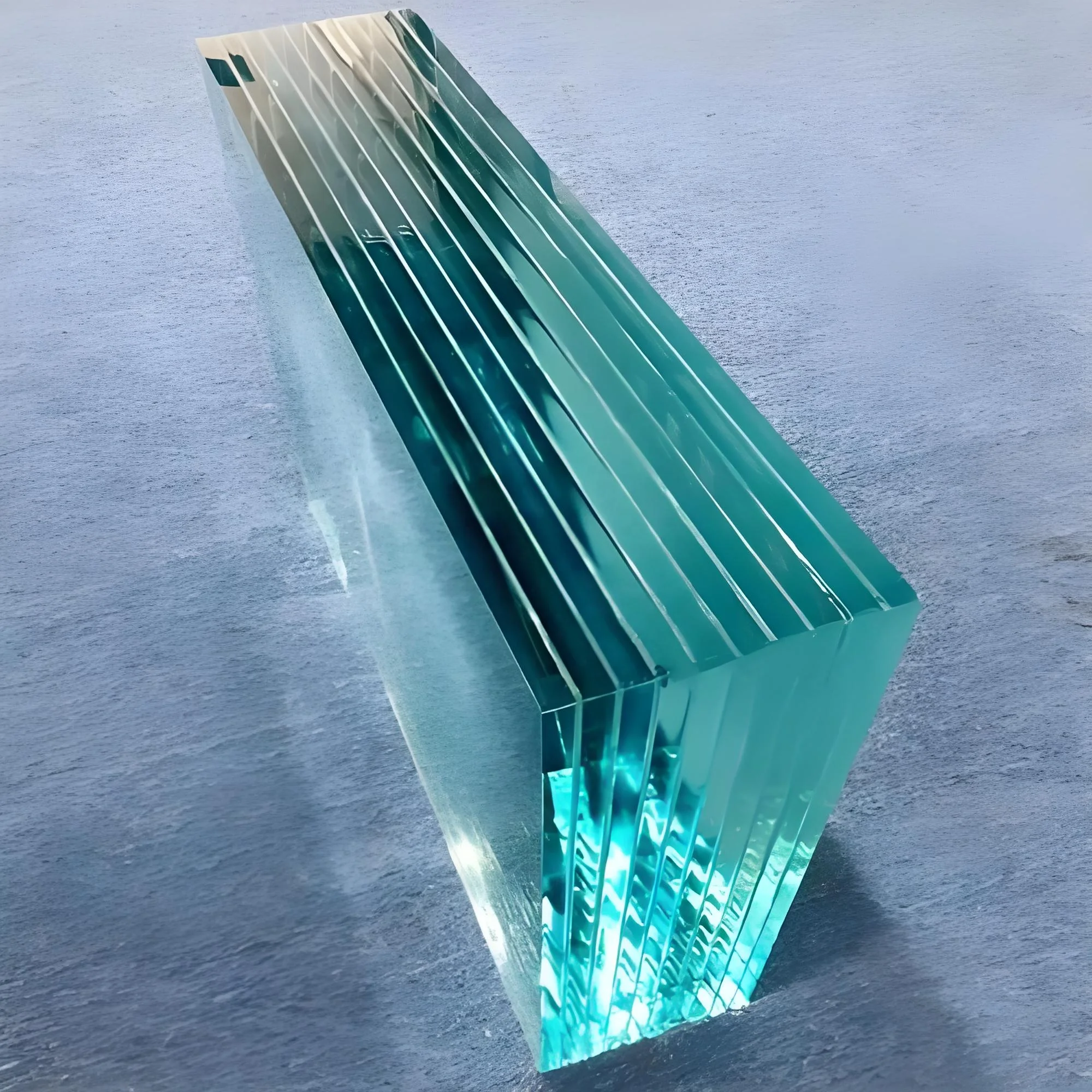
laminated glass

Fall-through protection represents a critical safety requirement where the glass must remain intact and continue supporting loads even when one or more glass layers are broken or compromised. This protection level goes beyond basic safety glazing standards and requires laminated glass configurations specifically engineered to prevent catastrophic failure. Understanding these requirements forms the foundation for making informed selection decisions that ensure both regulatory compliance and long-term occupant safety.

Understanding Fall-Through Protection Requirements

Regulatory Framework and Building Code Standards

Building codes establish specific requirements for overhead glazing systems, with fall-through protection standards varying by jurisdiction and application type. Most codes require that overhead laminated glass maintains structural integrity after impact testing, preventing glass fragments from falling and ensuring the glazing continues to support design loads. The International Building Code and similar standards typically mandate that overhead glazing systems pass standardized impact tests while maintaining their load-bearing capacity.

These regulations often specify minimum thickness requirements, interlayer specifications, and performance criteria that directly influence laminated glass selection. Compliance verification usually requires third-party testing and certification, making it essential to choose laminated glass products that have undergone appropriate testing protocols. The regulatory framework also addresses installation requirements, support systems, and maintenance protocols that affect long-term performance.

Understanding local code requirements early in the selection process prevents costly redesigns and ensures project approval. Some jurisdictions have additional requirements for specific building types, occupancy classifications, or environmental conditions that further refine the selection criteria for overhead laminated glass systems.

Load-Bearing Capacity After Glass Breakage

The fundamental principle of fall-through protection requires that laminated glass continues supporting structural loads even when individual glass layers are damaged or completely fractured. This capability depends heavily on the interlayer material properties, thickness, and the overall glass configuration. Polyvinyl butyral interlayers provide excellent post-breakage strength retention, while more advanced interlayers like ionoplast materials offer superior structural performance for demanding applications.

Load distribution mechanisms change significantly after glass breakage, with the interlayer becoming the primary load-bearing component. This transition requires careful analysis of expected loads, including dead loads from the glass itself, live loads from maintenance activities, and environmental loads such as wind and snow. The laminated glass must maintain adequate safety factors even in the post-breakage condition.

Design calculations must account for reduced stiffness and altered stress distribution patterns that occur after glass layer failure. This analysis influences both the initial glass specification and the supporting structural system design, ensuring that the entire skylight assembly maintains its integrity under all anticipated loading conditions.

Impact Resistance and Energy Absorption

Impact resistance capabilities determine how well laminated glass withstands accidental impacts while maintaining its protective function. The glass must absorb impact energy without allowing penetration or creating large openings that could lead to falls. Different interlayer materials provide varying levels of impact resistance, with some specialized formulations designed specifically for high-impact applications.

Energy absorption characteristics depend on both glass thickness and interlayer properties, with thicker configurations generally providing better impact performance. However, the relationship between thickness and impact resistance is not linear, making proper testing and specification critical for achieving desired performance levels. The glass surface area and support conditions also significantly influence impact resistance behavior.

Testing standards such as ASTM E1886 and ASTM E1996 provide standardized methods for evaluating impact resistance, though fall-through protection may require additional testing protocols. Understanding these test methods helps in comparing different laminated glass options and ensuring the selected product meets project-specific impact requirements.

Glass Composition and Configuration Analysis

Glass Layer Thickness Combinations

The selection of individual glass layer thicknesses significantly impacts the overall performance characteristics of laminated glass systems. Symmetric configurations using equal thickness layers provide balanced performance and predictable behavior, while asymmetric designs may offer advantages in specific applications. Thicker outer layers can improve impact resistance, while thicker inner layers may enhance structural performance after the outer layer is damaged.

Common thickness combinations for overhead applications range from 6mm-1.52mm-6mm for moderate loads to 10mm-2.28mm-10mm or greater for high-performance applications. The total thickness affects not only structural performance but also weight, cost, and installation complexity. Each additional millimeter of glass thickness adds approximately 2.5 kg per square meter to the system weight, influencing support structure requirements.

Glass stress distribution varies significantly between different thickness combinations, with thicker configurations providing better load distribution but potentially creating higher stress concentrations at support points. Finite element analysis may be necessary for complex geometries or high-load applications to optimize the thickness combination for specific project requirements.

Interlayer Material Selection

Interlayer materials form the critical bond between glass layers and provide the primary mechanism for fall-through protection after glass breakage. Standard polyvinyl butyral interlayers offer reliable performance for most applications, while structural glazing applications may require more advanced materials. The interlayer thickness typically ranges from 0.76mm to 2.28mm or greater, depending on performance requirements.

Advanced interlayer materials such as ethylene vinyl acetate or ionoplast polymers provide enhanced structural properties, improved clarity, and better long-term durability. These materials command higher costs but may be necessary for critical applications or extreme environmental conditions. The selection process must balance performance requirements with project budget constraints.

Interlayer properties change with temperature and loading duration, making it essential to consider both short-term impact loads and long-term structural loads. Creep resistance becomes particularly important for overhead applications where the interlayer must support loads continuously over the building's service life. Proper material selection ensures that the laminated glass maintains its protective function throughout the expected lifespan.

Tempered Versus Annealed Glass Components

The choice between tempered and annealed glass layers significantly affects both performance characteristics and failure modes of laminated glass systems. Tempered glass provides higher strength and better impact resistance but creates small fragments when broken, while annealed glass produces larger shards that may be better contained by the interlayer. Many fall-through protection applications use tempered glass for improved strength characteristics.

Heat-strengthened glass offers a compromise between the high strength of tempered glass and the controlled failure pattern of annealed glass. This option may be preferred in applications where post-breakage visibility or controlled fragment size is important. The thermal stress resistance of tempered components also provides advantages in applications with significant temperature variations.

Manufacturing considerations affect the availability and cost of different glass types in laminated configurations. Tempered laminated glass requires precise coordination of the tempering and laminating processes, potentially affecting lead times and quality control procedures. Understanding these manufacturing aspects helps in project scheduling and cost estimation.

Environmental and Performance Considerations

Weather Resistance and Durability Factors

Overhead skylight applications expose laminated glass to intensive weather conditions that can affect both short-term performance and long-term durability. Ultraviolet radiation exposure can degrade certain interlayer materials over time, potentially compromising the fall-through protection capabilities. Advanced interlayer formulations include UV stabilizers that extend service life, but material selection must consider the specific exposure conditions and expected building lifespan.

Thermal cycling between day and night temperatures creates expansion and contraction stresses that accumulate over time. The differential expansion between glass layers and interlayers can lead to edge seal problems or delamination if not properly addressed in the design. Laminated glass specifications must account for the expected temperature range and thermal stress patterns specific to the installation location.

Moisture infiltration represents another critical durability concern, particularly at glass edges where the interlayer may be exposed to water penetration. Edge sealing systems must be compatible with the laminated glass construction and provide long-term protection against moisture-related degradation. Regular inspection and maintenance protocols help identify potential durability issues before they compromise safety performance.

Thermal Performance and Energy Efficiency

Energy efficiency requirements often influence laminated glass selection for overhead skylights, as these installations can significantly impact building thermal performance. Low-emissivity coatings applied to laminated glass surfaces can improve thermal performance while maintaining the required safety characteristics. The coating location within the laminated construction affects both thermal and optical properties.

Solar heat gain control becomes particularly important in overhead applications where direct sunlight exposure is maximized. Tinted or reflective laminated glass options can reduce cooling loads while maintaining fall-through protection capabilities. However, thermal stress analysis is essential when using heavily tinted or reflective glass to prevent thermal breakage that could compromise safety performance.

Insulating glass units incorporating laminated glass layers provide enhanced thermal performance but add complexity to the fall-through protection analysis. The structural behavior of these multi-layer systems requires careful evaluation to ensure that safety performance is maintained under all loading conditions. Gas fill between insulating layers can also affect thermal stress patterns and long-term performance.

Optical Quality and Light Transmission

Optical performance requirements must be balanced with safety considerations in laminated glass selection for overhead skylights. Light transmission levels affect the interior lighting quality and energy performance of the building. Standard clear laminated glass provides maximum light transmission, while tinted or coated options may be necessary for glare control or thermal management.

Optical distortion can occur in laminated glass due to interlayer thickness variations or manufacturing tolerances. This distortion becomes more noticeable in overhead viewing angles and may affect occupant comfort or architectural aesthetics. Quality control specifications should address optical requirements alongside safety performance criteria.

Long-term optical stability requires consideration of potential changes in interlayer properties due to UV exposure, thermal cycling, or chemical degradation. Some interlayer materials may yellow or become hazy over time, affecting light transmission and visual quality. Selection of UV-stable interlayer materials helps maintain optical performance throughout the building's service life.

Installation and Support System Requirements

Structural Support Design Considerations

The support system design directly affects the performance of laminated glass in fall-through protection applications. Support spacing and configuration influence stress distribution patterns and determine the minimum glass thickness required for adequate performance. Continuous support along all edges provides the most uniform stress distribution, while point supports may create localized stress concentrations that require thicker glass sections.

Deflection limitations become critical in overhead applications where excessive movement could compromise the glass edge seals or create stress concentrations. The support structure must limit deflections to acceptable levels while accommodating building movements due to thermal changes, wind loads, or structural settlements. Proper coordination between the structural engineer and glazing specialist ensures compatible performance requirements.

Load transfer mechanisms must account for both the initial load distribution and the changed conditions after potential glass breakage. The support system should be designed to carry the full design loads even if the glass provides reduced stiffness due to damage. This may require additional structural capacity or redundant load paths to maintain safety margins.

Edge Support and Sealing Systems

Edge support systems for overhead laminated glass must provide structural support while maintaining weather sealing and accommodating thermal movements. Structural glazing systems offer clean aesthetics but require careful analysis of laminated glass behavior under load. Mechanical retention systems provide positive glass support but may create stress concentrations at attachment points.

Sealing systems must accommodate the increased thickness of laminated glass while providing long-term weather protection. Standard glazing compounds may not be suitable for the higher loads and movements associated with overhead applications. Specialized sealants designed for structural glazing applications often provide better long-term performance and compatibility with laminated glass systems.

Edge preparation and finishing affect both the structural performance and durability of laminated glass installations. Polished edges provide better appearance and may reduce stress concentrations, while ground edges may be adequate for mechanically retained installations. The edge finish must be compatible with the selected sealing system and installation method.

Installation Sequence and Quality Control

Installation procedures for overhead laminated glass require specialized equipment and safety protocols due to the weight and fragility of large glass panels. Lifting and positioning systems must distribute loads evenly to prevent glass damage during installation. Temporary support systems may be necessary to hold the glass in position while permanent attachments are completed.

Quality control during installation focuses on proper support contact, adequate sealant application, and verification of structural connections. Any installation defects could compromise the fall-through protection capabilities, making thorough inspection essential. Installation teams should be trained in the specific requirements for overhead laminated glass systems.

Post-installation testing may be required to verify performance, particularly for critical applications or when unusual loading conditions are expected. Non-destructive testing methods can confirm proper installation without compromising the glass integrity. Documentation of installation procedures and inspection results provides valuable information for future maintenance activities.

Testing and Certification Requirements

Standard Testing Protocols

Testing protocols for fall-through protection typically exceed standard safety glazing requirements and may include specific impact tests, load tests, and durability evaluations. ASTM standards provide testing methods for impact resistance, while structural loading tests verify the post-breakage load-carrying capacity. These tests must be performed by accredited laboratories using standardized procedures.

Impact testing procedures simulate various types of accidental impacts that could occur in overhead installations. Pendulum impact tests, ball drop tests, and projectile impact tests each provide different information about glass performance. The specific test requirements depend on the building codes and standards applicable to the project location and occupancy type.

Long-term durability testing evaluates the stability of laminated glass properties over time. Accelerated aging tests expose samples to elevated temperatures, humidity, and UV radiation to simulate years of natural exposure. These tests help predict long-term performance and identify potential degradation mechanisms that could affect fall-through protection capabilities.

Certification and Documentation

Certification documentation must demonstrate compliance with applicable building codes and performance standards. Third-party testing reports provide independent verification of glass performance, while manufacturer certifications confirm quality control and manufacturing standards. This documentation is typically required for building permit approval and may be needed for insurance or liability purposes.

Traceability documentation links the installed glass to the tested samples, ensuring that the actual installation matches the certified performance characteristics. Manufacturing records, batch numbers, and installation documentation provide this traceability chain. Maintaining complete records supports future maintenance decisions and liability protection.

Ongoing certification requirements may include periodic retesting or quality audits to maintain approved status. Some applications require annual certification renewals or regular performance monitoring to ensure continued compliance with safety standards. Understanding these ongoing requirements helps in long-term project planning and budgeting.

FAQ

What minimum thickness is required for laminated glass in overhead skylight applications?

Minimum thickness requirements vary by building code and specific application, but most jurisdictions require at least 6mm-1.52mm-6mm configuration for overhead glazing with fall-through protection. High-load applications or larger spans may require thicker configurations such as 8mm-1.52mm-8mm or 10mm-2.28mm-10mm. The specific thickness should be determined through structural analysis considering the expected loads, span, and support conditions.

How do environmental conditions affect laminated glass selection for overhead installations?

Environmental factors such as temperature extremes, UV exposure, and moisture levels significantly influence interlayer material selection and overall system design. Locations with high UV exposure require UV-stable interlayer materials, while areas with extreme temperature variations need materials with good thermal stability. Coastal environments may require enhanced edge sealing to prevent moisture infiltration and salt corrosion.

What maintenance is required to ensure continued fall-through protection performance?

Regular inspection of glass condition, edge seals, and support systems is essential for maintaining fall-through protection capabilities. Annual visual inspections should check for glass damage, seal deterioration, or structural movement. Any damage to the glass or support system should be evaluated immediately to determine if the fall-through protection has been compromised. Professional assessment is recommended for any visible damage or performance concerns.

Can existing overhead glazing be upgraded to meet fall-through protection requirements?

Upgrading existing overhead glazing to meet fall-through protection standards typically requires complete replacement with properly specified laminated glass systems. The existing support structure may also need evaluation and potential strengthening to handle the increased loads and performance requirements. Retrofit solutions should be designed by qualified professionals who can assess the existing conditions and ensure compliance with current safety standards.