EN
EN

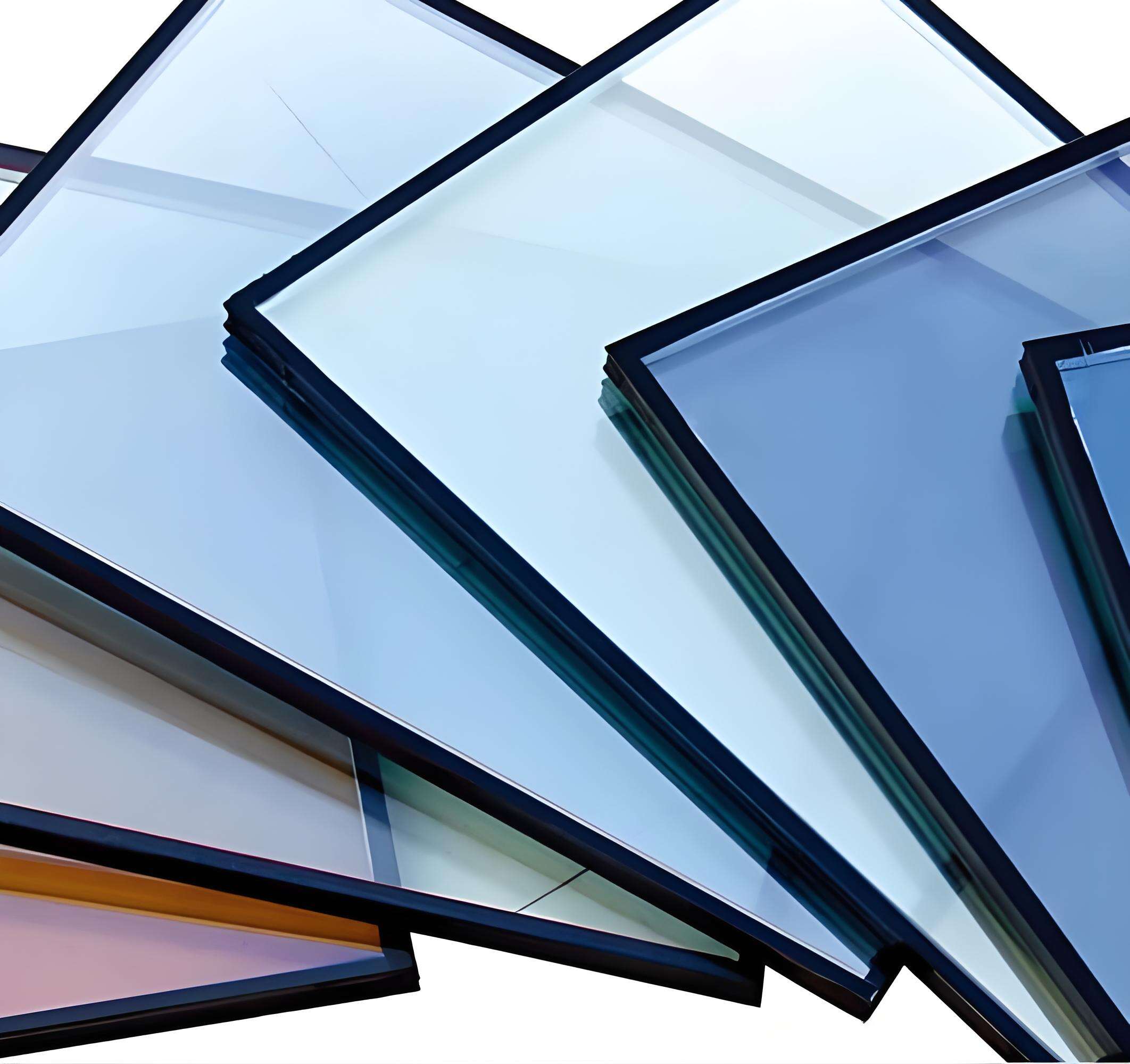
תעשיית הבנייה והעיצוב הפנים המודרנית עשתה התקדמות מרשים בטכנולוגיית הזכוכית, כאשר זכוכית מוגנת הופכת לחומר מרכזי הן ליישומים דירות והן מסחריים. מוצר הזכוכית המתמחה הזה מציע מאפיינים ייחודיים של ביטחון ובטיחות שהופכים אותו לבחירה המועדפת לגדרות אמבטיה, שולחנות ורכיבים ארכיטקטוניים שונים. הכרת היתרונות הבטיחותיים של זכוכית מוגנת היא חיונית לארכיטקטים, קבלנים ובני בתים שמבקשים לשלב גם יכולת פונקציונליות וגם הגנה בהחלטות העיצוב שלהם.
הכרת תהליך הייצור והבסיס הבטיחותי
טכנולוגיית עיבוד חום
היתרונות הבטיחותיים של זכוכית מחוסנת מתחילים בתהליך הייצור הייחודי שלה, שמערב להסיג זכוכית רגילה טיפול תרמי מבוקר. במהלך הייצור, מתחממים את הזכוכית לערך 650 מעלות צלזיוס ואז מקררים במהירות באמצעות זיקופי אויר קר. תהליך זה יוצר לחץ כפיפה על פני השטח, תוך שמירה על מתח מתיחה בפנים, ונותן מוצר החזק פי ארבעה עד חמישה מזכוכית רגילה. תהליך החיזוק התרמי משנה באופן בסיסי את המבנה המולקולרי, ומייצר חומר שמגיב אחרת בפני פגיעה ומתח.
טכניקת הייצור הזו מבטיחה שזכוכית מאולתרת שומרת על תכונות חוזק עקביות לאורך כל המבנה שלה. תהליך הקירור המנוהל מסיר נקודות חלש ומתחים פנימיים השנמצאים לרוב במוצרי זכוכית סטנדרטיים. בעלי מקצוע בתחום הזכוכית ובוחני בטיחות מכירים בכך שהאינטגרציה המובנית המשופרת הופכת את הזכוכית המאלתרת לרכיב חיוני ביישומים שבהם הבטיחות של האדם היא בעלת חשיבות עליונה, במיוחד בהתקנות דouch ובחומרי ריהוט.
בקרה איכותית וסטנדרטים בטיחותיים
מתקני ייצור מיישמים אמצעי בקרת איכות מחמירים כדי להבטיח שכל חתיכת זכוכית מאומצת עומדת בסטנדרטים הבינלאומיים לבטיחות. פרוטוקולים אלו כוללים בדיקות מתח, אימות ממדים וاجراءי בדיקה של פני השטח שמאמתים את היכולת של הזכוכית לעמוד בתנאים סביבתיים שונים. תקנים תעשייתיים כגון ANSI Z97.1 ו-CPSC 16 CFR 1201 מגדירים קריטריונים ביצועים ספציפיים שעליהם על זכוכית מאומגת לעמוד לפני קבלת אישור בטיחות.
תהליך האישור כולל בחינת חתיכות דגימה לاختبارי מכה לפי הליכים סטנדרטיים שמדמים תנאים מהעולם האמיתי. מתקני בדיקה מעריכים את עמידות הזכוכית בפני הלם תרמי, לחצי מכני וגורמים סביבתיים העלולים לפגוע בביצועי הבטיחות שלה. גישה מקיפה זו מבטיחה que הצרכנים מקבלים מוצרים שמספקים באופן עקבי את יתרונות הבטיחות המובטחים לאורך כל מחזור החיים התפעולי שלהם.
עמידות בפני מכה ומאפייני ביטחון מפני שבר
מאפייני חוזק מתקדמים
אחת ההטבות הבטחוניות החשובות ביותר של זכוכית מחוסמת היא העמידות היוצאת דופן שלה בפני מכות, מה שמפחית בצורה דרמטית את הסיכוי לשבר במהלך שימוש רגיל. תהליך הטיפול החום יוצר לחץ משטחי המאפשר לחומר לספוג ולפזר את אנרגיית המכה בכל מבנה הזכוכית, במקום לרכז מתח בנקודת המגע. מאפיין זה הופך זכוכית מתמPERTHה למותאם במיוחד ליישומים שבהם ייתכן קשר לא רצוי.
בדיקות חוזרות ומוכיחות שזכוכית מחוממת עמידה בפני מכה שסבירה לה שישבר זכוכית רגילה. עמידות זו תורמת ישירות לבטיחות התושבים במבנה, ומקטינה את הסיכון לפציעה עקב שבירת הזכוכית. היכולת של החומר לשמור על שלמות מבנית תחת לחץ הופכת אותו לבחירה אידיאלית לדלתות מקלחת, שבהן שימוש יומיומי ופיזור אפשרי עם עצמים קשיחים דורשים רמה מקסימלית של ביטחון.
דפוס שבירת בטיחות
כשזכוכית מחוממת מגיעה לנקודת השבירה שלה, היא מציגה דפוס שבירת ייחודי שמפחית בצורה משמעותית את סיכון הפציעה בהשוואה לזכוכית רגילה. במקום ליצור רסיסים גדולים וחדים שעלולים לגרום לפצעי חתך חמורים, הזכוכית המחוממת נשברת לгранולות קטנות יחסית וחסרות נזק שפחות סבירות לגרום לפציעה חמורה. מאפיין השבירה הזה הוא תוצאה של ההתפלגות הפנימית של מתחים שנוצרת בתהליך החימום.
גודל החלקים הקטנים והפינות המעוגלות של זכוכית מחוזקת שבורת מספקים יתרון ביטחוני חשוב בסביבות שבהן אנשים עלולים להתחבר ישירות לחומר. רופאי חדר מיון ומומחי ביטחון מדווחים באופן עקבי על פחות פציעות חמורות כאשר זכוכית מחוזקת מעורבת בתאונות, בהשוואה למקרים הכוללים מוצרים מזכוכית רגילה. תכונת הביטחון הזו הפכה את הזכוכית המחוזקת להכרחית באפליקציות רבות בבנייה שבהן הביטחון האנושי הוא עניין ראשי.
בטיחות תרמית ועמידות סביבתית
סבילות להפרש טמפרטורה
זכוכית מחוסנת מציגה מאפייני בטיחות תרמית יוצאי דופן, что makes אותה מתאימה לשימושים הכוללים הבדלי טמפרטורה, כגון קירות מקלחת שבהם מים חמים יוצרים שינויי טמפרטורה מהירים. החומר מסוגל לעמוד בהבדלי טמפרטורה של עד 200 מעלות פרנהייט ללא כשל вследствие מתח תרמי. עמידות זו במטושטשת מונעת מצבים מסוכנים שבהם שינויי טמפרטורה מהירים יכולים לגרום לזכוכית לסתוע או להישבר באופן לא צפוי.
סביבות חדרי אמבטיה מייצרות אתגרים תרמיים ייחודיים עקב אדים, מים חמים והבדלי טמפרטורה משתנים במהלך היום. מוצרים מזכוכית רגילה עלולים לפתח סדקים ממתח או להיכשל לחלוטין בתנאים אלו, מה שמייצר סיכונים לבטיחות המשתמשים. היציבות התרמית של הזכוכית המחוסנת מבטיחה ביצועים עקביים ללא תלות בשינויי הטמפרטורה הסביבתית, ומספקת הגנה אמינה ביישומים קשים.
עמידות בפני לחות ולחות
הטיפול במשטח הקיים בתהליך הייצור של זכוכית מחוממת יוצר עמידות מוגברת לחדירת רטיבות ולניזוקים הקשורים לחום. מאפיין זה מונע את היווצרות חולשות מבניות שיכולות לפגוע בסיכון לאורך זמן. כשל זכוכית הנובע מהumidity מהווה דאגה משמעותית ביישומים של חדרי אמבטיה ומטבחים, שבהם רמות החום גבוהות הן שכיחות.
חשיפה ארוכת טווח לרטיבות יכולה לגרום לתפרים מיקרוסקופיים בזכוכית רגילה שמאחלים בהדרגה את שלמותה המבנית של החומר. זכוכית מחוממת שומרת על מאפייני הבטיחות שלה גם לאחר שנים של חשיפה לסביבות לחות, ומבטיחה שהביצועים הבטיחותיים לא יידרדרו עם הזמן. גורם העמידות הזה הופך את הזכוכית המחוממת להשקעה מצוינת ביישומים הדורשים אמינות ארוכת טווח וביטחון בטיחותי.
בטיחות ההתקנה והתאמה לתקנות
דרישות תכנית בניין
תקנות בנייה מודרניות דורשות במפורש את השימוש בשישא מעושן ביישומים שבהם נדרש זכוכית בטיחות, כולל דלתות מקלחת, סגירות 용 для האמבטיה וapplications בפריטי רהיטים. תקנות אלו מכירות בתכונות הבטיחות המופעלות של השישא המעושן וקובעות תקני ביצוע מינימליים שחייבים להתקיים כדי לעמוד בדרישות התקנות. קוד הבנייה הבינלאומי (IBC) והרשויות המקומיות לבנייה דורשים זכוכית בטיחות באיזורים שבהם קיימת סבירות לפגיעת אדם.
הציות לתקנות אלה מבטיח לא רק את ביטחון התושבים, אלא גם מגן על בעלי הנכסים מפני בעיות אחריות שעשויות להיגרם מפציעות עקב זכוכית. חברות ביטוח דורשות לעתים קרובות עמידה בתקני זכוכית בטיחות כشرط לביטוח, מה שהופך את בחירת הזכוכית המאומתת להשקפה הן של ביטחון והן כלכלית. ארכיטקטים וקבלנים מקצועיים מציינים באופן שגרתי זכוכית מאומתת כדי לעמוד בדרישות רגולטוריות אלו.
היבטים להתחשב בהםbij התקנת מקצוענים
התקנת זכוכית מחוסנת דורשת ידע וטכניקות מיוחדות כדי לשמור על תכונות הבטיחות שלה לאורך כל תהליך ההרכבה. בעלי מקצוע בתחום הזכוכית מבינים את חשיבות התמיכה הנכונה בקצוות, שיטות החיזוק המתאימות והתחשבות בהתרחבות תרמית כדי למנוע ריכוזי מאמצים שעלולים לפגוע בבטיחות. התקנה לא נכונה עלולה לבטל את היתרונות הבטיחותיים שמספקת זכוכית מחוסנת.
שיטות התקנה איכותיות כוללות שימוש בחיבורים, חותמים וציוד הרכבה מתאימים שתוכננו במיוחד ליישומי זכוכית מחוסנת. רכיבים אלו פועלים יחד כדי להפיץ מטענים באופן אחיד ולמנוע מלחיצות נקודתיות שעלולות להוביל לכשל. התקנה מקצועית מבטיחה כי הפוטנציאל הבטיחותי המלא של הזכוכית המחוסנת יושג ביישום הסופי.
ניתוח השוואתי של בטיחות ויישומים
יתרונות בטיחות בסורגי אמבטיה
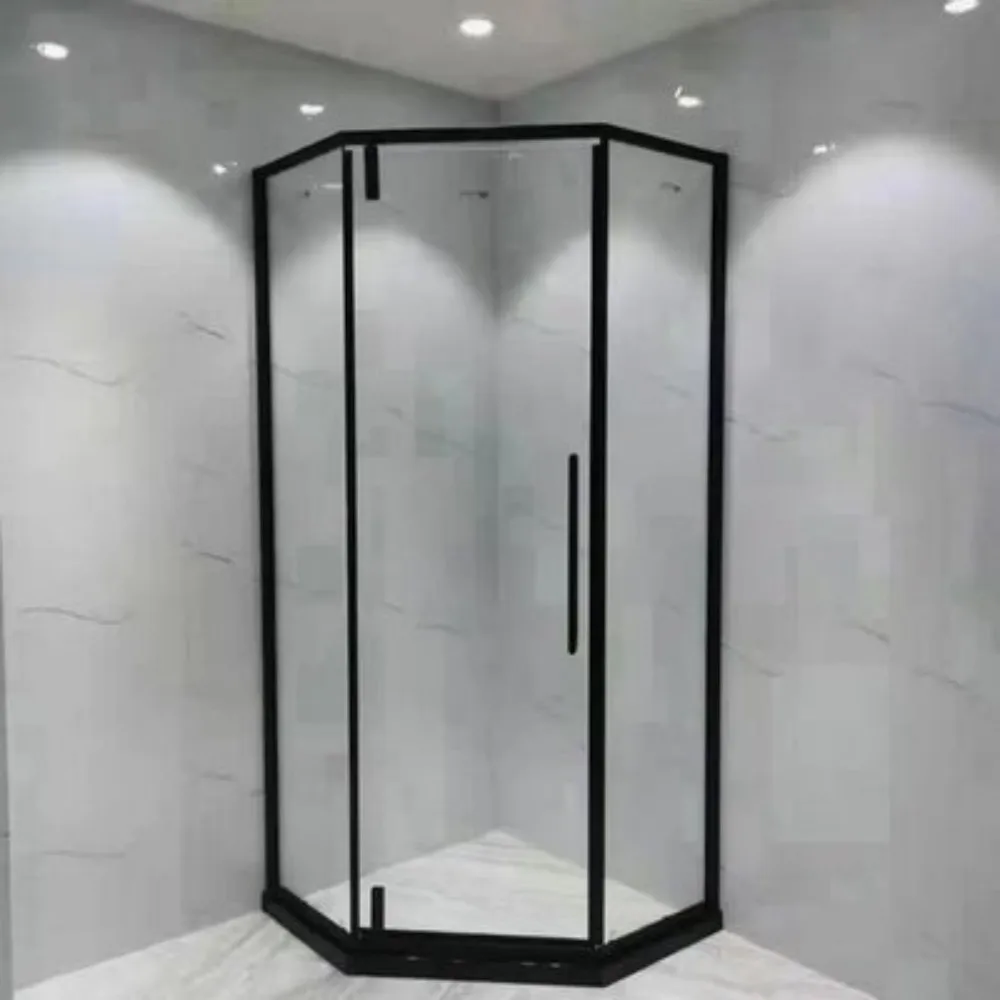
קירות מחיצה ליישומים של מקלחות מייצגים אחת מהיישומים הקריטיים ביותר עבור זכוכית ממוגנת, בשל שילוב הרטיבות, שינויי הטמפרטורה והסיכון לפגיעת אדם. היתרונות הבטיחותיים של זכוכית ממוגנת ביישומים אלו כוללים עמידות גבוהה יותר בפני פגיעה, מאפייני שבירה בטוחים ועמידות לטווח ארוך בתנאי סביבה קשים. יתרונות אלו הופכים את הזכוכית הממוגנת לבחירה הסטנדרטית להתקנות מקלחת מודרניות.
ניתוח סטטיסטי של פגיעות בבathrooms מראה על קצב נמוך בהרבה של תקריות במבנים המשתמשים בשערי מקלחת מזכוכית ממוגנת, בהשוואה לאלה המשתמשים בזجاج רגיל או חומרים חלופיים. שילוב העוצמה עם מאפייני כשל בטוחים מספק שכבות מגן מרובות למשתמשים. ביצועי הבטיחות הללו הובילו לאמצה רחבה של זכוכית ממוגנת ביישומי מקלחת מגורים ומסחריים.
יישומים לשולחנות וריהוט
משטחי זכוכית וריהוט מהווים שיפור ביחס לתכונות הבטיחות של זכוכית מאומצת, במיוחד בסביבות בהן נוכחים ילדים או מבוגרים. התנגדות החומר להשפעה ודפוס השבירה הבטוח מספקים הגנה חיונית מפני פגיעות שיכולות לנבוע ממגע לא רצוי או מפלי עצמים. תכונות הבטיחות הללו הופכות את הזכוכית המאומצת לבחירה אידיאלית לשולחנות אוכל, שולחנות קפה ומשטחי שולחנות עבודה.
יישומים מסחריים כגון מסעדות, משרדים ומרחבי קמעונאות סומכים על ריהוט מזכוכית מאומתת כדי לשמור על תקני בטיחות תוך כדי שמציעים מראה אסתטי. היכולת של החומר לעמוד בשימוש יומיומי ובמקרים של השפעות מזדמנות מבלי לפגוע בבטיחות, הופכת אותו לבחירה מעשית לסביבות עם תנועה גבוהה. בעלי עסקים מעריכים את הפחתת החשיפה לנזקים הנובעת משימוש במוצרי זכוכית בטיחות מוסברים כראוי.
שאלות נפוצות
איך מתנהגת זכוכית מאומתת ביחס לזכוכית מקושרת במונחי בטיחות?
זכוכית מחוסנת וזכוכית משולבת מציעות יתרונות ביטחוניים שונים בהתאם ליישום. הזכוכית המחוסנת מספקת עמידות מרשימה בפני תקיעות ונשברת לחתיכות קטנות וחסרות סכנה כאשר היא נשברת. הזכוכית המשולבת נשארת שלמה גם כשנפגעת, הודות לשכבה הבינונית שלה, ולכן מתאימה ליישומים שבהם חשוב שהזכוכית תישאר במקום. עבור דליפות אמבטיה ושולחנות, נוטה להעדיף זכוכית מחוסנת בשל עוצמתה וההתפרקות הבטוחה שלה.
האם ניתן לגזור או לשנות זכוכית מחוסנת לאחר הייצור?
לא ניתן לגזור, לנקב או לשנות זכוכית מחוסנת לאחר תהליך החיזוק מבלי להרוס את מאפייני הבטיחות שלה. כל שינוי יגרום לזכוכית להתפצל מיידית לחתיכות קטנות. כל גזירים, חורים ועיבוד שוליים חייבים להסתיים לפני תהליך החיזוק. דרישה זו מדגישה את חשיבות המדידה המדויקת והתכנון המוקפד ביישומי זכוכית מחוסנת.
איזו תחזוקה נדרשת לשימור מאפייני הבטיחות של זכוכית מחוממת?
לזכוכית מחוממת נדרשת תחזוקה מינימלית כדי לשמור על מאפייני הבטיחות שלה. ניקוי רגיל באמצעותمنظלי זכוכית מתאימים ובד רך שומר על הראות והמראה. יש להימנע מהשפעת עצמים קשיחים ולמנוע הפרשי טמפרטורה קיצוניים, כדי להבטיח ביצועים לאורך זמן. בדיקה תקופתית של ציוד ההרכבה וחיבורי החותם מבטיחה שההתקנה נשארת בטוחה ומשדרגת ביצועי בטיחות אופטימליים.
האם קיימות מגבלות או חסרונות בשימוש בזכוכית מחוממת?
בעוד זכוכית מאומצת מציעה יתרונות ביטחוניים משמעותיים, יש לה גם מספר מגבלות. החומר יקר יותר מזכוכית רגילה ולא ניתן לשינוי לאחר האימוץ. במקרים נדירים, עשויה להתרחש שבריות ספונטנית עקב הימצאות כלוריד ניקל, אם כי סיכון זה ממוזער באמצעות תהליכי בקרת איכות. על אף שיקולים אלה, היתרונות הביטחוניים של זכוכית מאומצת לרוב מ outweigh את המגבלות ברוב היישומים שבהם נדרשת זכוכית ביטחונית.