EN
EN

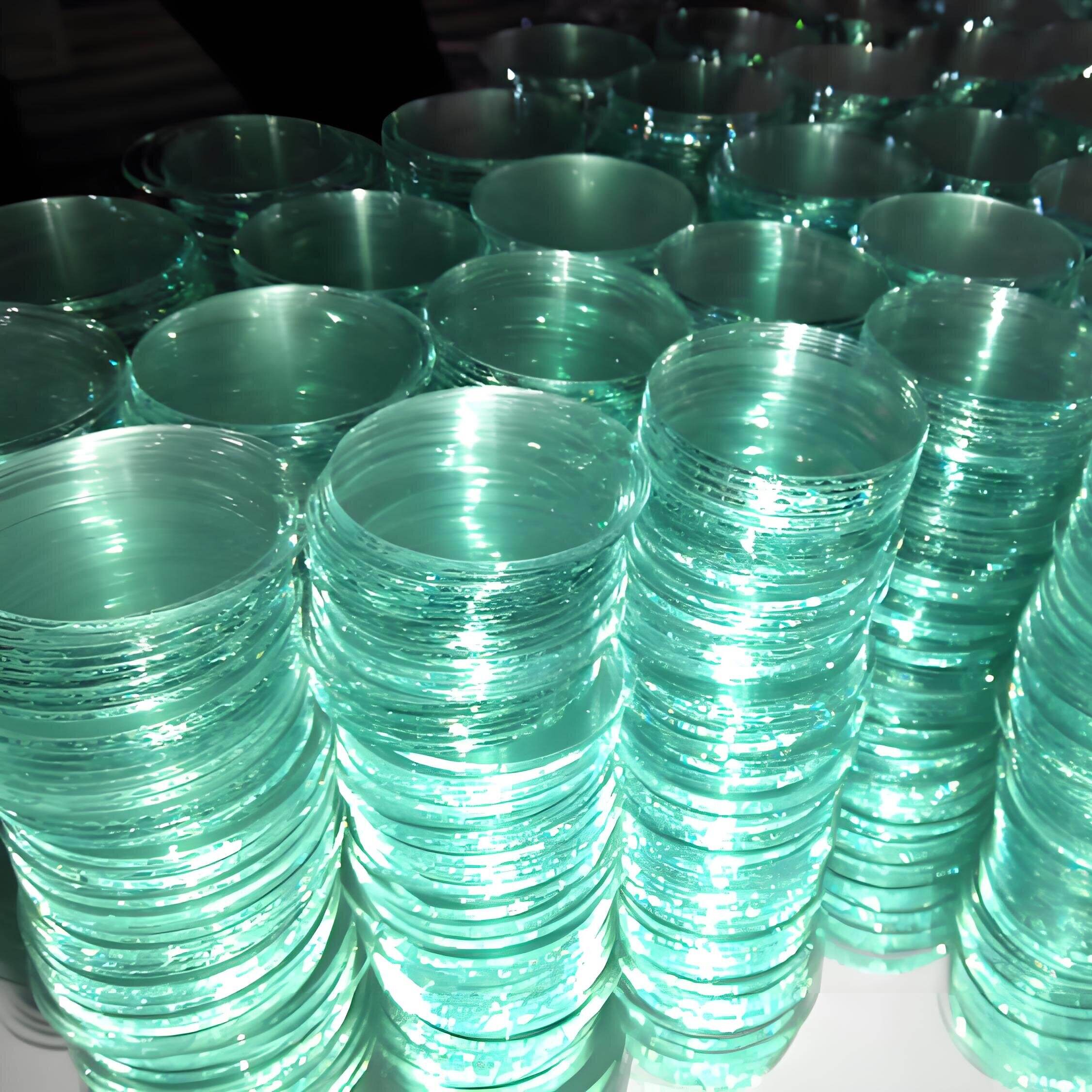
Ժամանակակից ճարտարապետական դիզայնը պահանջում է բարդ ապակու լուծումներ, որոնք հավասարակշռում են էսթետիկան, կատարողականությունը և կայունությունը: կառուցական վիտրա ժամանակակից շենքերի համար ճարտարապետները և ինժեներները պետք է զգույշ վերլուծեն մի շարք գործոններ, ներառյալ արևի ճառագայթների վերահսկման հնարավորությունները, ձայնային մեկուսացման հատկությունները, կոնստրուկտիվ ամրությունը և երկարաժամկետ մաշվածություն։ Այս հանգամանքները հասկանալով՝ հնարավոր է ապահովել շենքի օպտիմալ աշխատանքը՝ համապատասխանելով ինչպես կանոնակարգող նորմերին, այնպես էլ օգտագործողների հարմարավետության չափանիշներին։
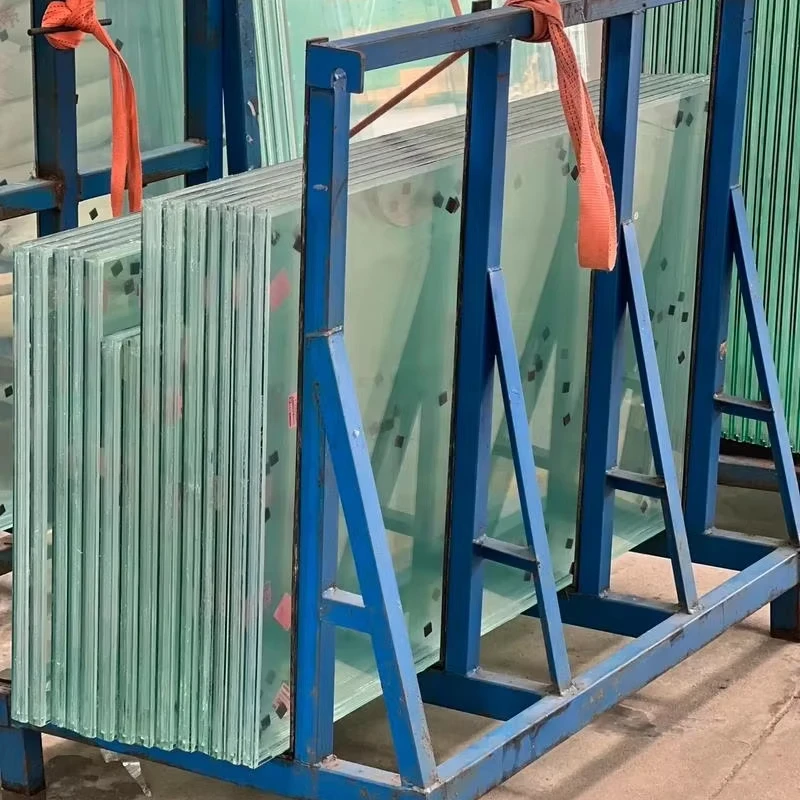
Շենքերում ապակու աշխատանքային հատկությունների հասկացություն
Ջերմային աշխատանքը և արևային ջերմության մտցման գործակից
Ճարտարապետական ապակու ջերմային աշխատանքը ուղղակիորեն ազդում է շենքի էներգաարդյունավետության և ներկայիս հարմարավետության վրա։ Արևային ջերմության մտցման գործակիցը (SHGC) չափում է, թե որքան արևային ճառագայթում է անցնում ապակու միջով, ինչը ազդում է սառեցման բեռի և ներքին ջերմաստիճանի վրա։ Լամինացված ապակու վրա տեղադրված ցածր էմիսիայով (Low-E) ծածկույթները կարող են զգալիորեն նվազեցնել SHGC-ն՝ պահպանելով տեսանելի լույսի անցկացումը։ Սա կարևոր է հարմարավետ ներքին միջավայր ստեղծելու համար՝ առանց բնական լուսավորության վրա ազդելու։
Ճշգրիտ ջերմային կատարողականի գնահատման համար անհրաժեշտ է հասկանալ U-արժեքի և SHGC-ի փոխհարաբերությունը: Եթե U-արժեքը ցույց է տալիս, թե ինչպես է ապակին կանխում ջերմության կորուստը, ապա SHGC-ն կենտրոնանում է արևային ջերմության կուտակման վրա: Բարձր կատարողականության շերտավոր ապակու համակարգերը կարող են հասնել U-արժեքի՝ 0,20-ի չափով, միաժամանակ պահպանելով SHGC-ի համապատասխան մակարդակները տարբեր կլիմայական գոտիների և շենքերի կողմնորոշման համար:
Տեսանելի լույսի անցկացում և առօրյա լուսավորության կառավարում
Տեսանելի լույսի անցկացումը (VLT) որոշում է, թե որքան բնական լույս է ներթափանցում շենքի մեջ ապակու համակարգի միջոցով: VLT-ի օպտիմալ մակարդակները տարբերվում են՝ կախված շենքի նշանակությունից, աշխարհագրական դիրքից և ճարտարապետական դիզայնի նպատակներից: Առևտրային շենքերը սովորաբար պահանջում են 40-70% VLT մակարդակներ՝ առավելագույնի հասցնելով առօրյա լուսավորությունը՝ նվազագույնի հասցնելով փայլատեսությունն ու ջերմության կուտակումը: Շերտավոր ապակու կոնֆիգուրացիաները կարող են նախագծվել՝ հասնելու հստակ VLT նպատակների՝ հիմնվելով միջակա շերտի նյութերի և ծածկույթների զգոն ընտրության վրա:
Լամինացված ապակու առաջադեմ միջակապային տեխնոլոգիաները թույլ են տալիս ճարտարապետներին ճշգրտել լույսի անցկացման հատկությունները: Այս համակարգերը կարող են ներառել ֆոտոքրոմային կամ էլեկտրոքրոմային հատկություններ, որոնք ավտոմատ կերպով կարգավորում են թափանցիկությունը՝ կախված շրջակա միջավայրի պայմաններից: Այսպիսի դինամիկ ապակու լուծումները ապահովում են աննախադեպ վերահսկողություն ներքին լուսավորության պայմանների նկատմամբ՝ պահպանելով ավանդական լամինացված ապակու համակարգերի կառուցվածքային և անվտանգության առավելությունները:
Ձայնային մեկուսացման պահանջներ և ձայնի հաղորդանցման վերահսկում
Ձայնի հաղորդանցման դասակարգման միավորներ և կատարման ստանդարտներ
Ճարտարապետական ապակու ակուստիկ հատկությունները գնահատվում են՝ օգտագործելով ձայնի փոխանցման դաս (STC) ցուցանիշներ, որոնք ցույց են տալիս ապակու կոնստրուկցիաների ձայնի փոխանցումը ինչքան արդյունավետ են նվազեցնում: Քաղաքային շենքերի համար հաճախ անհրաժեշտ է 35-45 STC ցուցանիշներ ձայնի բավարար նվազեցման համար, իսկ հատուկ կիրառությունների դեպքում կարող է պահանջվել ավելի բարձր կարողություն: Պատուհանների ակուստիկ հատկությունները կախված են ապակու հաստությունից, միջակապի բաղադրությունից և ամբողջական կոնստրուկցիայի նախագծումից:
Ասիմետրիկ պատուհանների կոնֆիգուրացիաները, որոնք միջակապի յուրաքանչյուր կողմում տարբեր հաստության ապակի են օգտագործում, կարող են ավելի լավ ակուստիկ ցուցանիշներ ցուցադրել, քան սիմետրիկ կոնստրուկցիաները: Այս ասիմետրիան խաթարում է ձայնային ալիքների ռեզոնանսային օրինակները և արդյունավետորեն նվազեցնում է ձայնի փոխանցումը ավելի լայն հաճախադրույքային միջակայքում: Մասնագիտացած ակուստիկ ինժեներները հաճախ այս կոնֆիգուրացիաներն են նշանակում բարձր աղմուկի միջավայրում գտնվող շենքերի կամ բարձրացված մասնավորություն պահանջող կիրառությունների համար:
Հաճախադրույքային կոնկրետ աղմուկի նվազեցման ռազմավարություններ
Տարբեր աղմուկի աղբյուրներ պահանջում են թիրախավորված ակուստիկ լուծումներ: Ճանապարհային և շինարարական սարքավորումներից առաջացող ցածր հաճախադրույթների աղմուկը պահանջում է ավելի շատ բարձր հաճախադրույթների աղմուկի համար, քան օդանավերից կամ մեխանիկական համակարգերից առաջացողը: Մասնագիտացված ակուստիկ տանձավորված արկղ ներառում է բազմաթիվ միջակապեր՝ տարբեր ակուստիկ հատկություններով, որոնք արդյունավետ են հատուկ հաճախադրույթների շրջանակներում:
Միջակապի նյութերի ընտրությունը կարևոր ազդեցություն է թողնում ակուստիկ կատարողականի վրա տարբեր հաճախադրույթների դեպքում: PVB միջակապերը ապահովում են հիանալի ընդհանուր նշանակության ակուստիկ ամրապնդում, մինչդեռ մասնագիտացված ակուստիկ միջակապերը կարող են ապահովել գերազանց կատարողական հատուկ հաճախադրույթների շրջանակներում: Շենքի շրջակա միջավայրի աղմուկի բնույթը հասկանալը կարևոր է լամինացված ապակու համակարգի ճիշտ ընտրության համար:
Կառուցվածքային անվտանգություն և անվտանգության համար համապատասխան դիմադրություն
Հարվածի դիմադրություն և մարդկային անվտանգության ստանդարտներ
Անվտանգության ապակու պահանջները սահմանում են, որ ճարտարապետական ապակին վտանգավոր գոտիներում պետք է համապատասխանի հարվածային դիմադրության սահմանված չափանիշներին: Պատվաստված ապակին ապահովում է բարձր անվտանգություն՝ պահպանելով կառուցվածքային ամբողջականությունը, նույնիսկ երբ այն ճեղքված է, և կանխում է վտանգավոր ապակու շերտերի առաջացումը, որոնք կարող են վնաս հասցնել: Այս հատկանիշը պատվաստված ապակին դարձնում է անհրաժեշտ հատակից մինչև առաստաղ պատուհանների, մատույցների և բարձր տրաֆիկով գոտիներում ապակու համար:
Հարվածի թեստավորման չափանիշները, ինչպիսիք են CPSC 16 CFR 1201-ը և ANSI Z97.1-ը, սահմանում են անվտանգության ապակու նվազագույն կատարման պահանջները: Այս չափանիշները գնահատում են, թե ինչպես է ապակին արձագանքում մարդու կողմից հարվածին տարբեր պայմաններում: Ճիշտ կոնստրուացված պատվաստված ապակու համակարգերը համա consistently գերազանցում են այս նվազագույն պահանջները՝ ապահովելով լրացուցիչ անվտանգության ամրապնդում շենքերում գտնվող անձանց և այցելուների համար:
Անվտանգության կիրառումներ և բռնաբարությամբ մուտքի դիմադրություն
Անվտանգությունը բարձրացված շերտավոր ապակին պաշտպանություն է ապահովում սպառնալիքների, վանդալիզմի և հրազենային սպառնալիքների դեմ: Բազմաթիվ միջակա շերտերի կոնֆիգուրացիաները ստեղծում են ավելի դիմադրուն խոչընդոտներ, որոնք կարող են դանդաղեցնել կամ կանխել անօրինական մուտքը: Կառավարական շենքերը, ֆինանսական հաստատությունները և բարձր անվտանգությամբ օժտված կառույցները հաճախ օգտագործում են բազմաշերտ շերտավոր ապակու համակարգեր, որոնք համապատասխանում են խիստ անվտանգության ստանդարտներին՝ պահպանելով ճարտարապետական էսթետիկան:
Անվտանգության համար նախատեսված ապակու ընտրությունը պահանջում է սպառնալիքների մակարդակի և պաշտպանության պահանջների զգույշ գնահատում: Տարբեր միջակա շերտերի հաստություններն ու կազմը տալիս են տարբեր մակարդակի դիմադրություն կտրման, փորման և հարվածային հարձակումների դեմ: Մասնագիտական անվտանգության գնահատումները օգնում են որոշել շերտավոր ապակու համապատասխան սպեցիֆիկացիաները՝ կիրառման կոնկրետ դեպքերի և ռիսկերի պրոֆիլների համար:
Կլիմայական համարժեքներ և շրջակա միջավայրի գործոններ
Ռեգիոնալ կլիմայական հարմարվողականության ռազմավարություններ
Երկրագիտական դիրքը զգալիորեն ազդում է ապակու ընտրման չափանիշների վրա: Տաք կլիմայում անհրաժեշտ է առավել ուշադրություն դարձնել արևի ճառագայթների վերահսկմանը և սառեցման բեռի կրճատմանը, իսկ ցուրտ կլիմայում՝ ջերմային մեկուսացմանը և խոնավության կոնդենսացիայի կանխարգելմանը: Ծովափնյա շրջակա միջավայրում պետք է հաշվի առնել աղի փոշու դիմադրությունը և ՈՒՖ ճառագայթների ազդեցությունը: Բազմաշերտ ապակու համակարգերը կարող են հարմարեցվել այդ տարածաշրջանային էկոլոգիական մարտահրավերներին՝ համապատասխան պատվաստումների և միջակապերի ընտրությամբ:
Քամու բեռի դիմադրությունը կարևոր է հրաբխային շրջաններում և բարձրահարկ շենքերի համար: Բազմաշերտ ապակին ավելի բարձր դիմադրություն է ցուցադրում քամու բեռի նկատմամբ՝ համեմատած նույն հաստության միաշերտ ապակու հետ: Այս բարձրացված կոնստրուկտիվ կատարողականությունը թույլ է տալիս ավելի մեծ ապակու մակերեսներ և ավելի համարձակ ճարտարապետական նախագծեր՝ պահպանելով անվտանգության և կատարողականության ստանդարտները:
Երկարաժամկետ տևողություն և սպասարկման պահանջներ
Ճարտարապետական ապակուցման համակարգերի ծառայողական ընթադարձը կախված է նյութի որակից, տեղադրման պրակտիկաներից և շրջակա միջավայրի ազդեցության պայմաններից: Բարձրորակ շերտավոր ապակին ճիշտ արտադրման և տեղադրման դեպքում կարող է պահպանել իր շահարկման բնութագրերը 25-30 տարի ընթադարձում: Դեգրադացման մեխանիզմները հասկանալով՝ ճարտարապետները կարող են ընտրել համապատասխան ապակուցման համակարգեր կոնկրետ կիրառությունների և միջավայրերի համար:
Ապակուցման տարբեր տեսակների համար սպասարկման պահանջները զգալիորեն տարբերվում են: Շերտավոր ապակին սովորաբար ավելի քիչ սպասարկում է պահանջում, քան բարդ բազմասալ համակարգերը, իր մոնոլիտային կառուցվածքի և ավելի քիչ հնարավոր անսարքությունների պատճառով: Պարբերական մաքրման և ստուգման գրաֆիկները օգնում են ապահովել երկարաժամկետ աշխատանքը և նախապես հայտնաբերել հնարավոր խնդիրները՝ մինչև դրանք վնասեն շենքի աշխատանքը:
Տեղադրման և Ինտեգրման Համար Համապատասխան Համարձակումներ
Ապակուցման համակարգի համատեղելիությունը և կոնստրուկտիվ պահանջները
Ապակուցման հաջող տեղադրումը պահանջում է ապակուցման մասնագիտացված համատեղերի, կոնստրուկտիվ ինժեներների և շենքի թաղանթի մասնագետների միջև զգույշ համաձայնեցում: Պատռված ապակու համակարգերը պետք է համատեղվեն վարագույրային պատերի հետ, կոնստրուկտիվ ապակուցման հանգույցների և կանխարգելման բաղադրիչների հետ: Ճիշտ կոնստրուկտիվ վերլուծությունը ապահովում է, որ ապակուցման բեռները փոխանցվում են շենքի կոնստրուկցիային՝ առանց վտանգելու աշխատանքային կարողությունը կամ անվտանգությունը:
Պատռված ապակու ջերմային ընդարձակման և սեղմման հատկությունները պետք է հաշվի առնվեն ճիշտ ապակուցման մանրամասների և կնիքավորող նյութերի ընտրությամբ: Տարբեր ապակիներն ու միջակապները ցուցադրում են տարբեր ջերմային ընդարձակման գործակիցներ, որոնք կարող են ազդել երկարաժամկետ աշխատանքային կարողության վրա, եթե դրանք ճիշտ չեն հաշվի առնվում նախագծման և տեղադրման փուլերում:
Որակի ապահովում և աշխատանքային կարողության ստուգում
Որակի վերահսկումը լամինացված ապակու համակարգերի արտադրության և տեղադրման ընթացքում ուղղակիորեն ազդում է դրանց երկարաժամկետ աշխատանքային ցուցանիշների վրա: Գործարանային որակի երաշխավորման ծրագրերը ապահովում են արտադրանքի համասեռ որակը և աշխատանքային բնութագրերը: Տեղադրված ապակեղենի դաշտային ստուգման և փորձարկման պրոտոկոլները հաստատում են, որ այն համապատասխանում է նշված աշխատանքային պահանջներին և տեղադրման ստանդարտներին:
Կատարված տեղադրումների աշխատանքային հատկությունների փորձարկումը օգնում է հաստատել նախագծային ենթադրությունները և հայտնաբերել հնարավոր խնդիրները շենքի բնակելիության առաջ: Ջերմային ընկալումը, ակուստիկ փորձարկումը և կոնստրուկտիվ բեռի փորձարկումը ապակու համակարգի աշխատանքի մասին տալիս են օբյեկտիվ հաստատում: Այս հաստատման գործընթացները երաշխավորում են, որ լամինացված ապակու տեղադրումները համապատասխանում են կամ ավելի քան համապատասխանում են նշված աշխատանքային չափանիշներին:
Ծախսերի վերլուծություն և արժեքի ինժեներական մոտեցում
Նախնական ծախսերի հաշվի առնում և բյուջեի պլանավորում
Բարձր կատարողականության շերտավոր ապակու համակարգերի սկզբնական արժեքը սովորաբար գերազանցում է հիմնական ապակու տարբերակների արժեքը: Սակայն կյանքի ցիկլի ծախսերի վերլուծությունը հաճախ ցույց է տալիս նշանակալի երկարաժամկետ արժեք՝ շնորհիվ էներգիայի սպառման կրճատման, պահպանման ավելի ցածր պահանջարկի և ավելի մեծ տևողականության: Նախագծի բյուջեները պետք է հաշվի առնեն ինչպես սկզբնական ապակու ծախսերը, այնպես էլ երկարաժամկետ շահագործման օգուտները՝ տարբեր տարբերակների գնահատման ժամանակ:
Արժեքի ինժեներական հնարավորություններ կան ապակու տեխնիկական պահանջների զգույշ օպտիմալացման միջոցով՝ առանց ավելցուկային ինժեներական լուծումների կիրառման: Ճարտարապետների, ինժեներների և ապակու մասնագետների համագործակցությունը կարող է նույնականացնել ծախսերի առումով արդյունավետ լուծումներ, որոնք պահպանում են կատարողականությունը՝ նվազեցնելով ընդհանուր նախագծի ծախսերը: Շերտավոր ապակու ռազմավարական ընտրությունը կարող է վերացնել լրացուցիչ շենքային համակարգերի կարիքը, ինչպիսիք են լրացուցիչ արևապաշտպանությունը կամ ձայնային մշակումը:
Ներդրման եկամտաբերություն և էներգախնայողության ներուժ
Էներգախնայող լամինացված ապակու համակարգերը կարող են զգալիորեն կրճատել շենքերի շահագործման ծախսերը՝ նվազեցնելով օդի տաքացման, սառեցման և փոխանակման համակարգերի բեռը և բարելավելով շենքում գտնվող մարդկանց հարմարավետությունը։ Այս էներգախնայողության չափման միջոցով հնարավոր է հիմնավորել բարձրակարգ ապակու ներդրումները՝ ցույց տալով ներդրման վերադարձի հաշվարկները։ Շատ բարձրակարգ ապակու համակարգեր իրենց արժեքը վերադարձնում են էներգախնայողության շնորհիվ 8-12 տարվա ընթացքում:
Լրացուցիչ արժեքի գործոններից են անշարժ գույքի արժեքի աճը, վարձակալների բավարարվածության բարելավումը և LEED սերտիֆիկացման հնարավոր միավորները։ Այս անուղղակի օգուտները հաճախ հիմնավորում են բարձրակարգ ապակու ներդրումները, նույնիսկ այն դեպքում, երբ միայն ուղղակի էներգախնայողությունը կարող է բավարար ֆինանսական հիմնավորում չապահովել։ Լամինացված ապակու ներդրումների գնահատման ընթացքում համապարփակ արժեքի վերլուծությունը հաշվի է առնում բոլոր հնարավոր օգուտները:
Հաճախ տրամադրվող հարցեր
Ինչո՞ւ է լամինացված ապակին ավելի լավ ակուստիկ մեկուսացում ապահովում ստանդարտ ապակու համեմատ
Շերտավոր ապակին շնորհիվ բազմաշերտ կառուցվածքի՝ ապակու թերթերի, որոնք միացված են ակուստիկ միջադիր նյութերով, ապահովում է գերազանց ձայնային մեկուսացում: Միջադիր նյութը թուլացնում է ձայնային թրթիռները և կանխում է ռեզոնանսի փոխանցումը, որն առաջանում է մոնոլիտ ապակու դեպքում: Այս կոնստրուկցիան կարող է STC հատկանիշ տալ 5-10 միավորով բարձր, քան նույն հաստության մոնոլիտ ապակին, ինչն այն դարձնում է գարշահամ միջավայրերի համար իդեալական՝ ինչպիսիք են հիվանդանոցները, դպրոցները և բնակելի շենքերը, որոնք գտնվում են բարդ ճանապարհների կամ օդանավակայանների մոտ:
Ինչպե՞ս է շերտավոր ապակին նպաստում արևի ճառագայթների վերահսկմանը առևտրային շենքերում
Շերտավոր ապակու համակարգերը ներառում են հատուկ ծածկույթներ և գունավորված միջադիր շերտեր, որոնք ընտրողաբար ֆիլտրում են արևային ճառագայթները: Ցածր էմիսիայով (Low-E) ծածկույթները արտացոլում են ինֆրակարմիր ջերմությունը՝ թույլ տալով տեսանելի լույսի անցումը, ինչը կրճատում է սառեցման ծանրաբեռնվածությունը մինչև 30%-ով համեմատած clear glass . Միջակեղնը կարող է նաև պարունակել ՈՒՖ ճառագայթները արգելափակող հատկություններ, որոնք պաշտպանում են ներքին սարքավորումները՝ պահպանելով բնական լուսավորությունը։ Այս ընտրողական արևային կառավարումը օգնում է շենքերին հասնել էներգահամարձակ արդյունավետության նպատակներին՝ միաժամանակ ապահովելով հարմարավետ ներքին միջավայր։
Ինչ անվտանգության առավելություններ է ապահովում շերտավոր ապակին պինդացված ապակու համեմատ
Չնայած պինդացված ապակին կոտրվելիս փոքր կտորների է բաժանվում, շերտավոր ապակին կոտրվելուց հետո էլ պահպանում է կառուցվածքային ամբողջականությունը՝ շնորհիվ իր միջակեղնի կապման։ Այս հատկանիշը կանխում է ապակու անջատումը բարձրադիր կիրառումներում և ապահովում է շարունակական եղանակային պաշտպանություն փոխարինման պահը հասնելու մինչև։ Շերտավոր ապակին նաև ավելի լավ անվտանգություն է ապահովում բռնի մուտքի և հարվածի դիմադրության դեմ հատկապես հարկային պատուհանների, մատույցների և հրանոցային կառուցումների համար, որտեղ կոտրվելուց հետո աշխատանքային կարողությունը կարևոր է։
Ինչպե՞ս պետք է շենքի կողմնորոշումը ազդի շերտավոր ապակու ընտրության վրա
Շենքի կողմնորոշումը զգալիորեն ազդում է արևային տաքացման և փայլատակումների օրվա ընթացքում: Հարավային ճակատների համար պահանջվում է շերտավոր ապակի՝ ցածր SHGC արժեքներով, որպեսզի նվազագույնի հասցվեն սառեցման բեռնվածությունները, իսկ հյուսիսային ապակուցման դեպքում կարող է առաջնություն տրվել ավելի բարձր VLT-ի՝ առավելագույն բնական լուսավորություն ապահովելու համար: Արևելյան և արևմտյան կողմերը ենթարկվում են ի հայտ ածված արևի անկյունների առավոտյան և ցերեկադեմին, որն անհրաժեշտ է հատուկ արևի վերահսկման միջոցառումներ: Շենքի յուրաքանչյուր կողմնորոշման համար շերտավոր ապակու համապատասխան տեխնիկական բնութագրեր ընտրելիս պետք է հաշվի առնել կլիմայական գոտին, լայնությունը և շրջակա խոչընդոտները:
Բովանդակության աղյուսակ
- Շենքերում ապակու աշխատանքային հատկությունների հասկացություն
- Ձայնային մեկուսացման պահանջներ և ձայնի հաղորդանցման վերահսկում
- Կառուցվածքային անվտանգություն և անվտանգության համար համապատասխան դիմադրություն
- Կլիմայական համարժեքներ և շրջակա միջավայրի գործոններ
- Տեղադրման և Ինտեգրման Համար Համապատասխան Համարձակումներ
- Ծախսերի վերլուծություն և արժեքի ինժեներական մոտեցում
-
Հաճախ տրամադրվող հարցեր
- Ինչո՞ւ է լամինացված ապակին ավելի լավ ակուստիկ մեկուսացում ապահովում ստանդարտ ապակու համեմատ
- Ինչպե՞ս է շերտավոր ապակին նպաստում արևի ճառագայթների վերահսկմանը առևտրային շենքերում
- Ինչ անվտանգության առավելություններ է ապահովում շերտավոր ապակին պինդացված ապակու համեմատ
- Ինչպե՞ս պետք է շենքի կողմնորոշումը ազդի շերտավոր ապակու ընտրության վրա