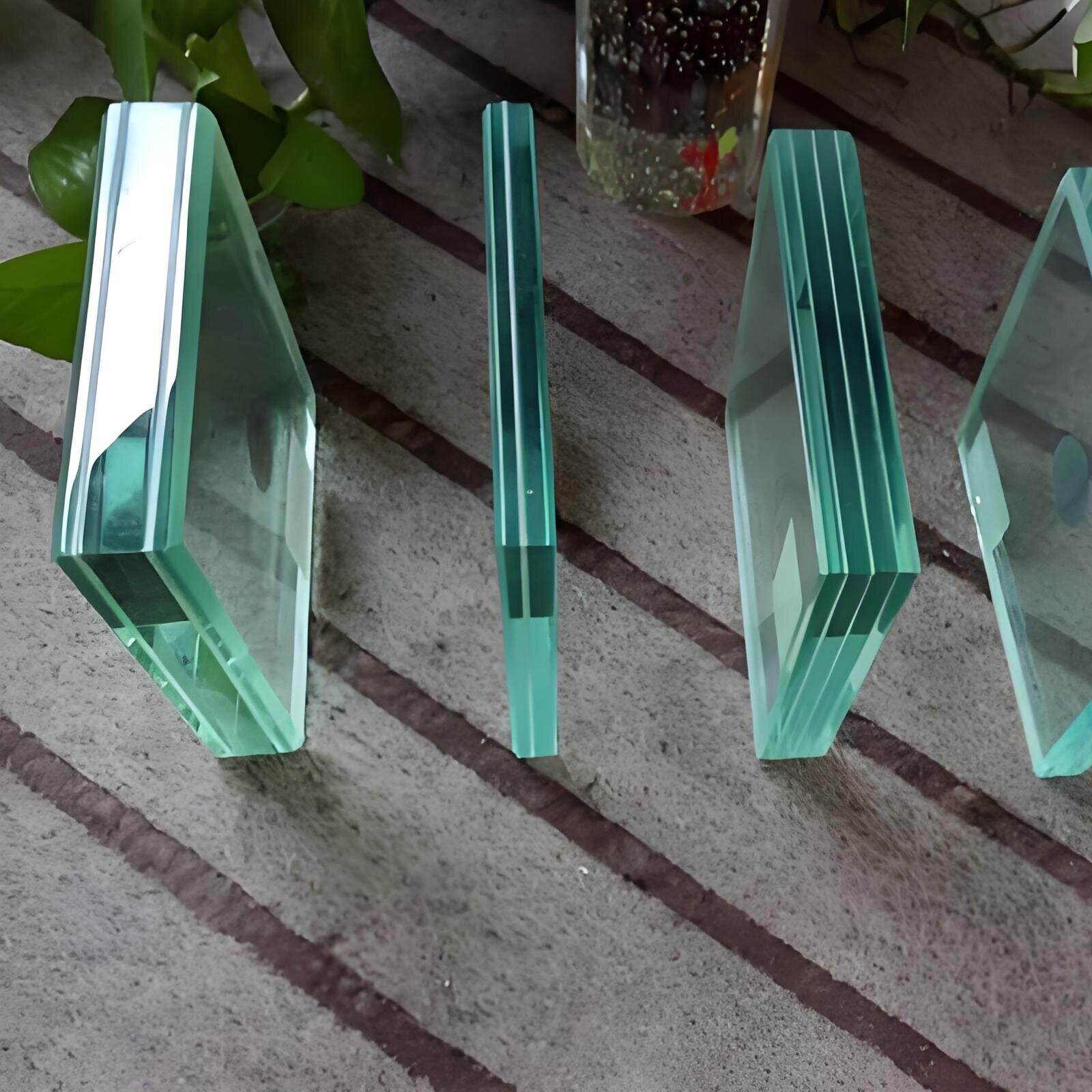
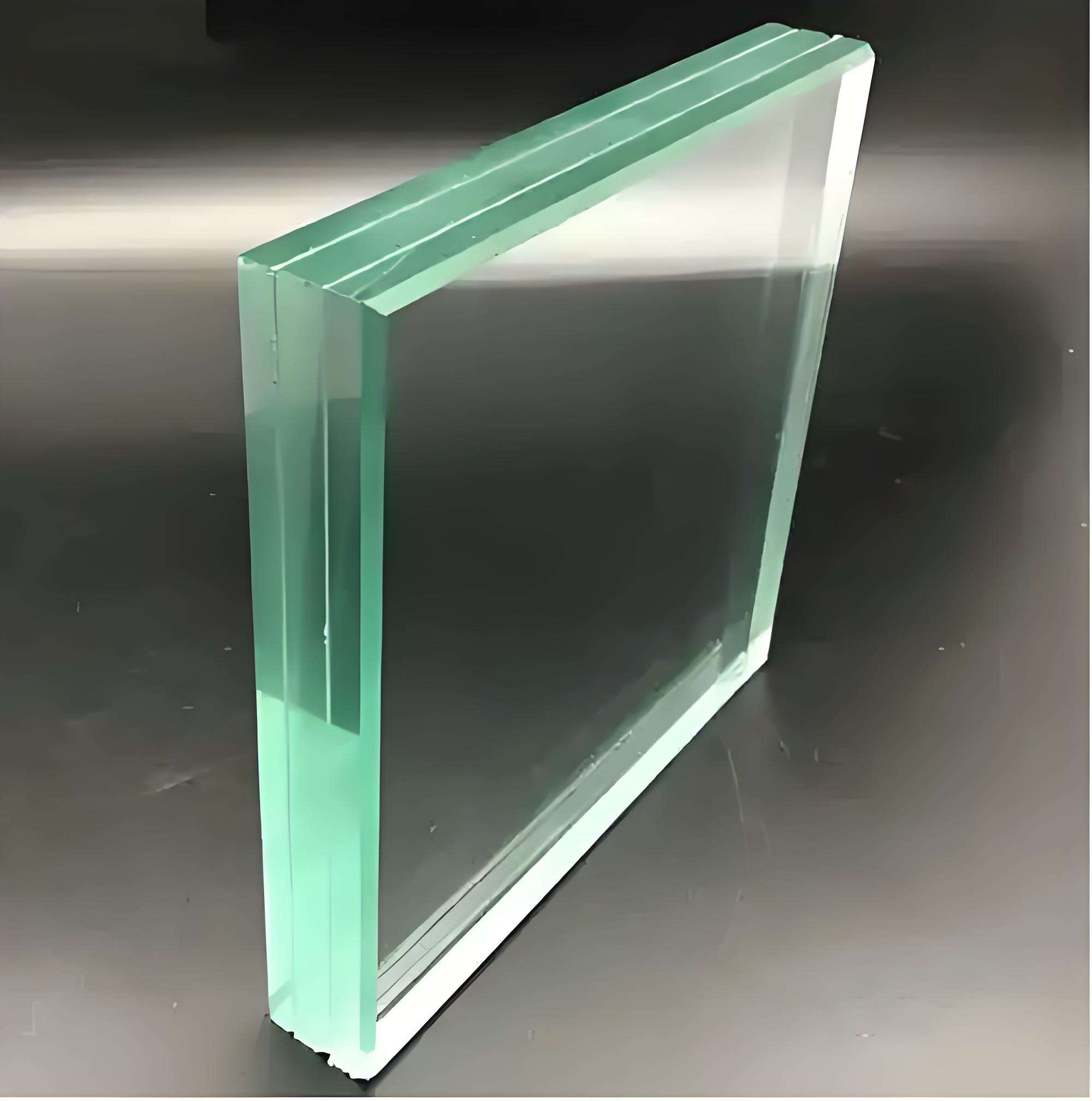
architectural laminated glass
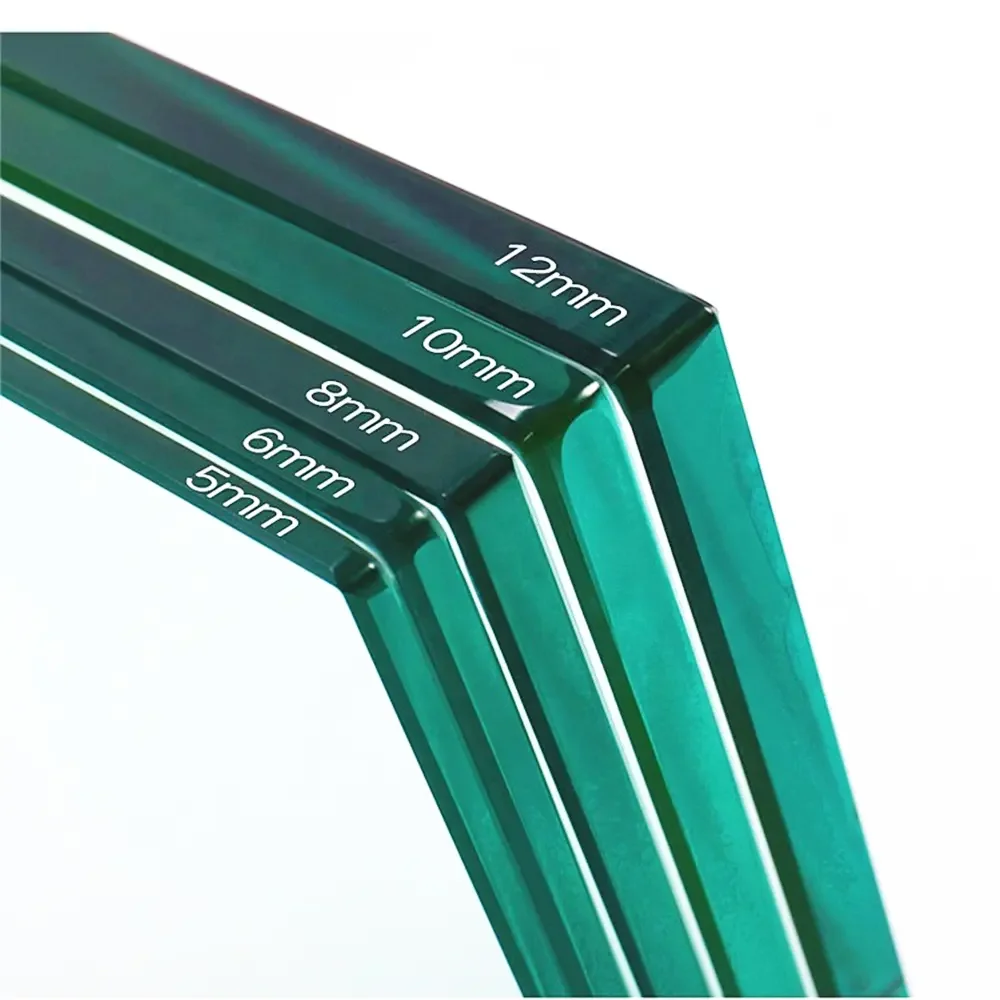
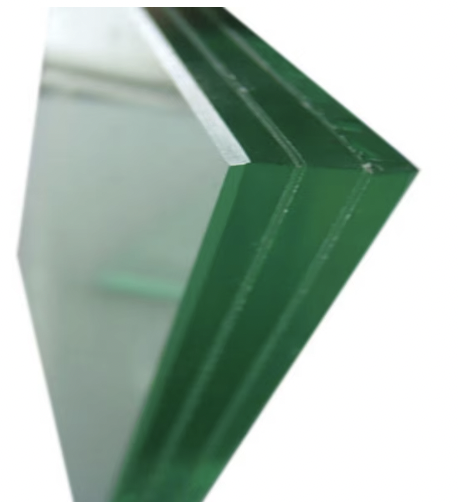
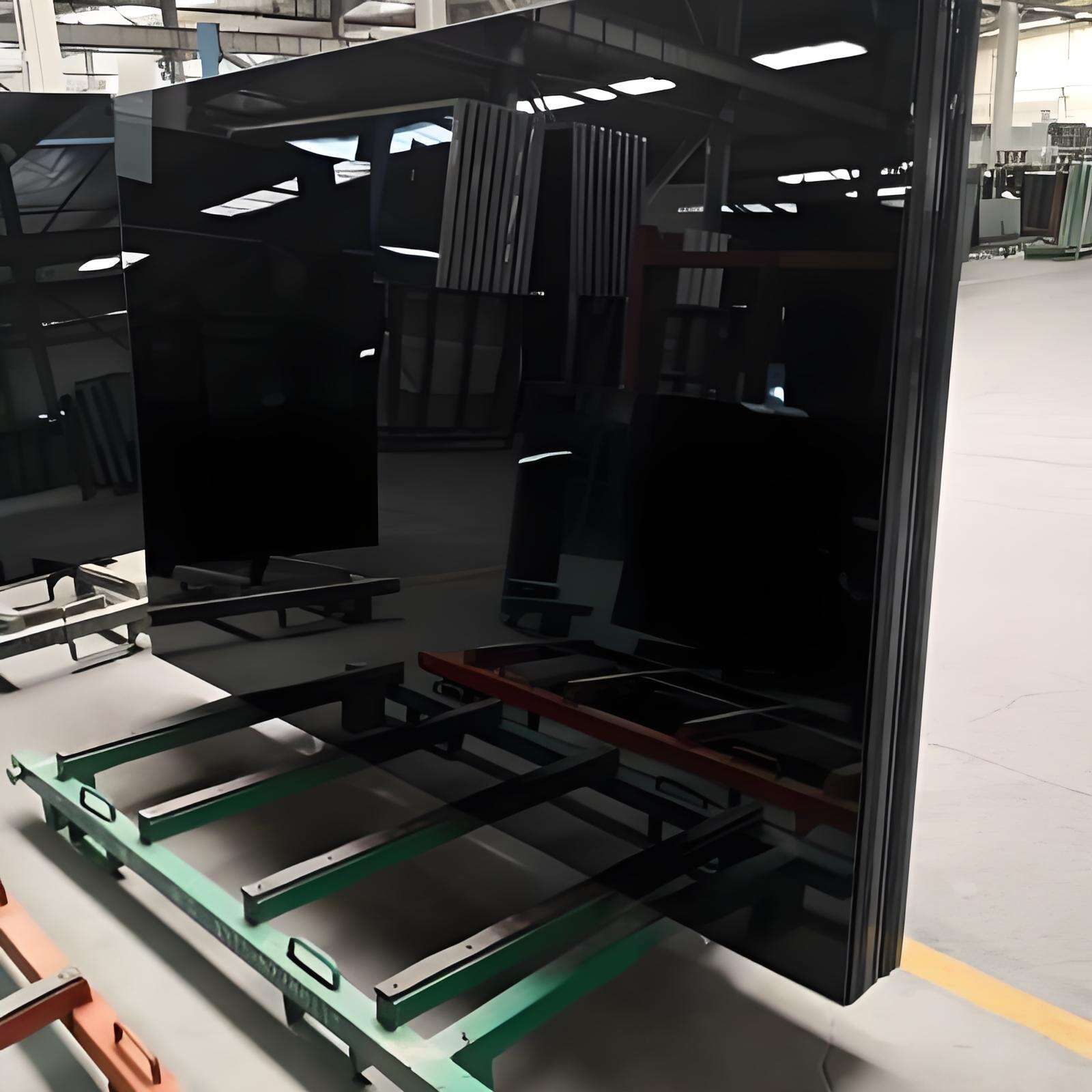
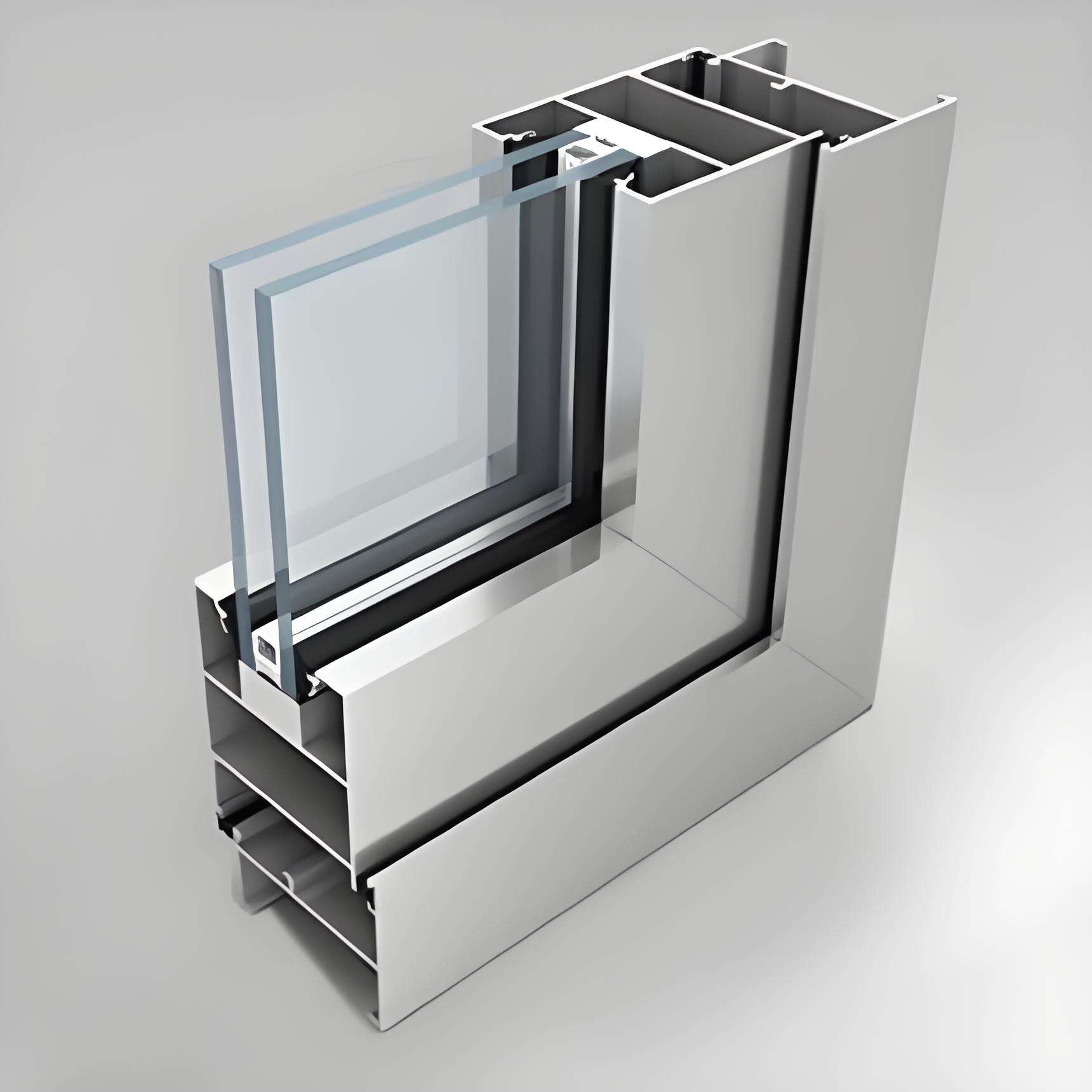
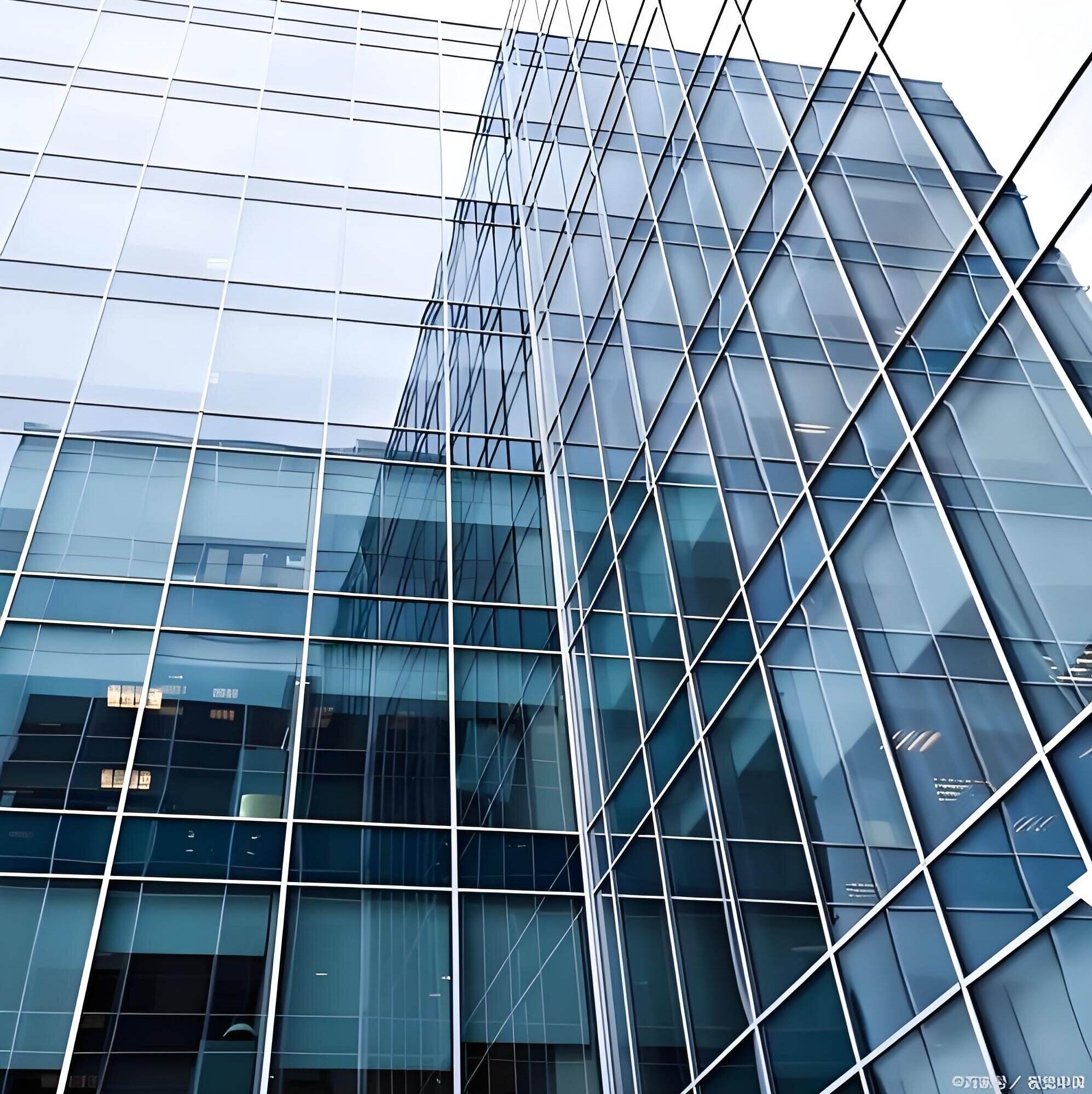
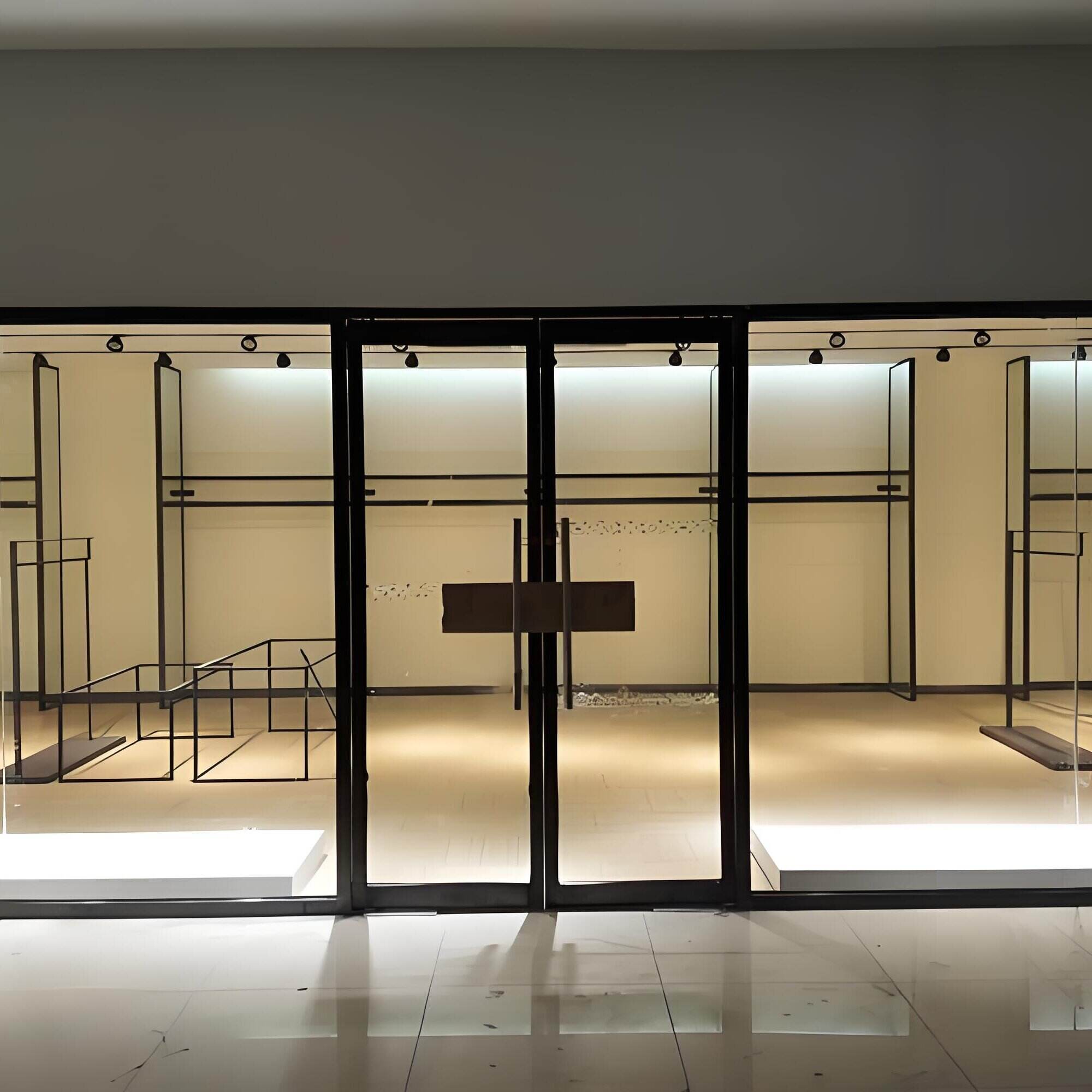
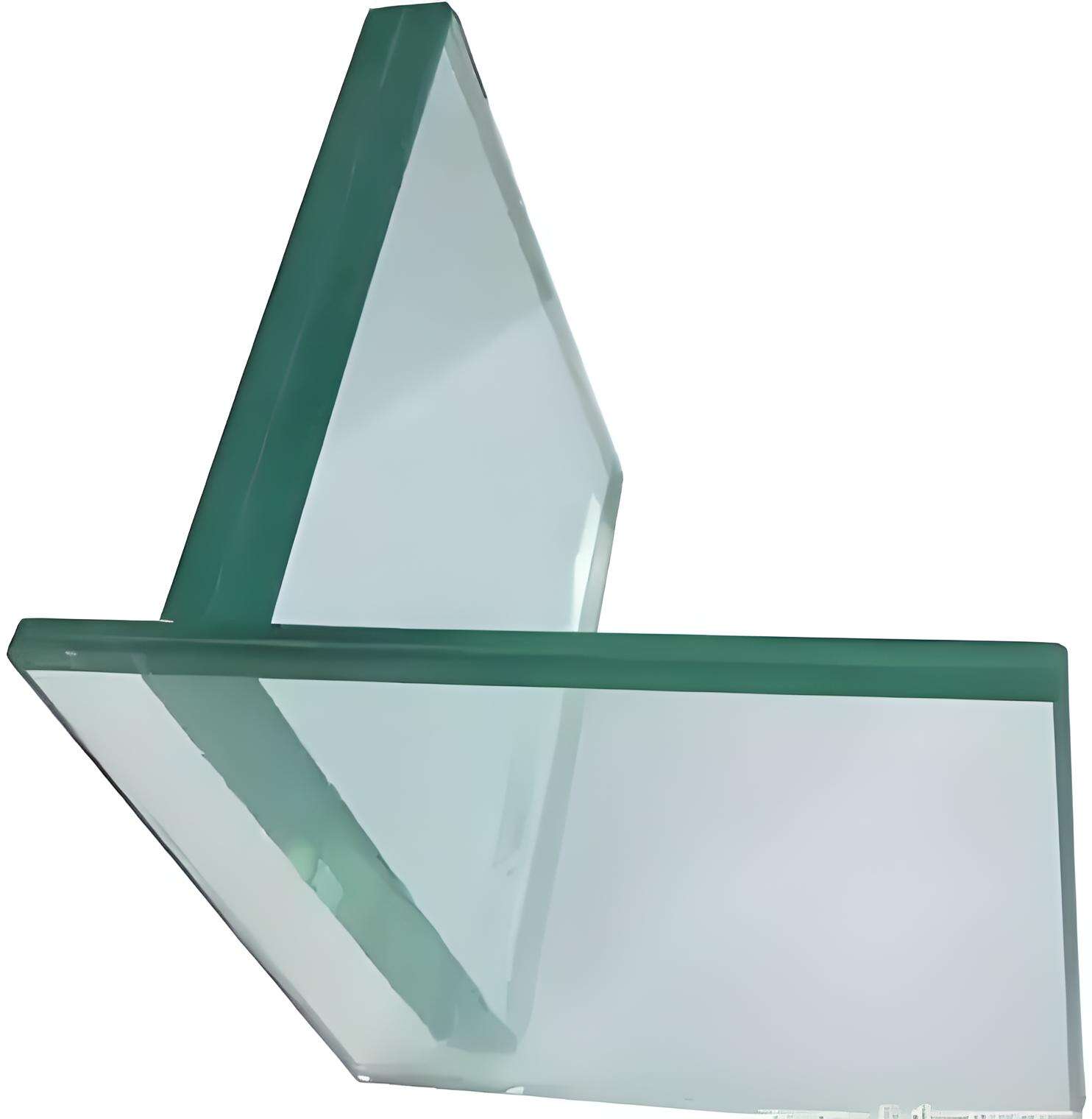
Architectural laminated glass is a sophisticated safety glazing material composed of two or more glass layers bonded together with interlayers, typically made from polyvinyl butyral (PVB) or ethylene-vinyl acetate (EVA). This engineered product delivers exceptional performance across multiple critical functions in modern construction. The primary purpose of architectural laminated glass is to provide superior safety by holding fragments together when broken, preventing dangerous shards from scattering and reducing injury risks. Beyond safety, this material offers outstanding sound insulation properties, blocking external noise to create quieter interior environments. The interlayer technology also provides UV protection, filtering up to 99 percent of harmful ultraviolet rays that cause fading and material degradation. Architectural laminated glass finds extensive applications in commercial facades, residential windows, overhead glazing, balustrades, partition walls, and hurricane-resistant installations. The manufacturing process involves precise heat and pressure application, ensuring perfect adhesion between glass layers and interlayers. Modern architectural laminated glass can incorporate various thicknesses, tints, and performance coatings to meet specific project requirements. This versatile material supports both aesthetic vision and functional demands, enabling architects and designers to create transparent structures without compromising occupant safety. The technological advancement in interlayer materials has expanded possibilities for structural glazing applications, where architectural laminated glass serves as load-bearing elements in floors, stairs, and canopies while maintaining visual clarity and design elegance.
 EN
EN